

Jaipur & Pushkar Sightseeing: Complete Travel Guide

Find the Best Kumbhalgarh Hospitality Fast
September 17, 2026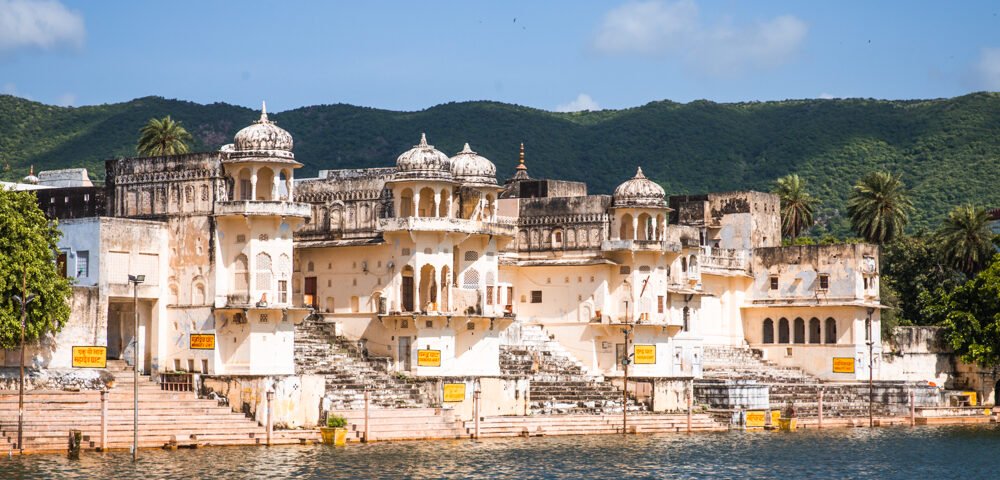
Exploring Rajasthan requires a balance between grand regal heritage and serene spiritual traditions. Having navigated the transit routes, seasonal crowds, and architectural wonders of the desert state for decades, our team at Rajasthan Yatra curates this field-tested itinerary. Combining the vibrant capital of Jaipur with the tranquil, sacred town of Pushkar offers the quintessential Rajasthani travel circuit.
Understanding the Route and Practical Logistics
The transit corridor between Jaipur and Pushkar spans approximately 145 kilometers via National Highway 48. Under standard road conditions, the drive takes about three hours by private cab or tempo traveler. Planning this route requires an early departure to bypass commuter congestion around the Jaipur bypass and Ajmer bypass.
For travelers who value local insights and seamless transit, partnering with a licensed tour operator in Rajasthan eliminates common logistical bottlenecks, such as negotiating regional toll points, finding authorized parking near old-city monuments, and hiring verified heritage guides certified by the Ministry of Tourism.
Day 1: Exploring the Heritage of Jaipur
Jaipur, founded in 1727 by Maharaja Sawai Jai Singh II, reflects ancient Indian Vastu Shastra blended with Mughal symmetry. A comprehensive exploration demands structured pacing across both the Aravalli hills and the walled Pink City.
For travelers operating on a compact schedule, booking an organized Jaipur full day tour ensures priority access to ticket counters and private transfers between the widely spaced hill forts and inner-city bazaars.
Amber Fort and Jaigarh Fort
Begin your morning at 8:00 AM at Amber Fort before foot traffic peaks. Constructing this fortress involved yellow and pink sandstone overlooking Maota Lake. Inside, inspect the Sheesh Mahal, where thousands of convex mirrors illuminate the hall using minimal light sources. Take the subterranean tunnel or drive up to Jaigarh Fort to view the Jaivana Cannon, which was once the world’s largest wheeled cannon.
City Palace and Jantar Mantar
Head toward the core of the old city by midday. The City Palace complex houses operational royal residences alongside museums exhibiting vintage weaponry, ceremonial costumes, and rare manuscripts. Directly adjacent stands Jantar Mantar, a UNESCO World Heritage site housing nineteen architectural astronomical instruments. The Vrihat Samrat Yantra sundial remains accurate to within two seconds, demonstrating remarkable 18th-century geometric precision.
Hawa Mahal and Jal Mahal
Stop for exterior photography at Hawa Mahal, the Palace of Winds, built with 953 jharokhas to allow royal women to observe street festivities without being seen. Conclude the afternoon along the banks of Man Sagar Lake to view Jal Mahal, a five-story palace built in red sandstone, four floors of which remain submerged when the lake is full.
Day 2: Transit to the Sacred Town of Pushkar
Pushkar presents a sharp, refreshing contrast to the bustling avenues of Jaipur. Nestled beside the Thar Desert and cradled by the Nag Pahar hills, this sacred settlement revolves around a holy lake and an ancient spiritual culture.
Opting for an integrated Jaipur city tour with Pushkar simplifies this intercity transit, providing travelers with a dedicated chauffeur and seamless coordination between the capital’s royal monuments and Pushkar’s sacred pilgrimage sites.
Brahma Temple
Pushkar is home to one of the very few operational temples dedicated to Lord Brahma anywhere in the world. Built in the 14th century over an older 8th-century structure, the temple features a distinctive red spire, a marble gateway, and a silver coin-inlaid floor. Visitors must deposit all leather items, mobile phones, and cameras at the designated footwear counters before entering the inner sanctum.
Pushkar Lake and Sacred Ghats
Pushkar Lake features fifty-two ghats, each holding regional and historical significance. Varaha Ghat and Brahma Ghat see continuous ritual bathing by pilgrims seeking spiritual cleansing. To respect community norms, remove your footwear at least thirty feet away from the water steps, decline unsolicited religious threads or offerings from unofficial individuals along the stairs, and avoid photographing individuals bathing.
Savitri Devi Temple Hike
For an elevated perspective of the surrounding desert expanse and the town’s white-washed architecture, embark on the ascent to Savitri Devi Temple atop Ratnagiri Hill. The trail consists of approximately 950 masonry steps, taking around forty-five minutes to climb. Alternatively, a modern ropeway cable car reaches the summit in under six minutes. Timing your visit for sunset provides unobstructed views of the desert horizon.
Practical Travel Tips and Cultural Etiquette
- Optimal visiting season extends from October to March when daytime temperatures remain between 18°C and 26°C.
- Avoid the midday desert heat during summer months, as stone walkways around temples and fort courtyards become excessively hot.
- Modest attire covering shoulders and knees is mandatory across all religious sites in Pushkar and Jaipur.
- Maintain cash in smaller denominations for shoe-keeping counters, local street delicacies, and handicraft bazaars.
- Verify local auto-rickshaw fares or rely on prepaid counters when stepping outside designated vehicle pickup zones.