
Jaisalmer in Winter: Desert Magic or Overrated Hype?

Key Factors for Picking the Ideal Gandhinagar Corporate Venue
October 24, 2026
Planning Vaishno Devi Darshan From Katra: Route and Yatra Tips
October 26, 2026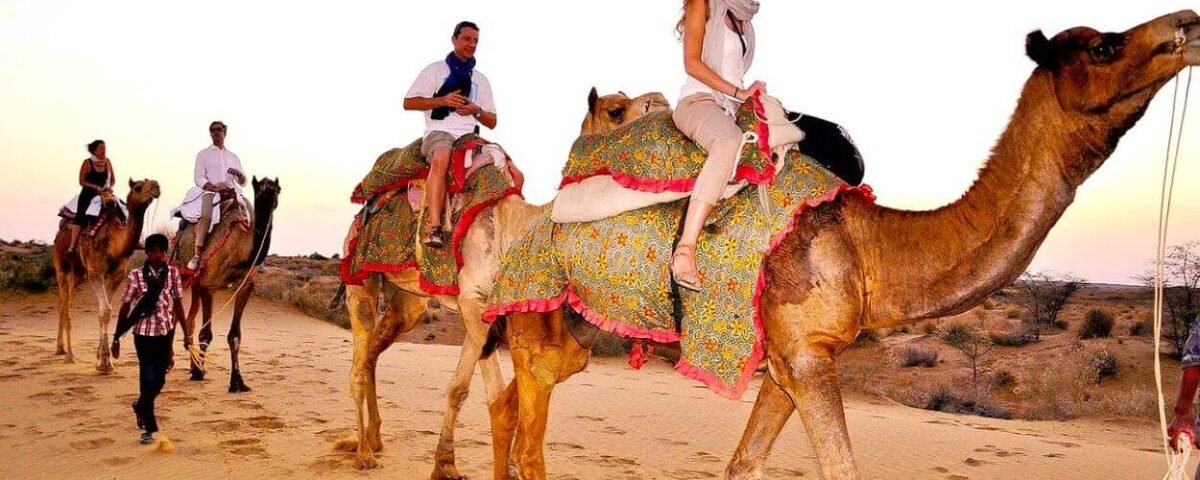
Every winter, as temperatures drop across North India, the golden sandstone bastions of Jaisalmer witness a sudden influx of travelers seeking sun-drenched dunes and royal heritage. Social media feeds flood with staged photographs of sunrises over rolling sand, romantic candlelight dinners under starlit skies, and dramatic fortress ramparts. Yet beneath the curated imagery lies a recurring question among seasoned travelers: is Jaisalmer in winter truly an unmissable desert miracle, or has commercialization turned it into an overcrowded spectacle? Drawing from years on the ground navigating the Thar Desert, the reality is nuanced. Jaisalmer delivers genuine wonder, but only if you understand how to navigate its seasonal rhythms.
The Reality of Winter in the Thar Desert
Winter transforms the Thar Desert from an unforgiving furnace into a hospitable landscape. Between November and February, daytime temperatures hover comfortably between 20°C and 25°C, making walking explorations through heritage corridors pleasurable rather than exhausting. However, visitors often underestimate desert nights. As the dry sand rapidly radiates heat back into the atmosphere, midnight temperatures can plummet to 5°C or lower.
Those expecting tropical warmth find themselves bundling into woolen shawls and gathering around wood fires. The crisp desert air clears away the seasonal haze common in northern cities, offering unhindered vistas of vast horizons during the day and peerless stargazing after dusk. This sharp contrast between temperate afternoons and biting nights is an intrinsic part of the desert’s geography, not a flaw in the experience.
Unraveling the Golden Fort: Living Relic vs. Commercial Strain
Sonar Qila, or Jaisalmer Fort, stands apart from virtually every other medieval fortification in India because it remains inhabited. Roughly a quarter of the old city’s population still resides within its ramparts. Wandering through its narrow alleys reveals ornate balconies, historic Jain temples carved with mathematical precision, and sweeping views of the desert flatlands below.
However, unchecked tourism has placed immense physical pressure on this 12th-century marvel. Drainage systems designed centuries ago struggle with modern plumbing demands, leading to structural vulnerabilities in the foundation. Furthermore, commercial storefronts selling souvenirs can sometimes dilute the historical reverence of the monument. Appreciating the fort requires conscious exploration: hiring certified local historians who understand its architectural heritage, visiting during quiet morning hours before tour buses arrive, and respecting the domestic routines of families who have called these ramparts home for generations. Travelers looking for deep historical immersion often pair this visit with an authentic Rajasthan heritage tour to appreciate the architectural evolution from Jaisalmer’s carved stone jalis to the grand marble palaces of neighboring kingdoms.
Dunes and Decibels: The Sam Sand Dunes Dilemma
The most polarizing aspect of a Jaisalmer winter journey centers around the sand dunes, specifically Sam Sand Dunes. Located roughly forty kilometers from the city, Sam has become the epicenter of desert tourism. For travelers seeking silence and raw wilderness, arriving at Sam in December can be jarring. Dozens of desert resorts sit adjacent to one another, competing with loud music, generator noise, and convoys of four-wheel-drive vehicles ferrying tourists over the crests.
The hype around Sam is often overblown because mass tourism has stripped away the very tranquility that makes a desert compelling. To experience true desert stillness, one must seek alternative stretches of sand, such as Khuri or the quieter margins near the Desert National Park. In these protected sectors, indigenous flora and fauna thrive, including the critically endangered Great Indian Bustard, chinkaras, and desert foxes. Engaging in a thoughtful Rajasthan desert adventure tour allows adventure seekers to partake in dune bashing and traditional camel safaris while maintaining a respectful distance from overly commercialized hubs.
Cultural Authenticity and Culinary Heritage
Winter in Jaisalmer brings traditional performing arts and regional gastronomy to life. Communities of Manganiyar and Langa musicians perform complex ragas passed down orally across centuries, playing indigenous instruments like the kamaicha and khartal. Hearing these melodies echo across the sand dunes around a low fire provides a cultural immersion that no modern stage show can replicate.
Culinary traditions in Jaisalmer reflect the harsh geography of the Thar. Winter menus feature nutrient-dense, warming dishes crafted without excess water:
- Ker sangri, a classic preparation of wild desert beans and capers cooked in mustard oil and regional spices.
- Bajre ki roti paired with fresh churned white butter and fiery garlic chutney.
- Dal baati churma, baked wheat balls soaked in ghee and served alongside spiced lentils.
- Gatte ki subzi, steamed gram flour dumplings simmered in a tangy yogurt gravy.
Practical Recommendations for Winter Travel
To ensure your journey exceeds expectations and avoids tourist traps, deliberate planning is essential. Securing accommodations well in advance is crucial, as the small city fills to capacity during December holidays and the annual Desert Festival.
Selecting a knowledgeable, licensed tour operator in Rajasthan makes the difference between an overcrowded tour and an authentic desert encounter. Reliable planners coordinate early-morning access to monuments, arrange eco-conscious camps away from heavy noise pollution, and ensure transport logistics handle the vast distances safely.
Jaisalmer in winter is far from overrated hype. While commercialization has crowded specific tourist pockets, the core essence of the Golden City—its living medieval architecture, warm desert hospitality, and silent starry nights—remains genuinely magical for those who travel with intentionality.