

Planning Vaishno Devi Darshan From Katra: Route and Yatra Tips

Jaisalmer in Winter: Desert Magic or Overrated Hype?
October 26, 2026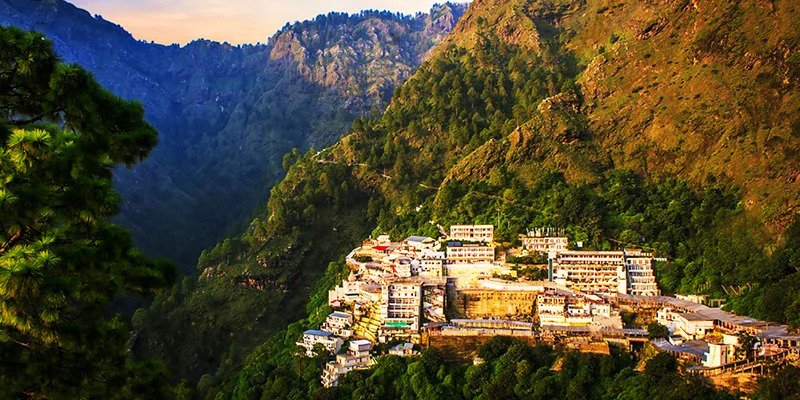
The holy pilgrimage to the holy shrine of Shri Mata Vaishno Devi Ji, situated in the Trikuta Mountains of Jammu and Kashmir, stands as one of the most spiritually significant yatras in India. Millions of devotees undertake this sacred journey annually to seek blessings at the sanctum sanctorum. Thorough planning and practical knowledge ensure a peaceful, safe, and spiritually fulfilling experience for pilgrims of all ages.
Understanding the Starting Point: Katra
Katra serves as the base camp for the entire pilgrimage. Situated approximately 45 kilometers from Jammu city, this bustling town provides extensive hospitality infrastructure, cloakrooms, guest houses, and registration counters. Every yatra begins at Katra, where pilgrims complete their mandatory formalities before ascending the mountain. Devotees who wish to streamline their travel arrangements across the state often choose a reputable travel agency in Kashmir to coordinate logistics, transfers, and accommodations seamlessly.
Registration and RFID Yatra Access Card
Before embarking on the trek, every pilgrim must obtain an RFID-based Yatra Registration Card. Registration counters operate at Katra Railway Station, the Bus Stand, and the Yatra Registration Centre near the main bazaar. The RFID card is mandatory for crossing the initial check-post at Banganga and must be kept accessible throughout the entire journey. Pilgrims can also pre-register online through the official Shri Mata Vaishno Devi Shrine Board portal to save waiting time upon arrival.
Exploring the Trekking Routes from Katra to Bhawan
The distance from the Katra base camp to the Bhawan is roughly 12 to 14 kilometers, depending on the specific walking path chosen. Pilgrims navigate through well-maintained paths that feature security checkpoints, medical units, refreshment stands, and drinking water outlets.
The Traditional Route via Adhkuwari
The historic path begins at Banganga and proceeds upward toward Charan Paduka, a revered sacred spot located roughly 1.5 kilometers into the trek. Continuing forward for another 4.5 kilometers brings pilgrims to Adhkuwari, the midway milestone. Adhkuwari houses the ancient Garbhjun Cave, where the Goddess is believed to have meditated for nine months. Because entry into this narrow cave involves token systems and extended wait times, pilgrims often collect their tokens early before proceeding. From Adhkuwari, the traditional path continues toward Sanjichhat before descending gently toward the Holy Bhawan.
The Tarakote Marg Alternative
For travelers seeking a smoother and less congested incline, the Shrine Board introduced the Tarakote Marg. This newer route branches off near Katra and bypasses the steep steps and pony traffic found along the older path. It features a cleaner environment, gentler slopes, motorized battery cart lanes, and modern covered walkways. Devotees with small children or those traveling with seniors find this route particularly convenient.
Modes of Ascent and Pilgrim Assistance
Devotees can complete the yatra on foot or utilize authorized support services provided along the trail.
- Walking: Thousands choose to walk the entire path barefoot or in comfortable trekking shoes, reciting bhajans along the covered sheds.
- Ponies and Palkis: Authorized rate-regulated mules and palkis are available at designated stands along Banganga and Adhkuwari for those facing physical limitations.
- Battery-Operated Carts: Eco-friendly battery vehicles operate between Adhkuwari and the Bhawan exclusively for elderly, differently-abled, and medically assisted pilgrims.
- Helicopter Services: Regular helicopter flights operate from the Katra Helipad to Sanjichhat, covering the major elevation in approximately eight minutes. From Sanjichhat, Bhawan lies roughly 2.5 kilometers away on foot or by horse.
To ensure comprehensive itineraries covering airport pickups, helicopter reservations, and comfortable lodging, travelers often book a curated Vaishnodevi tour package designed to handle local permissions and schedules.
Completing the Darshan: Bhawan and Bhairon Ghati
Upon reaching the Bhawan complex, pilgrims deposit their leather goods, belts, electronic devices, mobile phones, and footwear inside designated complimentary locker counters. After bathing in the clean bathing ghats, devotees join the designated queues leading into the Holy Cave to witness the sacred Pindis, which represent Maha Kali, Maha Lakshmi, and Maha Saraswati.
According to long-standing pilgrimage lore, the yatra remains incomplete without visiting the shrine of Baba Bhairon Nath, situated at a higher altitude above the Bhawan. A modern ropeway passenger cable car connects the Bhawan directly to Bhairon Ghati within five minutes, saving devotees the strenuous uphill climb of two kilometers.
Essential Yatra Guidelines and Safety Measures
Preparation plays an essential role in navigating the varying temperatures and elevation gains encountered between Katra and Bhawan.
- Weather-Appropriate Clothing: Temperatures drop significantly at night, especially near Bhawan and Sanjichhat. Carrying light woolens during the summer months and thermal layers during winter is necessary.
- Footwear Selection: Sturdy, slip-resistant walking shoes with adequate arch support help prevent blisters and muscle fatigue during long descents.
- Health and Hydration: Drink treated water from the free water filtration stations stationed throughout the route. Avoid heavy meals prior to steep climbs, relying instead on light fruits and beverages.
- Documentation: Keep original government identification cards accessible alongside the issued RFID yatra card at all times.
Pilgrims wishing to combine their spiritual journey with visits to nearby destinations such as Patnitop, Mansar Lake, or Shiv Khori often explore a structured Jammu katra packages tour to ensure smooth transportation throughout the wider Jammu region. With proper preparation, respect for the natural terrain, and adherence to Shrine Board directives, your pilgrimage will be both memorable and spiritually enriching.