

How to Spend 3 Days in Jaisalmer: Full Itinerary

Natural vs. Exotic Stone: Guide to Uses & Differences
November 11, 2026
Why Choosing a Jungle Resort in Ranthambore Elevates Your Trip
November 12, 2026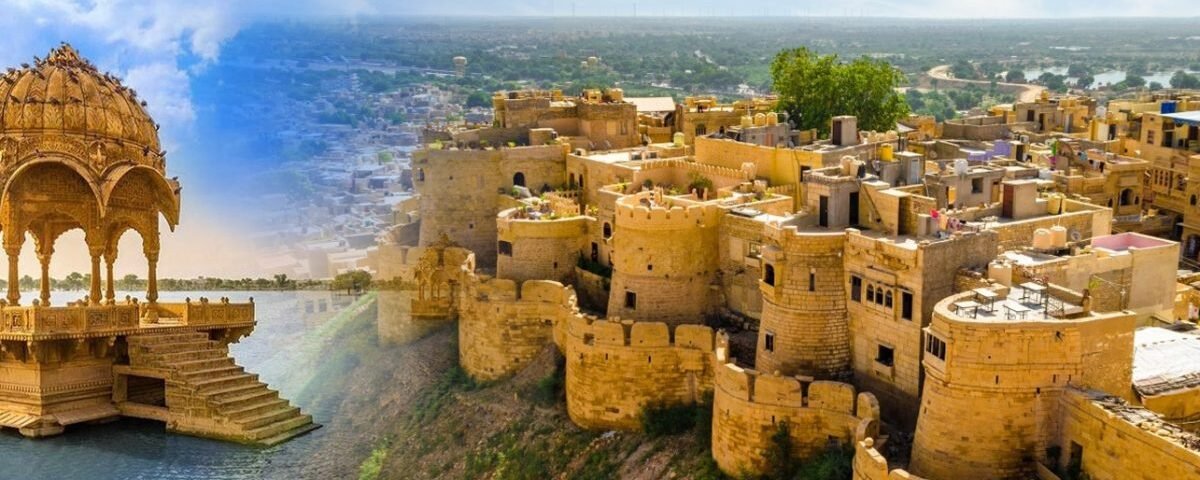
Planning an immersive journey into the golden heart of Rajasthan requires a balance between architectural exploration and true desert tranquility. Having navigated the winding sandstone alleys of the living fort, mapped the surrounding oasis ruins, and spent seasons observing the rhythms of the Thar Desert, our team at Magra desert camp has refined the definitive three-day route. This itinerary brings together heritage discovery, desert culture, and authentic hospitality while avoiding tourist congestion.
Day 1: Heritage and Living History Inside the Golden Fort
Your journey begins inside the walls of Jaisalmer Fort, locally known as Sonar Qila. Built in 1156 AD by Rawal Jaisal, it remains one of the few functional living forts in the world, home to roughly one-fourth of the old city’s population.
Start early around 8:00 AM at the first fortification gate, Akhai Pol, to explore before tour groups arrive. Walk through the inner courtyard toward the Raj Mahal, the former palace of the Maharawals, where seven distinct tiers of balconies showcase Jali latticework carved from local yellow sandstone. From the cannon ramparts at Canon Point, you gain a panoramic vista over the sprawling sandstone town below.
Descend into the residential quarter to visit the cluster of seven interconnected Jain Temples constructed between the 12th and 15th centuries. Dedicated to Tirthankaras like Parshvanatha and Sambhavanatha, these sanctuaries feature intricate marble and sandstone carvings depicting celestial dancers and spiritual motifs. The cool interior stone and quiet halls provide a contemplative contrast to the vibrant bazaars outside.
By mid-afternoon, step outside the fort perimeter to explore Patwon Ki Haveli, a cluster of five historic residences built by a wealthy merchant family across a span of fifty years. The facade boasts dozens of distinct jharokhas that allowed breezes to circulate during harsh summer afternoons. End the day at Gadisar Lake, an artificial reservoir constructed in the 14th century, to watch migratory birds settle as dusk turns the sandstone chattris to molten amber.
Day 2: Journey into the Thar Dunes and Desert Hospitality
Devote your second day to transitioning from urban history to the raw expanse of the Thar. After breakfast, visit the historic village of Kuldhara, abandoned abruptly in the early 19th century by the Paliwal Brahmins, leaving behind stone foundations and a grid plan that reveals advanced water harvesting systems of the era.
Continue westward toward the rolling sandscapes. When arranging your stay, selecting a reputable desert camp in Jaisalmer ensures both responsible ecological practices and genuine cultural immersion. Arriving at Magra desert camp in the afternoon allows you to settle into comfort before the desert heat softens.
For accommodations that combine rustic ambiance with practical amenities such as attached en-suite washrooms, plush bedding, and woven rugs, staying in Swiss tents in Jaisalmer delivers the ideal blend of desert romance and contemporary rest.
As shadows lengthen across the crests, embark on a camel trek or a low-impact dune drive to witness the sunset over the horizon. The desert transitions from blazing ochre to dusty lavender within minutes. Back at camp, the evening unfolds around an open courtyard with folk musicians playing the ravanahatha and dholak, accompanied by Kalbelia dancers performing centuries-old desert traditions. Dinner highlights regional staples like ker sangri, bajra roti, and dal baati churma prepared with local cold-pressed oils and desert spices.
Later in the night, as lanterns dim across the sands, step out into the uninterrupted darkness. Minimal light pollution makes stargazing in Jaisalmer a transformative encounter, revealing clear constellations, the sweep of the Milky Way, and regular satellite passes across an immense cosmic dome.
Day 3: Cenotaphs, Desert Artisans, and Farewell Vistas
Greet the dawn with a silent walk across the dunes to observe desert wildlife, including chinkaras, desert foxes, and larks stirring in the morning breeze. Following a wholesome breakfast featuring masala chai and hot local parathas, begin the return journey toward the city perimeter.
Make your first stop at Bada Bagh, situated six kilometers north of Jaisalmer. This tranquil enclave contains royal cenotaphs, known as chattris, erected in tribute to the Bhatti dynasty rulers starting in the 16th century. Each cenotaph features a carved ceiling and commemorative stone tablet, with the elevated location capturing morning breezes and offering stark views over desert scrub and distant wind turbines.
Spend your final afternoon perusing the old town’s artisan markets around Manak Chowk and Bhatia Bazaar. Desert artisans specialize in vegetable-dyed block prints, camel leather goods, and hand-woven camel wool carpets. Purchasing directly from local weaving cooperatives supports sustainable community craftsmanship.
Conclude your three-day journey with a quiet evening tea on a rooftop terrace overlooking the illuminated fort walls, watching the desert wind sweep softly across centuries of living heritage.