

Ahmedabad and Gandhinagar Sightseeing Tour: Must-See Stops

Udaipur to Mount Abu Sightseeing Tour: A Complete Guide
July 16, 2026
SkinTyte Deep Dive: How It Works, Benefits, and What to Expect
July 16, 2026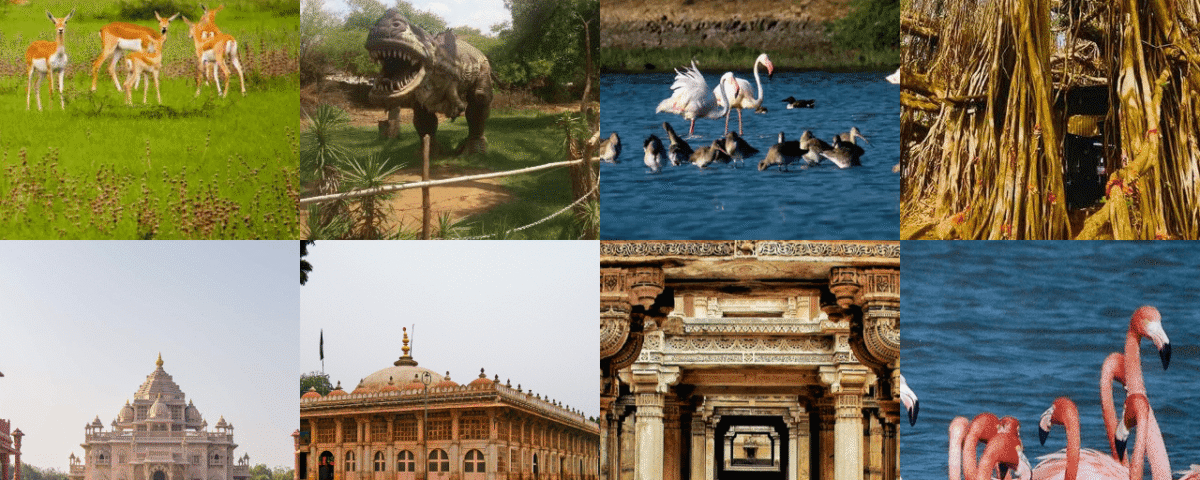
Exploring the twin cities of Gujarat offers a fascinating journey through centuries of architectural brilliance, deep-rooted spiritual traditions, and pivotal historical milestones. While one city thrives as a UNESCO World Heritage urban center with buzzing lanes, the other serves as a systematically planned, tree-lined administrative capital. Navigating a full day of historical exploration requires an optimized travel route. For travelers seeking an executive stay, booking a centrally situated busniess hotel in Ahmedabad ensures smooth connectivity to both destinations. This curation highlights the vital heritage sites and modern landmarks you should include in your itinerary.
Historic Landmarks of the Sabarmati Region
A comprehensive sightseeing route is best initiated along the tranquil western banks of the Sabarmati River. The Sabarmati Ashram serves as a profound introduction to the region’s historical landscape. Operating as the central headquarters for India’s freedom movement between 1917 and 1930, the ashram preserves the preserved living quarters of Mahatma Gandhi, known as Hridaya Kunj. Visitors can observe his personal spinning wheels, historic photographs, and original correspondence detailing the philosophy of non-violence. The serene open grounds provide a stark, contemplative contrast to the vibrant energy of the surrounding commercial districts.
Moving slightly southward along Ashram Road brings you to the globally recognized Sidi Saiyyed Mosque. Built in the late 15th century during the final years of the Gujarat Sultanate, this stone structure is celebrated for its ten semi-circular arch windows filled with ornate stone lattice work. The most famous panel, depicting the intertwined “Tree of Life,” showcases the unparalleled skill of medieval Gujarati artisans and remains an unofficial emblem of the city’s architectural identity.
Subterranean Wonders and Capital Heritage
Progressing north toward the state capital of Gandhinagar, the Adalaj Stepwell stands as an essential architectural junction. Constructed in 1498 by Queen Rudabai, this five-story deep subterranean reservoir highlights the sophisticated hydraulic engineering of the era. The stepwell is carved entirely from sandstone and features intricate carvings that blend Hindu motifs with Islamic architectural geometry. Designed to provide respite for travelers and collect vital rainwater, the temperature inside the lower levels remains notably cooler than the surface, offering a unique spatial experience.
Upon entering the wide boulevards of Gandhinagar, the Dandi Kutir Museum presents a starkly modern architectural form. Shaped precisely like a massive mound of salt, this structure is the world’s largest museum dedicated exclusively to the life of Mahatma Gandhi. The interior spans multiple levels and utilizes advanced digital technologies, including 3D mapping, audio-guided tours, and immersive holograms, to trace the narrative of the historic Dandi Salt March.
Contemporary Spiritual Scale and Urban Riverfronts
The definitive highlight of the capital portion of the tour is the expansive BAPS Akshardham Temple complex. Built using more than 6,000 tons of pink sandstone, this monumental temple is an architectural marvel dedicated to Swaminarayan. The primary shrine features hundreds of hand-carved pillars, ornate domes, and sculpted figures depicting traditional Indian wisdom. Visitors can easily spend several hours exploring the vast landscaped gardens, historical exhibitions, and the evening musical fountain show that uses light and water to narrate traditional fables.
Returning south as the sun sets, the modern face of the twin cities is best experienced at the Sabarmati Riverfront and the adjoining Atal Pedestrian Bridge. This architectural walking bridge, featuring a distinct geometric design and dynamic LED illumination, spans across the river to connect the old and new sectors of the city. Walking across the bridge offers expansive, panoramic views of the illuminated skyline, providing a relaxed conclusion to a demanding day of sightseeing.
Strategic Travel Planning and Accommodation
Executing a complex multi-city itinerary requires clear logistical positioning to avoid unnecessary transit delays. Selecting a base with direct access to major thoroughfares like Ashram Road allows you to bypass central traffic bottlenecks while remaining minutes away from heritage sites. Travelers prioritizing premium amenities, dedicated travel desks, and sophisticated business spaces can find tailored hospitality at the best hotel Ahmedabad has to offer. Ensuring your lodging features robust regional dining options, like authentic multi-cuisine restaurants, allows you to recharge comfortably after navigating the rich historical expanses of Gujarat.