

Air Hostess Course Guide: Training and Requirements

The Ultimate Travel Guide: How to Plan the Perfect Udaipur to Chittorgarh Tour
July 11, 2026
Rajasthan in the Rain: Best Monsoon Places to Visit
July 13, 2026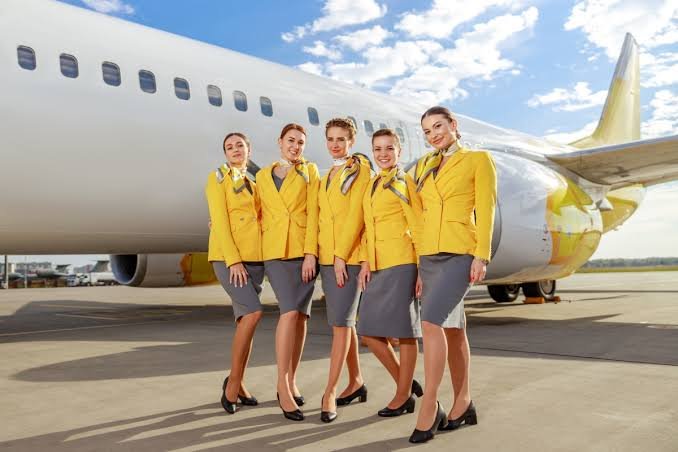
The aviation industry offers a dynamic career path filled with global travel, professional growth, and the opportunity to meet diverse people from all walks of life. Becoming a cabin crew member requires a specific set of skills, personal attributes, and rigorous training. This guide outlines the essential requirements, criteria, and instructional pathways needed to successfully enter this field.
Key Requirements for Cabin Crew Aspirants
Aviation academies and airlines maintain strict selection criteria to ensure that cabin crew members can perform their duties effectively, especially during emergencies. The core entry prerequisites span educational background, physical standards, and age limits.
Educational Qualifications
The foundational qualification required to apply for a cabin crew training program is the completion of higher secondary education (10+2) from a recognized board. While a university degree is not mandatory, pursuing a hospitality background can significantly improve career prospects. Students opting for a professional hotel management college in Udaipur often develop parallel interpersonal capabilities, guest handling techniques, and service standards that make them highly competitive candidates during airline recruitment drives.
Age and Physical Criteria
Airlines have specific physical metrics to ensure safety and operational compliance onboard an aircraft.
- Age Limit: Most domestic and international airlines recruit candidates between the ages of 18 and 26 years.
- Height Requirements: The standard minimum height for female candidates is generally 155 cm, while for male candidates, it is 170 cm. The underlying rule is the ability to reach safety equipment housed in overhead bins easily.
- Visual Acuity: Perfect or correctable vision (with contact lenses) is standard across the industry.
- Fitness and Health: Candidates must possess a healthy Body Mass Index (BMI) and be free from major chronic medical conditions to pass rigorous airline medical examinations.
Communication and Grooming Standards
Clear, confident communication is non-negotiable in aviation. Mastery of spoken English alongside proficiency in a local or foreign language provides a substantial advantage. Additionally, cabin crew members represent the face of the airline, meaning immaculate grooming, neat attire, clean skin without visible tattoos or piercings, and a professional posture are constantly evaluated.
Core Modules Covered in Flight Attendant Training
Once chosen or enrolled in a specialized vocational curriculum, students undergo extensive theoretical and practical training designed to meet global civil aviation benchmarks. Enrolling in a comprehensive air hostess course in Udaipur ensures that candidates master these practical modules before attending complex airline selection procedures.
Safety and Emergency Procedures
Safety is the absolute priority for any flight crew. Training modules cover emergency evacuation procedures, operation of aircraft doors, deployment of slide rafts, and handling of decompression scenarios. Crew members are thoroughly trained to manage passenger evacuation under 90 seconds in hypothetical crash scenarios.
First Aid and Medical Care
Flight attendants act as first responders during medical emergencies in mid-air. Training programs include comprehensive standard first-aid modules, Cardiopulmonary Resuscitation (CPR) certification, management of sudden medical issues like asthma attacks, childbirth, or cardiac events, and the usage of onboard medical equipment.
In-Flight Service and Hospitality
Delivering a premium passenger experience is vital for airline loyalty. Trainees learn the art of food and beverage service, galley management, conflict resolution, and handling difficult passengers with utmost politeness. They understand the nuances of cross-cultural communication to cater to international travelers seamlessly.
Enhancing Employability in the Aviation Sector
Securing a position as a flight attendant involves facing highly competitive multi-stage interview processes, including group discussions, grooming checks, and technical panels. Completing structured pre-aviation training simplifies this transition.
Personality Development and Confidence Building
Technical knowledge must be backed by a resilient personality. Leading vocational institutes emphasize self-confidence, stress management, and public speaking. Mock interview sessions prepare aspirants to handle high-pressure panels with grace.
Placement Support and Global Exposure
Choosing a training partner that provides continuous placement assistance and exposure to current global hospitality standards helps students secure interviews with domestic and international carrier brands. Hands-on practical assignments ensure that trainees are industry-ready from day one.