
Best Jaisalmer Sightseeing Itinerary: Complete Travel Guide

Top Jaisalmer Sightseeing Itinerary: Forts, Dunes & More
November 26, 2026
Explore Jaipur With Pushkar: Top Spots and Tips
November 26, 2026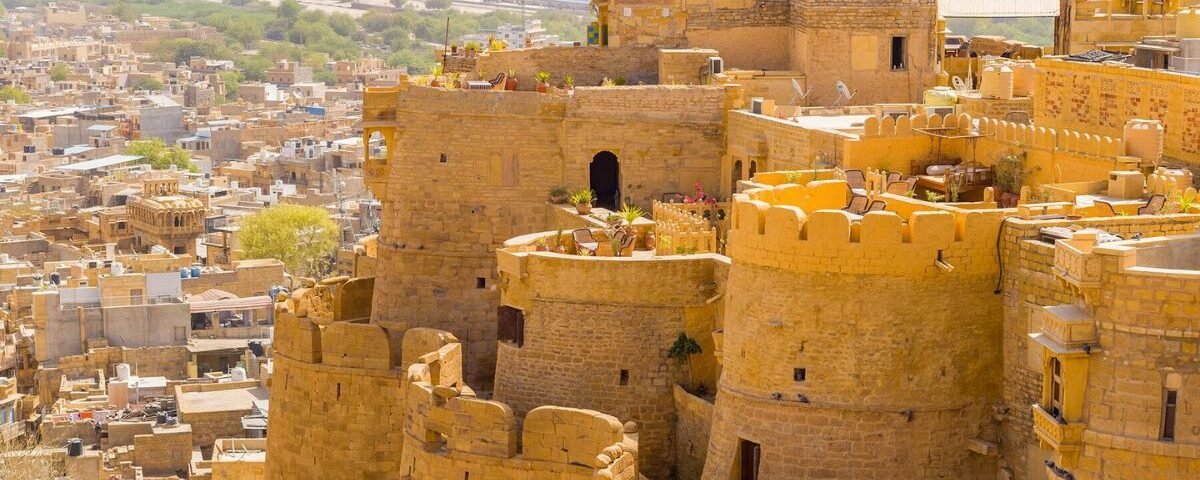
Planning a trip to the Golden City requires balancing historic architecture inside the walled town with the vast silence of the Thar Desert. Based on real ground logistics, seasonal weather patterns, and local travel distances across Jaisalmer, a well-paced two-to-three-day schedule prevents exhaustion while covering every major landmark. Whether you are visiting between October and March for pleasant daytime temperatures or exploring during quieter shoulder months, following a structured route helps you avoid midday heat and peak crowd bottlenecks.
Day 1: Exploring the Living Fort and Historic Havelis
Morning at Jaisalmer Fort (Sonar Qila)
Begin your first morning at 9:00 AM at Jaisalmer Fort, one of the few living forts in the world where thousands of residents still live, run shops, and maintain ancestral homes within the yellow sandstone ramparts. Arriving right when the Palace Museum opens allows you to admire the intricate Rajput architecture, Jain temples, and cannon viewpoints before tour groups fill the narrow cobblestone lanes. Carry cash for entry tickets to the palace museum and hire a licensed guide at the main gate to understand the history of Bhati Rajput rulers without getting distracted by unofficial street touts.
Afternoon Walk Through Patwon Ki Haveli and Salim Singh Ki Haveli
After lunch near the fort, walk down to Patwon Ki Haveli, a cluster of five interconnected mansions built in the nineteenth century by wealthy brocade merchants. Notice the honey-colored stone latticework, carved balconies, and preserved wall paintings that showcase traditional Rajasthani craftsmanship. A short walk away stands Salim Singh Ki Haveli, recognizable by its distinctive peacock-shaped roof and cantilevered upper chambers. Spend your late afternoon browsing Sadar Bazaar and Bhatia Bazaar for mirror-work textiles, leather goods, and authentic silver jewelry while sampling local snacks like hot kachoris and ker sangri.
Sunset Boat Ride at Gadisar Lake
Wrap up Day 1 at Gadisar Lake, a fourteenth-century rainwater reservoir originally built to supply water to the arid city. Arrive forty-five minutes before sunset to rent a rowboat or pedal boat and glide past carved sandstone chhatris and shrines. As the sun dips below the horizon, the fort walls reflect golden hues across the calm water, creating the finest photography conditions in the city.
Day 2: Haunted Villages and the Thar Desert Experience
Morning Excursion to Kuldhara Abandoned Village
On your second day, check out of your city hotel after breakfast and drive roughly eighteen kilometers southwest toward Kuldhara. Once inhabited by Paliwal Brahmins, this abandoned settlement features rows of roofless stone houses and an ancient stepwell that offer insight into rural desert architecture and regional folklore. Visiting before 11:00 AM keeps you ahead of the afternoon glare and gives you time to stop by Khaba Fort nearby.
Afternoon Arrival at Sam Sand Dunes
Continue west toward Kanoi and the rolling dunes, located about forty kilometers from Jaisalmer city. Choosing an established desert camp in sam sand duens gives you immediate access to the open sand ridges without long transit delays. After checking in during the afternoon, settle into a spacious swiss tent in Jaisalmer designed with insulated canvas walls, attached modern bathrooms, and private sit-out areas that keep you comfortable against sharp desert temperature drops. At Magra Desert Camp, our on-site hospitality team coordinates afternoon tea and prepares your evening safari schedule right from the camp entrance.
Sunset Camel Safari and Evening Cultural Performances
Around 4:30 PM, head onto the dunes via camel safari or four-by-four jeep to reach secluded sunset viewpoints. Watching the wind-carved sand ridges shift from bright gold to deep amber is the highlight of any Thar Desert journey. Once darkness settles, gather back at the camp courtyard for live Kalbeliya folk dances, Manganiyar musicians, and a warm bonfire night on dunes in Jaisalmer followed by a freshly prepared dinner featuring dal baati churma and traditional Marwari dishes.
Day 3: Desert Sunrise, Longewala Border, and Departure
Sunrise Stroll and Camp Breakfast
Wake up before dawn on your final day to walk along the cool, untouched sand ridges while the desert sky turns pale pink. Return to Magra Desert Camp for a hot breakfast before checking out by 10:00 AM.
Optional Visit to Tanot Mata Temple and Longewala War Memorial
If your onward train or flight departs in the evening, dedicate your final hours to a road trip toward Tanot Mata Temple and the Longewala War Memorial near the Indo-Pak border. Both sites are maintained by Indian defense forces and provide well-documented historical exhibits from the 1971 conflict.
Essential Travel Tips for First-Time Visitors
- Best Time to Visit: Plan your trip between October and March when daytime weather remains mild and desert nights are crisp and clear for stargazing.
- What to Pack: Carry high-SPF sunscreen, UV-protective sunglasses, closed-toe walking shoes for hot sand, a reusable water bottle, and a warm jacket for late-evening desert breezes.
- Booking Verification: Always confirm safari timings, meal inclusions, and camp location in Kanoi directly with your hospitality provider before arrival to avoid hidden third-party agent charges.