
A Complete Guide to the Golden Triangle Tour in India

Common Facial Injuries: When to Seek Medical Help Immediately
April 23, 2026
Savor the Night: A Scenic Dining Experience in Udaipur
April 24, 2026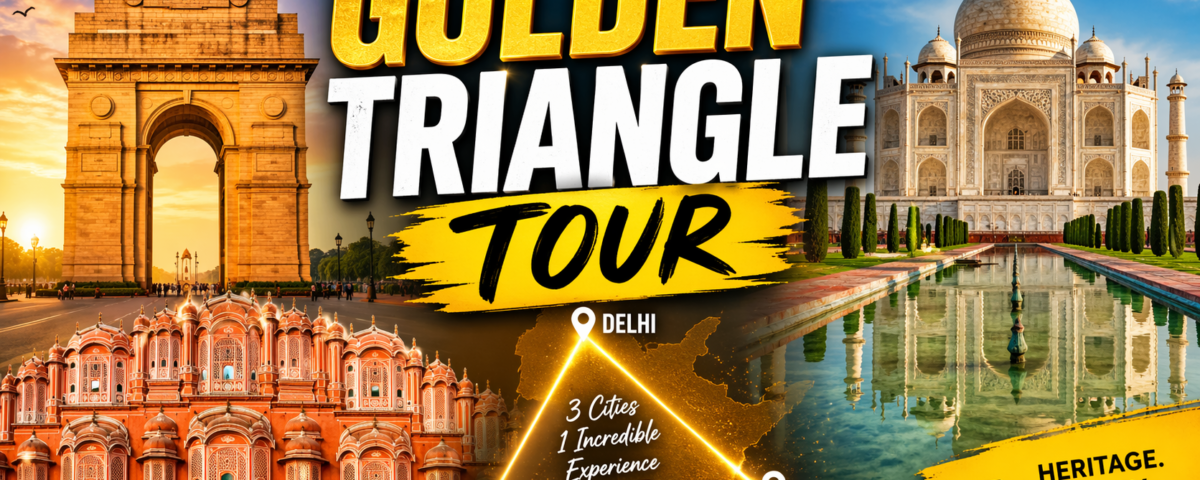
The Golden Triangle is arguably India’s most famous tourist circuit, forming a roughly equilateral triangle on the map between Delhi, Agra, and Jaipur. This route offers a condensed yet breathtaking introduction to the country’s diverse history, showcasing everything from the chaotic charm of Old Delhi and the Mughal majesty of the Taj Mahal to the royal Rajput heritage of the Pink City. For first-time visitors, it serves as an ideal gateway, providing a structured way to experience the sensory explosion that is India.
Most travelers begin their journey in the capital, move south to the state of Uttar Pradesh to see the world’s most famous monument to love, and then head west into the desert landscapes of Rajasthan. The circuit covers approximately 720 kilometers and is typically completed in five to seven days. To ensure a seamless experience, many travelers choose to book official golden triangle tour packages which handle the logistics of transport, accommodation, and guided sightseeing across these three distinct regions.
Exploring the Historical Depth of Delhi
Delhi is a city of layers, where 12th-century ruins sit comfortably alongside modern glass skyscrapers. A comprehensive tour usually begins in Old Delhi, the former capital of the Mughal Empire. Here, the Red Fort stands as a symbol of imperial power, while the nearby Jama Masjid—one of the largest mosques in India—offers a glimpse into the city’s spiritual heart. A rickshaw ride through the narrow, spice-scented lanes of Chandni Chowk is an essential experience for those looking to witness the city’s vibrant daily life.
In contrast, New Delhi represents the legacy of the British Raj. The wide, tree-lined boulevards lead to iconic landmarks such as the India Gate, Rashtrapati Bhavan (the Presidential Residence), and the towering Qutub Minar. For a peaceful retreat, Humayun’s Tomb provides a stunning example of garden-tomb architecture that served as an inspiration for the Taj Mahal. The blend of Islamic, Hindu, and Colonial architecture in Delhi sets a profound historical stage for the rest of the tour.
Witnessing the Timeless Beauty of Agra
From Delhi, the journey continues to Agra via the modern Yamuna Expressway. While Agra is a bustling city, its identity is inextricably linked to the Taj Mahal. Built by Emperor Shah Jahan in memory of his beloved wife Mumtaz Mahal, this ivory-white marble mausoleum is widely considered the finest example of Mughal art. Visiting at sunrise is highly recommended, as the changing light reflects off the marble in hues of pink and gold, offering a serene atmosphere before the daytime crowds arrive.
Beyond the Taj, Agra Fort is another UNESCO World Heritage site that deserves significant time. This massive red sandstone fortress was the primary residence of the Mughal emperors until 1638. Inside, the intricate carvings and panoramic views of the Taj Mahal from the balconies are spectacular. For those seeking a deeper connection to the local culture, Rajasthan Tour Services often suggests including a visit to Mehtab Bagh, a garden complex located across the Yamuna River that provides a symmetrical view of the Taj Mahal without the intense crowds of the main complex.
Immersing in the Royal Heritage of Jaipur
The final corner of the triangle is Jaipur, the capital of Rajasthan and India’s first planned city. Known as the “Pink City” due to the distinct color of its buildings, Jaipur is a celebration of Rajput architecture and royal history. The Amber Fort, perched high on a hill, is the city’s crowning jewel. Visitors can explore its ornate halls, such as the Sheesh Mahal (Mirror Palace), which glitters with thousands of tiny mirror shards.
In the heart of the city, the Hawa Mahal, or Palace of Winds, features a unique five-story facade with 953 small windows designed to allow royal ladies to observe street festivities without being seen. Nearby, the City Palace remains a royal residence, housing museums that display traditional textiles and weaponry. For science enthusiasts, the Jantar Mantar observatory features the world’s largest stone sundial and is a testament to the astronomical skills of the 18th-century Rajput kings.
Planning Your Logistics and Best Time to Visit
The best time to embark on this journey is between October and March. During these months, the weather is cool and pleasant, making it ideal for walking through sprawling forts and busy markets. April through June can be intensely hot, with temperatures often exceeding 40°C, while the monsoon season from July to September brings humidity and occasional heavy rains.
Transportation is a key factor in the success of your trip. While trains like the Gatimaan Express offer a fast and comfortable way to travel between Delhi and Agra, many visitors prefer the flexibility of a private car. Hiring a taxi in rajasthan allows you to stop at hidden gems along the way, such as the abandoned Mughal city of Fatehpur Sikri or the ancient stepwells of Abhaneri. Having a dedicated driver also means you can move at your own pace, staying longer at sites that pique your interest.
Tips for a Successful Cultural Journey
To get the most out of your Golden Triangle tour, it is wise to hire government-authorized guides at major monuments. They provide historical context that brings the stone structures to life. Additionally, be prepared for the culinary diversity of the route. From the street food of Delhi to the rich, ghee-laden curries of Rajasthan, the food is as much a part of the heritage as the buildings.
Rajasthan Tour Services emphasizes the importance of pacing; while it is tempting to see everything, leaving time for a quiet lassi in a Jaipur cafe or a stroll through a local textile market often results in the most cherished memories. By balancing the “must-see” landmarks with moments of local interaction, you will discover that the Golden Triangle is not just a tourist circuit, but a vibrant tapestry of India’s past, present, and future.