
Exploring Ajmer and Pushkar: Top Attractions & Day Trips

How Prince Albert Inspired the Pink Color of Jaipur City
March 19, 2026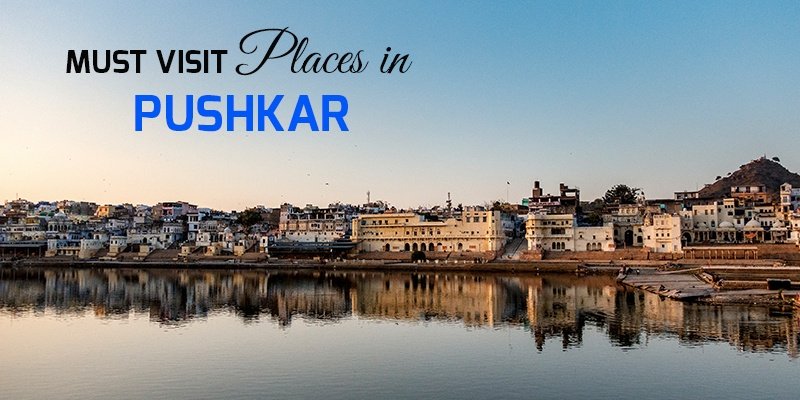
The mystical landscape of Rajasthan is a mosaic of royal history and deep-seated spirituality. Among its most storied destinations are the twin cities of Ajmer and Pushkar. While they sit just a short drive apart, separated by the Nag Pahar (Snake Mountain), they offer vastly different experiences. Ajmer serves as a significant center for Islamic pilgrimage, centered around the revered Dargah Sharif, while Pushkar is a tranquil, holy town known for its rare Brahma Temple and the sacred Pushkar Lake. For travelers seeking an authentic immersion into these cultural hubs, partnering with a reliable travel agency in Rajasthan ensures a seamless journey through the narrow alleys and grand monuments that define this region.
The Spiritual Heart of Ajmer: Dargah Sharif
Ajmer’s identity is inextricably linked to the Ajmer Sharif Dargah, the shrine of the Sufi saint Khwaja Moinuddin Chishti. This 13th-century shrine attracts millions of devotees from across the globe, transcending religious boundaries. The atmosphere inside the complex is electric yet serene, especially during the evening Qawwali sessions where soulful Sufi music fills the air. Visitors often walk through the massive silver doors to offer “chaddars” and rose petals, seeking blessings in a space that has hosted emperors and commoners alike for centuries. The architectural brilliance of the complex, featuring marble courtyards and intricate carvings, reflects the zenith of Mughal influence in the region.
The Serenity of Ana Sagar Lake
Just a short distance from the bustling heart of the city lies Ana Sagar Lake, an artificial lake built by Arnoraj Chauhan. The lake is at its most beautiful during sunset when the orange hues of the sky reflect off the calm waters. The “Baradari,” a series of five polished marble pavilions built by Emperor Shah Jahan, lines the lake’s edge, offering a perfect vantage point for a leisurely stroll. The Daulat Bagh gardens surrounding the lake add a touch of greenery, making it a favorite spot for locals and tourists to unwind after a day of sightseeing.
Taragarh Fort: A View from the Clouds
For those who enjoy a bit of a climb and a dose of military history, Taragarh Fort is an essential stop. Known as the “Star Fort,” it sits atop a steep hill and provides a panoramic view of Ajmer. Built in 1354, it is one of the oldest hill forts in India. While much of the structure is in ruins today, the massive battlements, the Rani Mahal, and the Miran Saheb ki Dargah within the fort walls offer a glimpse into the strategic importance Ajmer held during the medieval era. The trek up can be strenuous, but the sight of the city sprawling below is well worth the effort.
Pushkar: The Abode of Lord Brahma
Crossing over the Aravali hills brings you to the white-washed town of Pushkar. Unlike the busy streets of Ajmer, Pushkar moves at a meditative pace. It is home to the world’s only prominent temple dedicated to Lord Brahma. Legend has it that the lake was formed when a lotus dropped from Brahma’s hand. For pilgrims looking to explore the religious roots of the state, a Rajasthan Temples Tour provides a structured way to experience the rituals at the Brahma Temple and the 52 ghats surrounding the sacred lake. Taking a holy dip in the waters of Pushkar Lake is believed to cleanse the soul, and the evening Aarti at Varaha Ghat is a sensory experience involving rhythmic chants and floating lamps.
Cultural Vibrancy and the Pushkar Camel Fair
While Pushkar is a year-round destination for seekers of peace, it transforms into a whirlwind of color during the annual Pushkar Camel Fair (Pushkar Mela). This event is one of the world’s largest livestock fairs, where thousands of camels, horses, and cattle are traded. However, it is much more than a trade show; it is a cultural extravaganza featuring folk dances, music, Ferris wheels, and quirky competitions like the “longest mustache” contest. For travelers who prefer comfort amidst the rustic desert charm, many Rajasthan luxury tour packages offer glamping options and private guided tours during the mela, ensuring you experience the festivities without compromising on amenities.
Hidden Gems and Day Trips from Ajmer-Pushkar
Beyond the main shrines and lakes, the surrounding area holds several hidden gems. The Adhai Din Ka Jhonpra in Ajmer is a masterpiece of Indo-Islamic architecture. Originally a Sanskrit college, it was converted into a mosque in two and a half days, featuring beautifully carved pillars and arched screens. If you have an extra day, a trip to the Kishangarh Fort or the nearby Phool Mahal Palace offers a look into the famous Bani Thani style of painting. Nature lovers can also explore the desert trails around Pushkar on camelback or via a jeep safari, reaching the Savitri Mata Temple at the top of Ratnagiri Hill for a stunning sunrise.
Practical Tips for Travelers
When visiting Ajmer and Pushkar, it is important to respect local customs. In Ajmer Sharif, remember to cover your head and dress modestly. In Pushkar, which is considered a holy city, non-vegetarian food and alcohol are strictly prohibited. The best time to visit is between October and March when the weather is pleasant enough to explore the outdoor monuments. Navigating the narrow lanes can be tricky, so hiring a local guide through your travel provider can help you uncover stories that aren’t found in standard guidebooks. Whether you are drawn by faith, history, or the simple desire to see the sunset over a desert lake, the Ajmer-Pushkar circuit remains a cornerstone of the Rajasthani experience.