

Exploring Jaisalmer Fort: Deep History & Top Sightseeing

How to Spend a Weekend in Jawai and Bera: Top Sights
July 9, 2026
Gandhinagar Guide: How to Spend 3 Days in the Capital
July 10, 2026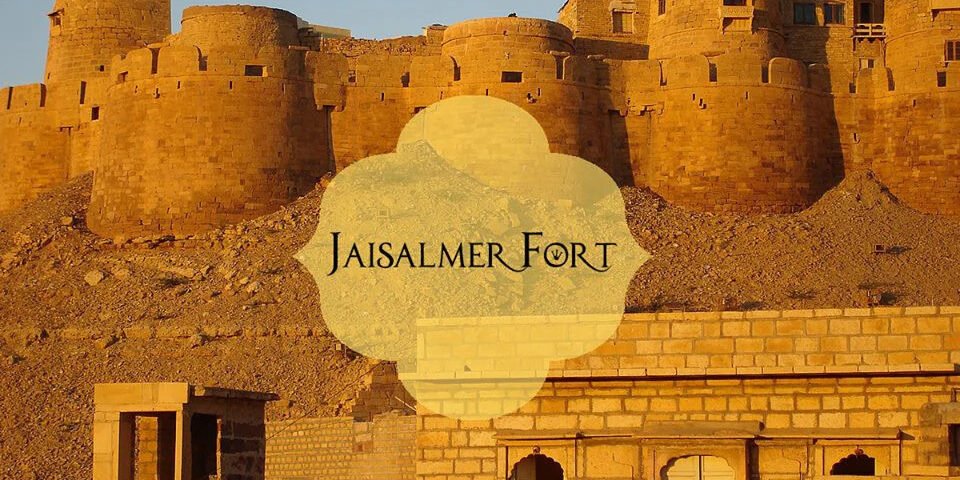
The desert landscape of Rajasthan holds many architectural wonders, but few hold the living, breathing history found inside the citadel of Jaisalmer. Rising majestically from the Trikuta Hill amidst the vast Thar Desert, this structure represents centuries of royal Rajput courage, strategic trade routes, and unparalleled architectural brilliance. Unlike many static monuments preserved purely as museums, this iconic landmark remains vibrant and populated, containing a bustling community within its massive fortifications. Visitors exploring this region often balance their historical discoveries with a stay at a serene camp in Jaisalmer to experience the true essence of desert life.
The Foundation and Medieval History of Sonar Quila
Founded in 1156 AD by the Bhati Rajput ruler Rawal Jaisal, the fort was strategically positioned along the ancient Silk Road trade route. Its construction utilized local yellow sandstone, an engineering choice that allowed the massive structure to blend perfectly into the surrounding desert. This unique visual effect earned it the timeless moniker of Sonar Quila, or the Golden Fortress, as its walls shift from a warm lion-tawny color during midday to a brilliant honey-gold at sunset.
Over the centuries, the fort served as an impregnable refuge, surviving numerous historic sieges and military conflicts against Delhi Sultanate rulers like Alauddin Khilji. To protect the kingdom, architects integrated a unique multi-layered defensive system. The fort features 99 massive watch bastions and a specialized triple-walled structure designed to repel invading forces. The narrow, winding alleys inside were deliberately constructed to confuse enemy troops and counter heavy artillery, establishing the citadel as one of India’s most strategically secure strongholds.
Masterpieces of Sandstone Architecture and Royal Palaces
The architectural design of the fort showcases a magnificent blend of traditional Rajput craft and delicate Islamic artistry. At the heart of the complex lies the Raj Mahal, the multi-storied Fort Palace that once served as the official residence of the Maharawals of Jaisalmer. Walking through its royal chambers reveals a world of intricately carved jharokhas (hanging balconies), expansive courtyards, and ancient artifacts that depict the everyday lifestyles of desert monarchs.
Among the structural highlights of the palace is the majestic marble throne of the Maharawal, positioned overlooking the main public square. The neighboring Tazia Tower, a striking five-storied structure built by local Muslim craftsmen, displays distinct tiered balconies and ornamental Bengali-style curved roofs. Every wall inside the palace tells a detailed story of trade, regional alliances, and artistic mastery that flourished deep within the desert landscape.
The Sacred Labyrinth of Ancient Jain Temples
Beyond the royal quarters, the fort houses a remarkably preserved cluster of seven Jain Temples constructed between the 12th and 16th centuries. Interconnected like an architectural labyrinth, these spiritual shrines are dedicated to various Jain Tirthankaras, including Sambhavanatha and Chandraprabhu. Built entirely of soft yellow sandstone, the temples are globally celebrated for their astonishingly detailed pillar carvings, geometric ceilings, and thousands of historic stone idols.
The temple complexes also house the Gyan Bhandar, an invaluable subterranean library containing rare palm-leaf manuscripts and ancient religious scriptures. This preservation of knowledge underlines the historical significance of Jaisalmer as not just a militaristic fort, but a premier center for trade, art, and spiritual scholarship in medieval India.
Top Sightseeing Spots and Living Traditions
As a living fort, approximately one-fourth of the old city’s population still resides within these ancient walls. Exploring the narrow paths brings visitors face-to-face with traditional handicraft markets, local textile weavers, and vibrant leather workshops. The Laxminath Temple, dedicated to Lord Vishnu and Goddess Lakshmi, remains a major center of daily worship and cultural gatherings for the residential community.
For panoramic views, travelers head toward the historic cannon points stationed along the high bastions. These elevated platforms provide an uninterrupted 360-degree view of the modern town expanding below and the distant sand dunes of the Thar. Watching the sunset from these heights reveals exactly why the iconic Golden Fort Jaisalmer continues to captivate historians and travelers from around the globe.
Curating the Perfect Desert Itinerary
Experiencing the full depth of this historic city requires a thoughtful balance between historical sightseeing and desert exploration. To make the most of your travel, utilizing a specialized 01 Night 2 Days Jaisalmer Group Package provides a structured yet immersive route. This short itinerary ensures you spend your daylight hours uncovering the historical secrets of the citadel before transitioning out to the tranquil sand dunes.
As the sun sets over the golden landscape, traveling down into the rolling dunes allows you to witness the natural beauty of the Thar Desert. Concluding your historical exploration with an evening of traditional Rajasthani folk music, camel safaris, and stargazing under an unpolluted desert sky offers the ultimate conclusion to an authentic cultural journey.