
Famous Traditional Dance and Music of Rajasthan

Affordable Stay Options Near Famous Garden Attractions in Udaipur
August 6, 2026
Why Kumbhalgarh Stands Out as the Premier Luxury Wedding Venue
August 6, 2026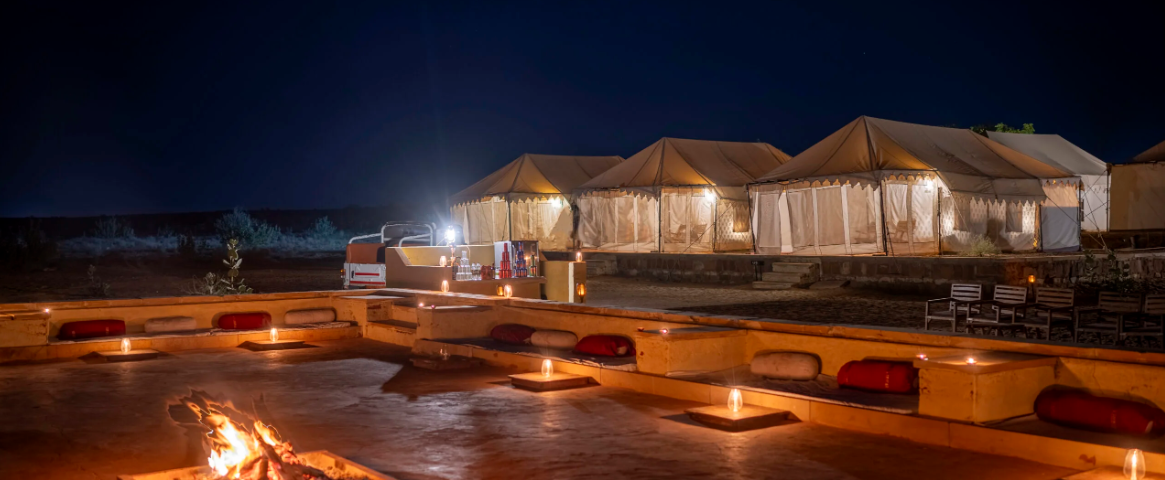
The golden sands of the Thar Desert come alive every evening as the sun dips below the horizon, painting the sky in deep shades of crimson and orange. While the dramatic landscape captivates visitors during the day, the true soul of Rajasthan reveals itself after dusk through its vibrant performing arts. The traditional dance and music of Rajasthan are not merely entertainment; they are living expressions of history, survival, spirituality, and celebration. From the royal courts of Rajput kings to the nomadic encampments scattered across the dunes, these folk traditions have been passed down through generations, preserving the rich cultural identity of the region.
Iconic Folk Dance Forms of Rajasthan
Every region of Rajasthan boasts its own unique folk dance, deeply rooted in local folklore, tribal heritage, and daily life routines. These performances combine intricate footwork, dramatic expressions, and vivid traditional attire adorned with mirrors, silver embroidery, and vibrant colors.
Ghoomar: The Royal Grace of Rajputana
Originally developed by the Bhil tribe to worship Goddess Saraswati and later embraced by Rajput royalty, Ghoomar stands as the defining dance form of Rajasthan. Performed exclusively by women wearing swirling flared skirts known as ghagras, the dance derives its name from ghoomna, which means twirling. As the dancers spin in circular formations while veiling their faces with an odhani, the rhythmic movement of their vibrant attire creates a mesmerizing visual pattern. Ghoomar is customarily showcased during auspicious occasions, major festivals like Gangaur and Teej, and grand royal celebrations.
Kalbeliya: The Enchanting Serpent Dance
Recognized by UNESCO as an Intangible Cultural Heritage, Kalbeliya is a high-energy folk dance performed by the nomadic snake-charmer community. Dancers clad in flowing black attire embroidered with shimmering silver thread, beads, and mirrors execute fluid, sinuous movements that mimic the sway of a cobra. Accompanied by the haunting melodies of the pungi (a wind instrument) and the rhythmic tempo of the dholak, the dancers execute astounding backbends and rapid pirouettes that leave spectators spellbound.
Bhavai: The Thrilling Feat of Balance
Bhavai is a sensational folk art requiring extraordinary physical dexterity, balance, and years of disciplined practice. Performers—traditionally from the Kumhar, Jat, or Kalbeliya communities—gracefully balance seven to nine brass or earthenware pots stacked on their heads. While maintaining this delicate balance, dancers perform daring acrobatic acts, such as swaying atop the narrow rim of a brass plate, twirling on broken glass shards, or balancing on the sharp edges of a sword.
Chari and Kachhi Ghodi: Symbols of Desert Life and Chivalry
- Chari Dance: Hailing from the Kishangarh region, this performance depicts the daily desert ritual of collecting precious water. Dancers gracefully maneuver across the floor while balancing lit brass pots containing flaming cotton seeds atop their heads.
- Kachhi Ghodi Dance: Originating in the Shekhawati region, male dancers wear elaborate costumes styled like wooden dummy horses to portray heroic warrior tales, riding into mock battles guided by the rhythmic beat of drums.
Soulful Musical Traditions and Indigenous Instruments
The dance forms of Rajasthan owe their intoxicating energy to the soulful folk music created by traditional musician communities, most notably the Langa and Manganiyar tribes of the Thar Desert. Having served royal patrons for centuries, these hereditary artists possess an unmatched repertoire of ballads narrating heroic legends, desert folklore, and romantic tales.
Ancient Musical Instruments of the Desert
The authentic soundscape of Rajasthani folk music is crafted through rare, hand-carved musical instruments:
- Kamaicha: A rare bowed string instrument carved from a single piece of mango wood and covered with goat leather, producing deep, resonant tones that echo the vastness of the sand dunes.
- Sarangi: A classic bowed instrument praised for its ability to mimic the emotional nuances of human vocals.
- Khartal: Flat wooden clappers played with astonishing precision by Manganiyar musicians, adding complex rhythmic layers to live performances.
- Pungi and Morchang: Traditional wind and mouth-percussion instruments that give desert compositions their distinctive, hypnotic rhythm.
Experiencing Rajasthan Culture Under the Stars
To fully appreciate the beauty of these centuries-old traditions, one must experience them in their natural setting—beneath a blanket of stars in the heart of the Thar Desert. Watching the fiery movements of Kalbeliya dancers and listening to the mournful strings of the Kamaicha while sitting around a crackling campfire creates memories that last a lifetime.
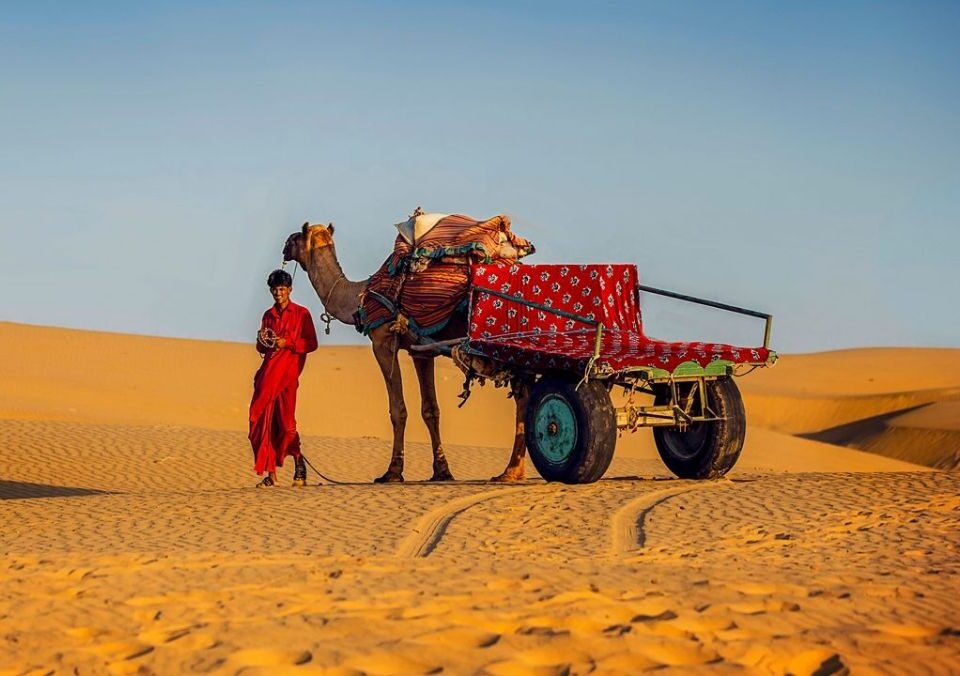
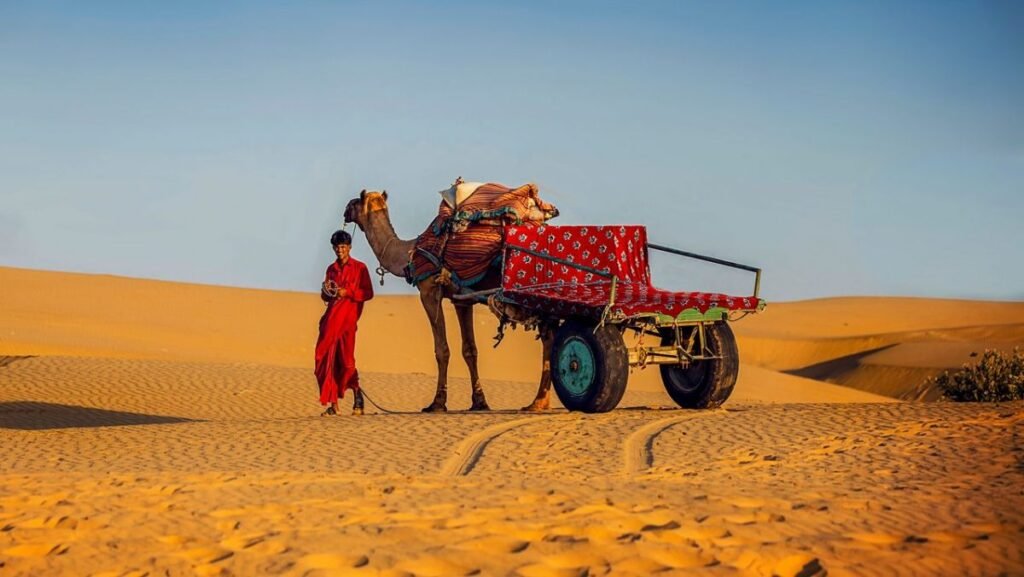
Visitors staying at a luxury camp in Jaisalmer can witness these authentic cultural evening performances firsthand, featuring master folk artists from local villages. Beyond evening cultural galas, travelers can complement their cultural immersion with exhilarating Jaisalmer adventure activities, including camel safaris across golden sand dunes, quad biking, and jeep dune bashing.
The traditional dance and music of Rajasthan are much more than artistic showcases—they are the heartbeat of a timeless land. Whether through the spinning elegance of Ghoomar or the soul-stirring notes of a desert song, these art forms invite every traveler to feel the true spirit of royalty and desert warmth.