
First Time in Jaisalmer: Complete Sightseeing Guide

How Natural Stone Blocks Are Mined and Used
September 29, 2026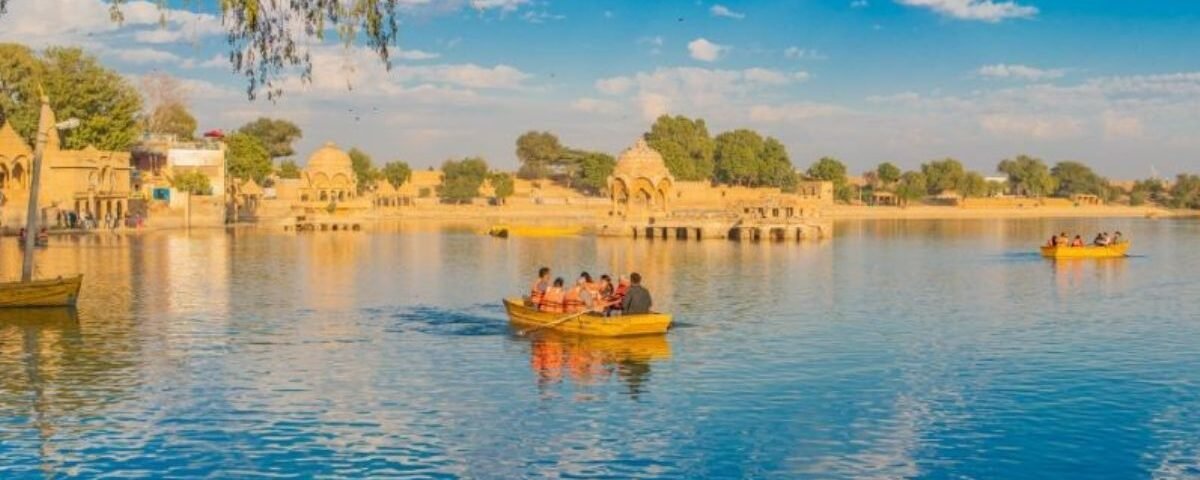
Stepping into Jaisalmer feels like wandering directly onto the parchment of an ancient desert fable. Known across the globe as the “Golden City,” this frontier settlement in western Rajasthan takes its signature hue from the yellow sandstone quarried straight from the surrounding Thar Desert. Planning your maiden voyage here requires a balance between navigating centuries-old urban architecture and surrendering to the windswept wilderness of the dunes.
Walking Through Living History at Jaisalmer Fort
Most historical citadels across India stand as empty monuments, preserved behind velvet ropes. Jaisalmer Fort, locally known as Sonar Qila, breaks this mold entirely as one of the world’s few surviving living forts. Constructed in 1156 AD by the Rajput ruler Rawal Jaisal, nearly a quarter of the old city’s population still resides, cooks, creates, and conducts business inside its bastions.
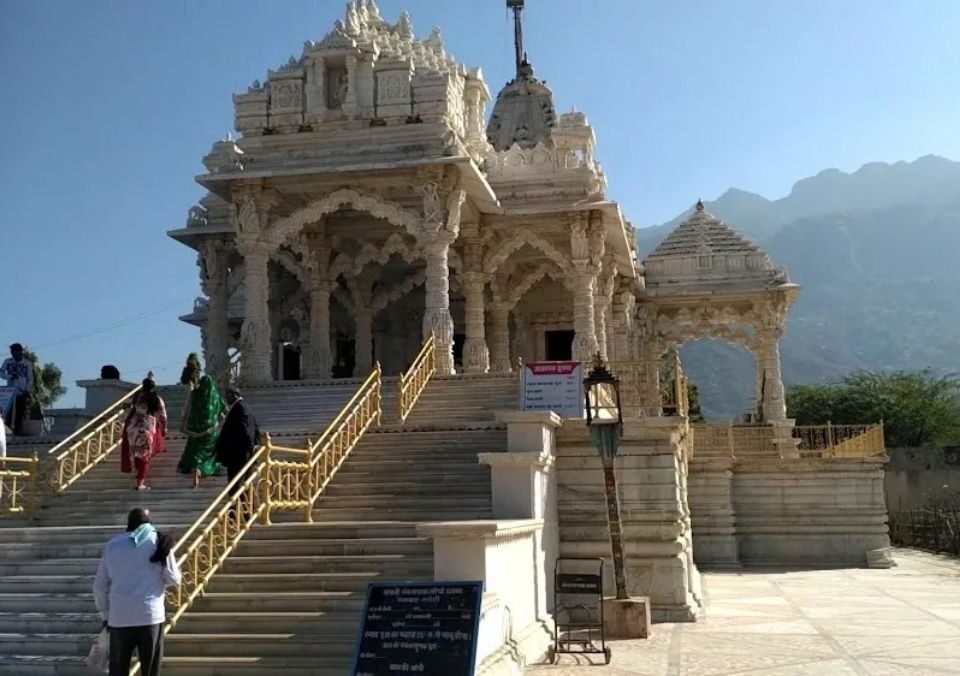
Wander past the monumental Suraj Pol entrance early in the morning before crowds gather. Inside, narrow labyrinthine alleyways reveal carved wooden doorways, spice stalls, hand-woven carpets, and ancient temples. Take time to explore the cluster of seven interconnected Jain Temples built between the twelfth and fifteenth centuries, noted for delicate Dilwara-style marble and sandstone carving. End your walking circuit along the fort’s cannons at Cannon Point, which provides an expansive panoramic perspective over the flat-roofed sandstone skyline below.
Architectural Marvels: The Golden Havelis
Downhill from the ramparts, Jaisalmer’s affluent merchants of the eighteenth and nineteenth centuries competed openly through residential architecture. Silk Road caravans brought immense wealth, prompting families to hire master stone carvers (silawats) to turn structural facades into lace-like filigree.
Patwon Ki Haveli represents the crown jewel of this artistic golden age. Actually a cluster of five individual five-storey mansions constructed between 1800 and 1860 for five brothers, the complex features sixty individual balconies (jharokhas) sculpted with absolute geometric precision. A short stroll away stands Nathmal Ki Haveli, commissioned as the prime minister’s residence. It features an intriguing visual trivia: two mason brothers worked on opposite halves of the front facade without reference to one another, resulting in subtle, beautiful asymmetries that reward a keen eye. Complete your haveli tour at Salim Singh Ki Haveli, instantly recognizable by its distinct peacock-shaped upper brackets and bracketed roofline resembling ship decks.
Tranquil Waters at Gadisar Lake
Water has always dictated survival in the Thar. Built in the fourteenth century by Maharawal Gadsi Singh, Gadisar Lake served as the primary rainwater reservoir that kept the desert settlement hydrated for centuries. Surrounded by artistically placed shrines, ghats, and chhatris (cenotaphs), it offers a cooling respite from the mid-afternoon heat.
The carved sandstone gate over the water, known as Tillon Ki Prokhar, frames the water surface gracefully. Rent a pedal boat during late afternoon or sit along the stone steps to watch migratory waterfowl circling overhead against the amber sunset.
Exploring the Mysterious Ruins of Kuldhara
No trip to Jaisalmer remains complete without venturing outside city lines toward Kuldhara. Located roughly 18 kilometers west, this abandoned settlement presents an eerie, wind-swept portrait of eighteenth-century Paliwal Brahmin heritage.
According to local lore, hundreds of villagers abandoned the entire settlement overnight to preserve their community pride and daughter’s honor from a despotic prime minister, placing a curse upon the land so no soul could ever settle there again. Walking through the roofless sandstone houses, temple ruins, and intact streets allows you to appreciate ancient town planning while reflecting on the folklore that defines Rajasthani identity.
Experiencing the Desert Dunes: Sunset and Stargazing
To truly understand Jaisalmer, you must journey beyond the city limits into the undulating sea of sand. The Sam Sand Dunes, located around 38 kilometers from the central market, serve as the geographic heart of the desert landscape.
Finding the right desert camp is vital to experiencing the wilderness without sacrificing comfort and cultural authenticity. Staying at a premier luxury camp in jaisalmer like Rajwada Desert Camp places you right alongside the tranquil desert ridges.
A complete desert experience combines thrill and heritage. As the afternoon cools down, partake in signature Jaisalmer advanture activities such as dune bashing across steep sand ridges in custom 4×4 vehicles, taking quad bike rides across the sands, or setting out on a slow camel safari to watch the sun dip beneath the horizon. When dusk descends, the camp comes alive with the rhythm of the dholak, the hypnotic movements of Kalbelia dancers around a bonfire, and traditional Rajasthani dishes like Dal Baati Churma served beneath a canopy of stars.
Essential Travel Tips for First-Time Visitors
- Best Time to Travel: Plan your visit between October and March when desert temperatures remain pleasantly mild during daytime and refreshingly crisp at night.
- Footwear Matters: Wear slip-on shoes or comfortable sneakers with traction. The cobbles within Jaisalmer Fort can be steep and worn smooth by centuries of foot traffic.
- Stay Packages: Booking structured arrangements, like a curated 02 Night 03 Days Jaisalmer Couple Package, ensures a seamless balance between city exploration and an immersive desert overnight stay without logistical stress.
- Hydration and Sun Protection: The desert air wicks away moisture quickly. Keep a reusable water bottle handy, apply broad-spectrum sunscreen, and carry a light cotton scarf to protect your face against drifting sand.