

How to Choose the Best Quality Marble for Your Home Design

From Injury to Radiance: The Biology Behind SkinPen Microneedling
June 3, 2026
From Check-In to Check-Out: Enjoying Every Moment in a Luxury Room
June 4, 2026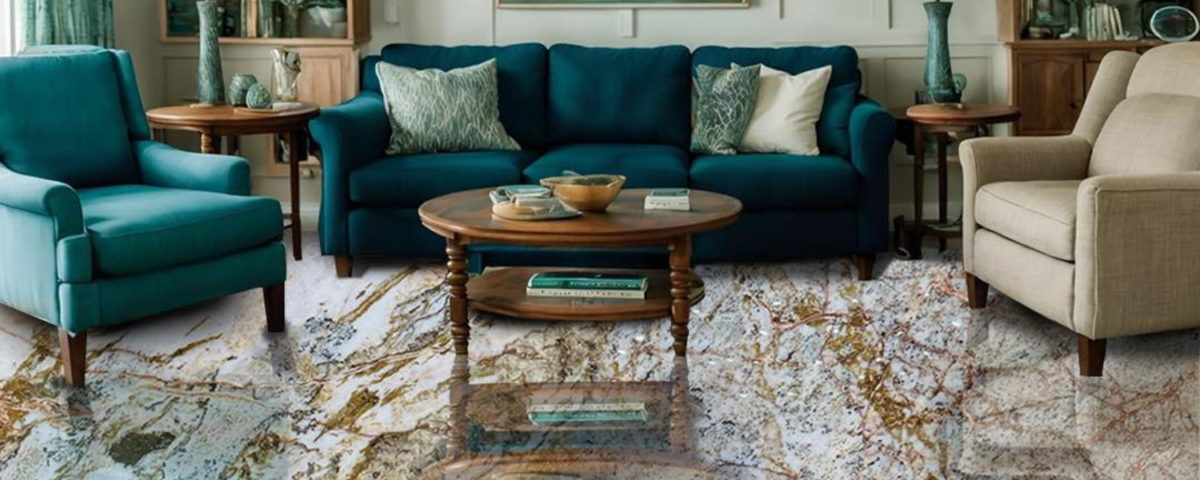
Selecting the right natural stone is a transformative step in any architectural project, whether you are planning a modern kitchen countertop or an elegant living room floor. As a premier natural stone supplier in india, we understand that the longevity and aesthetic appeal of your home design depend heavily on the inherent characteristics of the stone you select. Marble brings timeless sophistication to interior spaces, but navigating the vast market requires a keen eye for detail and an understanding of material integrity.
Assessing Physical Characteristics and Durability
When evaluating stone for residential use, prioritizing durability is essential. Marble is a metamorphic rock formed under intense heat and pressure, which creates its characteristic veins and crystalline structure. High-quality marble should feel dense and solid. Inspect the surface for any signs of excessive porosity, as highly porous stones are more susceptible to staining and absorption of liquids. Professional installers often recommend checking the slab for micro-fissures or hidden cracks that may compromise the structural integrity over time. By partnering with a trusted marble exporter in india, you gain access to slabs that have been carefully vetted for density and geological stability, ensuring your home design remains beautiful for decades.
Aesthetic Consistency and Veining Patterns
The visual appeal of marble is driven by its unique veining—the mineral impurities that create distinctive patterns. When choosing marble, it is vital to view the entire slab rather than a small sample. Natural variations are part of the beauty, but you must ensure the aesthetic fits your design vision. For book-matched installations, where two slabs are mirrored to create a symmetrical pattern, consistency in vein direction and intensity is critical. Consider the background color of the marble; some varieties offer a crisp white backdrop, while others lean toward greys or creams. Aligning your choice with your lighting conditions is also important, as marble often takes on a different appearance under warm artificial lighting compared to bright, natural sunlight.
The Importance of Material Testing
Many homeowners feel overwhelmed by the technical specifications of stone. However, understanding the basics of material assessment empowers you to make an informed decision. Testing Indian Marble Quality is a straightforward process that involves evaluating absorption rates, density, and finish quality. A high-quality slab should not show significant signs of resin filling or artificial enhancements, as these can mask flaws and lead to premature degradation. During your selection process, pay close attention to how the stone was processed. Precision cutting and high-quality polishing contribute to the final durability of the surface, ensuring the stone remains resistant to wear and tear in high-traffic areas.
Selecting the Right Finish for Your Needs
The finish of the marble determines both its look and its functionality in specific rooms. A polished finish creates a high-gloss, reflective surface that enhances the vibrant colors and intricate veins of the stone. This is often the preferred choice for wall cladding or feature walls where low maintenance is desired. Conversely, a honed finish offers a matte, satin-like look that is softer to the touch and better at hiding small scratches or etching. For flooring in busy areas, a honed or leathered finish is often more practical, providing better slip resistance and a more understated elegance. Discussing the intended use of the area with your supplier will help determine which finish best balances your aesthetic goals with the practical requirements of your lifestyle.
Maintenance and Long-Term Care
Choosing the best quality marble is only the first step; maintaining its luster requires a commitment to proper care. Marble is calcium carbonate-based, which makes it sensitive to acidic substances like lemon juice, vinegar, and certain cleaning agents. To keep your marble surfaces looking pristine, immediate cleaning of spills is necessary. Using pH-neutral cleaners specifically formulated for natural stone is crucial to prevent etching and surface dullness. Furthermore, applying a high-quality sealant during installation and periodically thereafter will create a protective barrier, reducing the risk of stains and allowing you more time to wipe away accidental spills. By following these care practices, you preserve the inherent value and beauty of your investment, ensuring the stone continues to be a centerpiece of your home design for years to come.