

How to Explore Rural Culture in Jawai, India

Best Famous Tourist Places in Abu Road
September 18, 2026Stepwell Architecture of Gujarat: How Adalaj Balanced Utility and Sacred Art
September 18, 2026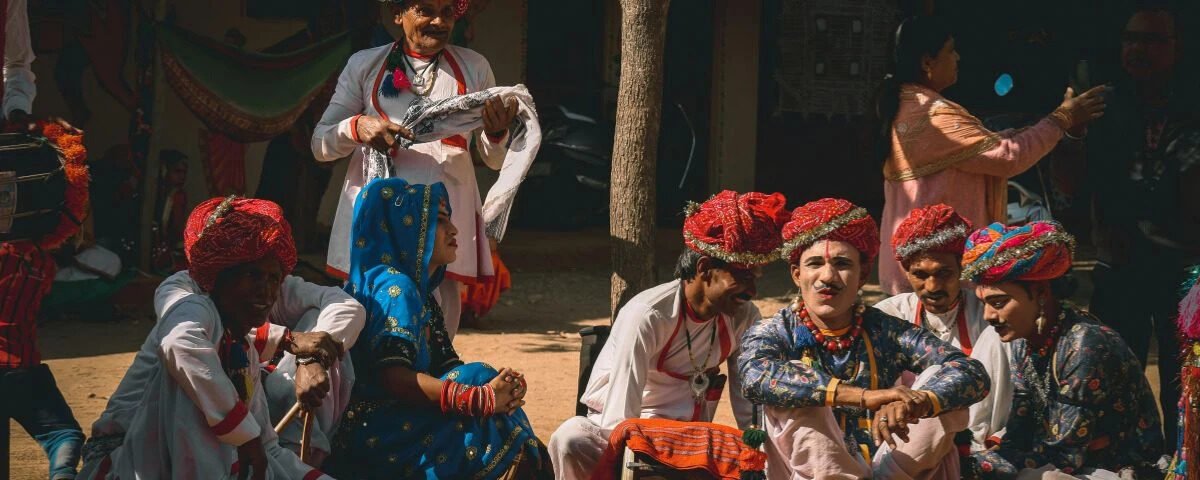
Nestled amidst the ancient granite hills of southwestern Rajasthan, Jawai presents a landscape where rugged wilderness and pastoral life exist in harmony. While renowned globally for its thriving feline population, the true pulse of this semi-arid terrain lies in its rural roots. Exploring the local villages provides rare insight into sustainable indigenous lifestyles that have adapted to this rocky environment over centuries. Understanding the deep connections between pastoralist communities, seasonal cycles, and wildlife reveals a side of Jawai far beyond typical tourism.
The Rabari Shepherds: Keepers of Heritage
The soul of rural Jawai belongs to the Rabari community, also known as the Raika. A nomadic pastoral tribe tracing their lineage back through generations, the Rabari are revered for their intimate bond with camels, cattle, and sheep. Walking through a traditional settlement, locally known as a dhani, introduces you to the everyday rhythm of shepherd life.
The Rabari identity is deeply rooted in visual traditions:
- Distinctive attire: Men wear voluminous white cotton garments accented by scarlet red turbans (pagris), silver amulets, and distinctive ear jewelry called murki.
- Intricate embroidery: Women dress in dark, beautifully embroidered ghagras, embellished with mirror work and patterns that convey marital status, lineage, and personal narratives.
- Pastoral knowledge: Elders possess a profound understanding of natural migration routes, indigenous veterinary medicines, and local flora.
Visiting a Rabari homestead allows travelers to observe time-honored hospitality. Conversations over sweet masala chai brewed with goat milk uncover oral histories of migrations, weather forecasting through animal behavior, and the spiritual conviction that makes their lifestyle resilient.
Living Beside Apex Predators: The Philosophy of Coexistence
The hallmark of rural Jawai is the tranquil coexistence between humans and leopards. Unlike regions where wildlife incursions generate severe human-wildlife conflict, Jawai stands as a global beacon of tolerance.
The Rabari revere the leopard, viewing it as a protector connected to their deity, Ambe Mata. If a big cat preys on a goat or calf, the community historically interprets the loss as a consecrated tithe rather than a pest attack. This cultural ethos has prevented retaliatory poaching, allowing the animals to roam openly around granite kopjes directly adjacent to grazing lands. A field excursion or a structured Jawai leopard safari guided by local trackers demonstrates this balance firsthand, pairing tactical tracking with stories of communal coexistence.
Village Walks and Agrarian Traditions
Beyond pastoral life, agrarian hamlets around the Jawai Bandh reservoir showcase traditional Rajasthani farming practices. Structured village walks offer an authentic window into daily routines without disturbing the local ecosystem.
To experience rural life responsibly, consider engaging in these authentic activities:
- Farming cycles: Observe the cultivation of mustard, wheat, and seasonal pulses nourished by regional irrigation canals.
- Culinary preparations: Witness traditional grain processing where women grind millet (bajra) on stone mills (ghattis) and bake flatbreads on earthen stoves (chulhas).
- Artisanal crafts: Interact with village potters who shape terracotta vessels using classic manual kick-wheels, keeping regional craft alive.
Experiencing these crafts firsthand brings an appreciation for self-sustaining village economies that operate outside hyper-modernization.
Temple Shrines and Sacred Granite Hills
The granite monoliths dotting Jawai are more than scenic vantage points; they are sacred landscapes. Cave temples carved into subterranean fissures hold centuries of local devotion. Shrines dedicated to folk deities, Shiva, and regional goddesses serve as community gathering hubs during auspicious dates and seasonal festivals.
Ascending these rocky outcrops alongside local worshippers early in the morning offers panoramic views of the water basin accompanied by the tolling of temple bells. These spaces encapsulate the intertwining of ecology, faith, and rural society, demonstrating how the earth itself is revered as sacred ground.
Responsible Engagement with Local Communities
Immersion into sensitive pastoral settlements requires awareness, cultural empathy, and sustainable practices. A genuine cultural exchange leaves a positive footprint while safeguarding local dignity:
- Ask before photographing: Always request permission before taking portraits of villagers, particularly women and elders.
- Support the local economy: Purchase crafts, textiles, and services directly from village artisans and native guides to ensure tourism benefits the residents directly.
- Dress conservatively: Respect rural sensibilities by covering shoulders and knees when strolling through hamlets and religious shrines.
- Choose conscious hospitality: Align your journey with accommodations that champion environmental conservation, regional hiring, and cultural preservation. Booking your stay at a dedicated resort in Jawai ensures access to experienced naturalists and village liaisons who facilitate respectful interactions.
Jawai is far more than an outdoor sanctuary; it is a living classroom of pastoral tradition, tolerance, and environmental harmony. Immersing oneself in the rural customs of this granite country offers a grounding reminder of how humanity and nature can coexist seamlessly.
