
How to Launch Your Career in Animation Today

How to Find the Best Resort for a Stay at Abu Road
October 22, 2026
How to Pick the Best Marble and Granite for Rooftop Floors
October 22, 2026
The global media, entertainment, and gaming industries are witnessing unprecedented growth, creating high demand for skilled visual artists, storytellers, and technicians. Modern cinema, television series, architectural visualization, advertising, and interactive video games all depend heavily on captivating visuals and realistic movement. For aspiring creators looking to transform a passion for digital art into a lucrative profession, entering this creative ecosystem requires an understanding of core fundamentals, disciplined practice, structured mentorship, and an exceptional portfolio.
Understanding the Contemporary Animation Pipeline
Before learning specialized software, every beginner must grasp how production studios operate. The production pipeline is typically divided into three primary stages:
- Pre-Production: This foundation phase focuses on conceptualization, scriptwriting, character design, visual development, storyboarding, and creating animatics to establish narrative pacing.
- Production: In this phase, assets come alive through 3D modeling, texturing, digital sculpting, character rigging, lighting, and performance-based animation.
- Post-Production: The final phase integrates visual effects (VFX), compositing, rotoscopy, sound design, color grading, and final rendering to deliver a polished cinematic experience.
Gaining clarity across these stages helps you decide whether your strengths align best with pre-production visual development, technical 3D character animation, or post-production compositing.
Building Foundational Art and Technical Principles
Mastery in animation is built upon timeless creative principles rather than simply learning menu commands. Even in an increasingly digital world, traditional drawing skills, observation of real-world physics, and an understanding of human and animal anatomy form the bedrock of believable motion.
Beginners should invest time in studying the classic twelve principles of animation, which include timing and spacing, squash and stretch, anticipation, staging, and follow-through. When paired with digital literacy across industry-standard tools such as Autodesk Maya, Blender, ZBrush, Adobe Creative Cloud, and Nuke, these principles ensure that your digital characters convey weight, balance, and genuine emotional resonance.
Enrolling in Structured Professional Training
While self-guided tutorials introduce basic software functionality, commercial studios require candidates who understand complex studio workflows, collaborative production pipelines, and tight deadlines. Joining a dedicated animation academy in Udaipur provides artists with direct access to experienced mentors, structured milestone evaluations, studio-grade infrastructure, and collaborative project environments.
Professional training bridges the critical gap between hobbyist experimentation and industry-standard execution. Classroom feedback helps students avoid common novice errors, refine technical problem-solving skills, and develop discipline in file management and rendering optimization.
Expanding Your Skills with Advanced Visual Effects
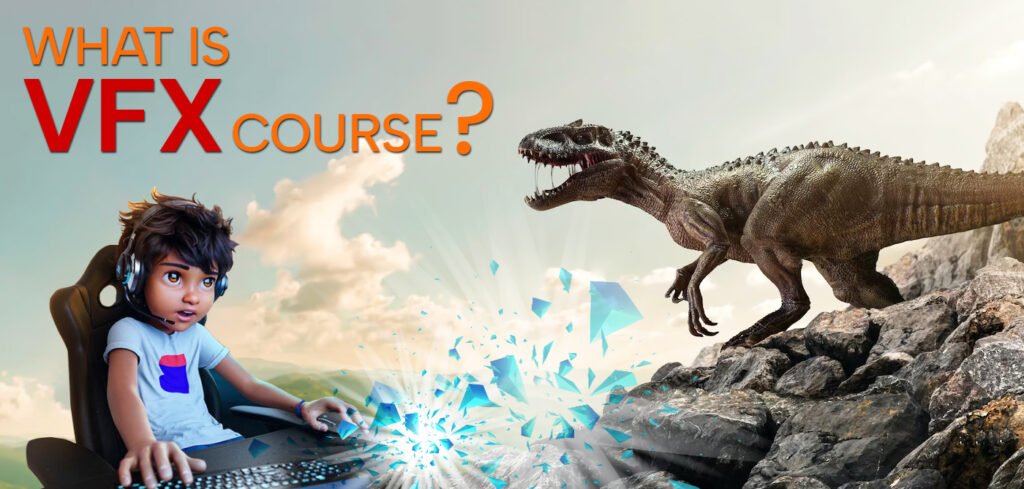
As entertainment media evolves, the boundaries between character animation and live-action filmmaking continue to blur. Visual effects artists are essential for integrating photorealistic computer-generated creatures, crowd simulations, fire dynamics, destruction physics, and digital environments into filmed footage.
Students seeking specialized expertise in digital compositing, camera tracking, and simulation dynamics can pursue structured VFX Prime Courses in Udaipur to gain hands-on proficiency with tools like Nuke, Silhouette, and specialized dynamics software. Expanding your repertoire into high-end compositing and dynamics opens versatile career paths across commercial advertising, feature film studios, and next-generation virtual production studios.
Assembling an Outstanding Showreel and Portfolio
In the animation and entertainment industry, your demo reel serves as your primary credential. Hiring managers and studio art directors evaluate candidates based on visual evidence of skill rather than written resumes.
To create an effective showreel:
- Highlight Quality Over Quantity: Keep your reel concise, ideally between 60 and 90 seconds, showcasing only your finest, most polished work.
- Lead with Your Strongest Piece: Hook the reviewer within the first ten seconds with your best character performance, fluid motion test, or cleanest composited shot.
- Clarify Your Contributions: Provide a clean breakdown sheet or on-screen lower-third text detailing exactly which elements of each shot you modeled, rigged, animated, or composited.
- Demonstrate Body Mechanics: Include realistic weight shifts, walk cycles, jumps, and athletic actions that prove your grasp of physical mechanics.
Navigating the Job Market and Sustaining Growth
Securing your first studio role involves active networking, submitting reels to studio talent recruiters, participating in digital art challenges, and attending animation festivals. Engaging with peers and senior artists in online forums offers continuous learning and exposes you to constructive criticism.
The animation landscape rewards individuals who embrace lifelong learning. Commit to refining your observational skills, stay updated on new rendering engines and real-time workflows, and remain consistent in your personal creative projects. With dedicated training, disciplined practice, and a compelling portfolio, you can turn your artistic aspirations into a thriving, lifelong creative career.