

Jawai Bandh 2026: Best Travel Guide for Leopard Lovers

Step-by-Step Guide to Bridal Glow Skin for Events
June 27, 2026
Exploring the Oasis: A Guide to Mount Abu’s Top Tourist Spots
June 29, 2026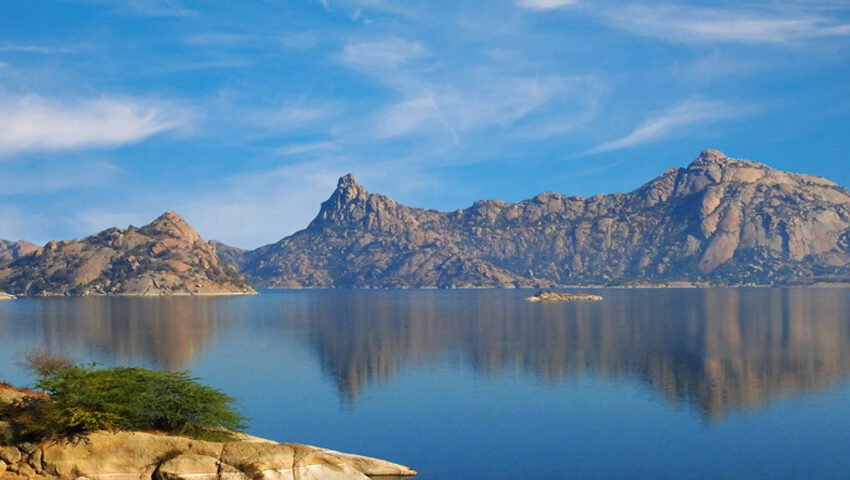
Jawai Bandh has rapidly evolved into India’s premier wilderness destination for observing big cats in an entirely unfenced, natural ecosystem. If you are planning an expedition this year, finding the best resort in Jawai to anchor your stay ensures a seamless balance of thrilling wildlife exploration and serene comfort. Nestled among ancient granite rock formations in southwestern Rajasthan, this region offers a rare opportunity to witness an extraordinary story of peaceful coexistence between the local Rabari shepherds and wild leopards.
Unlike traditional, densely forested national parks where dense foliage often blocks your line of sight, the open granite landscape around the Jawai dam provides clear, unobstructed tracking opportunities. This complete travel guide breaks down everything you need to know about navigating the local terrain, coordinating your safari excursions, and experiencing the incredible wildlife of the region in 2026.
Understanding the Landscape and Wildlife
The ecosystem centered around the Jawai River and its historic dam is structurally different from any other wildlife sanctuary in India. The terrain is characterized by massive, wind-sculpted granite hills that date back millions of years. These rocky hills are filled with natural caves and fissures, which serve as the primary shelters for the local leopard population. Because there are no perimeter fences or formal park gates, the animals move freely across a landscape shared with agrarian villages.
The high density of leopards in this specific belt makes tracking highly successful throughout the year. Beyond the big cats, the reservoir itself serves as a vital water source that attracts a diverse array of wildlife. Visitors frequently encounter large marsh crocodiles sunbathing along the banks, Indian striped hyenas, jungle cats, and blue bulls (nilgai). The location is also an internationally recognized bird-watching hotspot where hundreds of migratory species arrive each winter.
Optimizing Your Safari Experience
To maximize your chances of witnessing these predators in their natural habitat, a structured Jawai leapard safari tour is essential. Safaris in this region are conducted using open-top 4×4 tracking vehicles designed to navigate steep granite inclines safely. These tracking drives are led by local naturalists who possess deep knowledge of the individual cats, their specific territories, and their daily behavioral patterns.
- The Morning Tracker: Morning drives typically commence just before sunrise, around 5:30 AM to 6:00 AM, depending on the season. This window is highly productive because leopards are often active on the lower rocks as they return to their caves after hunting through the night.
- The Golden Hour Tracker: Evening safaris depart in the late afternoon, around 3:30 PM or 4:00 PM. This session offers exceptional lighting conditions for wildlife photography as the setting sun illuminates the red granite hills, and leopards frequently emerge onto the rocks to catch the remaining warmth.
Selecting the Right Time to Visit
While tracking is viable year-round, seasonal shifts alter the overall environment and tracking conditions significantly. Planning your arrival based on your personal travel preferences will ensure the best possible experience.
The Winter Months (October to March)
This is widely considered the peak travel season due to the pleasant daytime weather, with temperatures ranging comfortably between 10°C and 25°C. The cool climate keeps the big cats active for longer stretches during the day. This period also coincides with the arrival of thousands of migratory birds, including large flocks of greater flamingos, demoiselle cranes, and bar-headed geese near the reservoir backwaters.
The Pre-Monsoon Summer (April to June)
For dedicated wildlife photographers and enthusiasts, the dry summer months offer unique advantages. As temperatures rise, the surrounding vegetation thins out completely, and smaller wilderness waterholes dry up. This forces the wildlife to congregate predictably around the main dam reservoir and remaining water channels, making sightings highly consistent.
Planning Your Wilderness Stay
Because the wilderness area is spread out across various rocky zones, selecting strategically located accommodation in Jawai is key to minimizing your travel times to the tracking areas. The right base should provide immediate proximity to the prime tracking hills while offering a tranquil space to recharge between your morning and evening excursions.
Opting for properties positioned near the scenic backwaters allows you to enjoy panoramic views of the water and surrounding monoliths right from your room. Many travelers prefer boutique resorts that blend modern amenities—such as air-conditioned suites, reliable internet, and refreshing swimming pools—with customized bush dining experiences. Enjoying a hot breakfast on top of a granite hill or a quiet dinner under the open sky adds a memorable dimension to your wilderness journey.
Essential Preparation Tips for Travelers
To ensure a comfortable and rewarding expedition, keep these practical travel tips in mind before you head out:
- Pack Neutral Clothing: When riding in open tracking vehicles, wear earthy tones like khaki, olive green, beige, or grey. Bright colors can startle the wildlife and disrupt their natural movements.
- Prepare for Temperature Fluctuations: Open-air morning drives can be surprisingly chilly, especially between November and February. Bring a windbreaker or a light jacket that you can layer down as the sun comes up.
- Bring the Right Gear: A camera equipped with a telephoto lens (minimum 300mm) is highly recommended for capturing clear wildlife shots from the tracking vehicles. Don’t forget a pair of high-quality binoculars for scanning distant cliff faces and caves.
- Respect the Ecosystem: Always follow the directions of your naturalist guide. Maintain strict silence during tracking sessions and never attempt to feed or approach wild animals on foot.