
Jawai Travel Guide: Best Time for Safari Sightings

Your Guide to Recovery After Laser Vein Removal
July 1, 2026
First Time in Jaisalmer? Visit These Places
July 1, 2026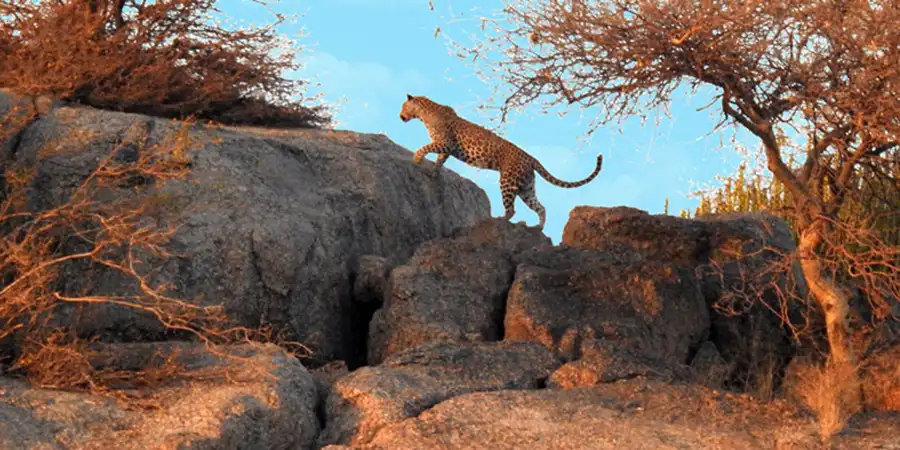
Planning a trip to the granite hills of Rajasthan requires looking closely at seasonal wildlife behaviors. Jawai is famous for its thriving leopard population that lives peacefully alongside the local Rabari herdsmen. Unlike dense national parks with thick tree cover, this semi-arid region offers high-visibility tracking over ancient stone formations. Choosing the right month determines not only your physical comfort in an open safari vehicle but also your mathematical probability of spotting these big cats. To fully immerse yourself in this rugged wilderness while securing premier comfort, booking your stay at a luxury resort in jawai serves as your ideal base camp.
Understanding how seasonal changes affect local wildlife is key to planning a successful expedition. Temperature shifts, water availability, and migratory bird patterns alter the ecosystem dramatically every few months.
Winter Peak Season: October to February
The cooler months represent the most popular time for travelers to explore the region. As the monsoon rains retreat, the daytime temperatures drop to a comfortable 15°C to 28°C range, though early morning drives regularly see dips down to 7°C.
For tracking predators, winter alters animal movements in specific ways:
- Basking Behaviors: Leopards are ectothermic regulators when it comes to morning warmth; they spend hours lying on flat granite rocks to absorb the winter sun, making them highly visible to binoculars.
- Cub Activity: This period aligns with high sighting rates of mother leopards guiding their older cubs across open terrain.
- Migratory Influx: The Jawai Bandh reservoir becomes a critical wetland habitat, attracting over 200 bird species including demoiselle cranes, flamingos, and bar-headed geese.
Going on a leapard safari in Jawai during dawn and dusk hours maximizes these sightings, as the crisp winter air provides clear visibility across the rock faces.
Pre-Monsoon Sighting Spikes: March to June
While the summer months bring intense heat with temperatures climbing between 35°C and 45°C, this period yields the highest statistical tracking success for dedicated wildlife enthusiasts. The dry climate forces a structural shift in how animals utilize the habitat.
Vegetation thins out completely, stripping away natural camouflage from the slopes. More importantly, smaller inland water holes dry up entirely. This forces leopards, antelopes, and wild boars to travel down to the primary edges of the dam and remaining riverbeds. If you can tolerate the midday heat by resting during peak sun hours, the early morning and late evening tracking runs offer completely unobstructed views of apex predators hunting near water margins.
Monsoon Transformation: July to September
Monsoon season introduces a complete aesthetic overhaul to the landscape. The grey granite hills sprout vibrant green flora, turning the semi-arid terrain into a temporary paradise.
From a tracking perspective, the rainy season presents specific challenges. The local wildlife tends to disperse deeper into the higher rocky caves because water is available everywhere, dropping direct sighting odds. Heavy downpours can also impact unpaved backroads, making vehicle navigation difficult. However, for landscape photographers and travelers seeking absolute isolation away from crowds, the dramatic cloud formations over the filled reservoir offer stunning visual rewards.
Maximizing Your Wilderness Experience
To get the most out of your wilderness journey, your choice of accommodation matters just as much as the time of year you visit. After spending hours tracking wildlife in an open terrain, having a modern space to cool down and recover is essential. Choosing a Resort with Swimming Pool in Jawai allows you to relax comfortably between your morning and evening field drives.
Planning your trip around these seasonal shifts ensures you match your travel goals with the natural rhythms of Rajasthan’s unique wildlife ecosystem.