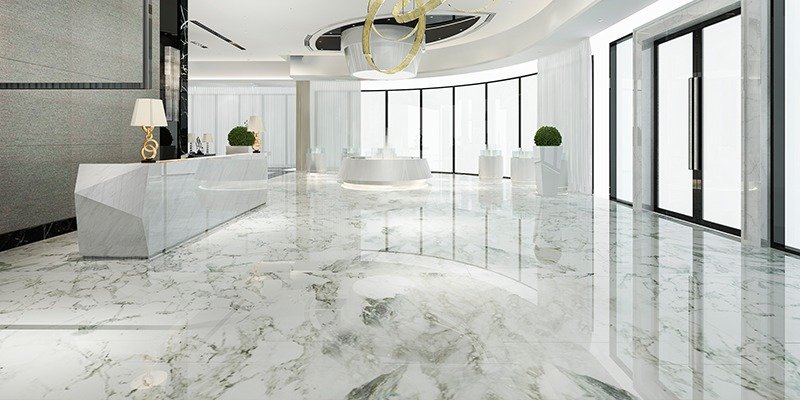

Pros and Cons of Choosing Marble for Rooftop Floors

The Real Reason Ranthambore is Famous World-Wide
June 26, 2026
Why You Must Visit Kumbhalgarh Fort This Monsoon Season
June 26, 2026
When designing an outdoor luxury oasis, selecting the right flooring material requires balancing aesthetics with environmental performance. Rooftop terraces present a unique set of challenges, including direct exposure to extreme weather, intense solar heat, and heavy moisture. Marble has long been a symbol of luxury and sophistication in interior spaces, but its application on open-roof setups requires a detailed assessment. Partnering with a reliable marble supplier in India opens up access to high-quality natural stone varieties engineered by nature to withstand various conditions, provided they are treated and maintained properly. Below, we break down the practical pros and cons of using premium marble for rooftop flooring installations.
The Pros of Rooftop Marble Flooring
1. Exceptional Thermal Properties and Cooling Behavior
Unlike synthetic tiles or concrete blocks that trap thermal radiation, high-grade natural marble stays relatively cool under direct sunlight. This property is particularly beneficial for expansive, open-air terraces in warm climates. Light-colored stones offer a natural albedo effect, reflecting a significant portion of solar radiation away from the building’s structural crust, keeping the surface pleasant to walk on barefoot and lowering ambient temperatures around the upper floors.
2. Unmatched Luxury and Custom Aesthetic Varieties
No manufactured tile can perfectly replicate the complex, unique veining profiles of natural stone. Homeowners seeking a pristine, clean, and expansive visual appearance can source materials from a specialized Hazel White Marble Supplier India. This particular stone variety introduces crisp white tones that reflect morning light beautifully while expanding the perceived boundary of compact terrace spaces. For structural designs requiring dramatic, deep, and earthy tones, choosing a robust Fantasy Brown Marble in India brings a striking combination of brown, grey, and off-white waves that mask surface dust effectively while establishing a strong contemporary style.
3. High Structural Durability and Longevity
When correctly installed and sealed over a solid, load-bearing concrete base, high-density marble tile lasts for decades without bending, cracking, or breaking under heavy furniture. It possesses immense compressive strength, allowing it to handle frequent foot traffic, outdoor dining setups, and heavy planters effortlessly.
The Cons of Rooftop Marble Flooring
1. High Susceptibility to Acidic Weathering and Staining
Marble is chemically categorized as a metamorphic rock composed mainly of calcium carbonate. This makes it highly reactive to acidic environments, including acidic rain in urban centers, bird droppings, fallen leaves, and spilled citrus drinks or wines from outdoor gatherings. If left unsealed, these liquids rapidly penetrate the surface pores, causing deep-seated chemical stains or surface etching that dulls the stone’s finish.
2. Slip Hazards on Wet Surfaces
When polished to a high mirror gloss, marble presents a smooth surface that becomes exceptionally slick when exposed to rain, morning dew, or swimming pool splashes. To prevent dangerous slipping hazards on an open roof, the stone must receive a textured surface treatment, such as a brushed, honed, sandblasted, or leathered finish. These finishes introduce mechanical grip underfoot while intentionally reducing the stone’s high-gloss shine.
3. Specialized Installation Requirements and Maintenance Rigor
Marble cannot be installed like standard ceramic or porcelain tiling. Because it is a heavy natural product, structural engineers must first verify that the roof’s load capacity can support the weight of thick stone slabs along with the mortar bedding. Additionally, an outdoor installation demands specialized waterproof membranes underneath to prevent moisture from seeping into lower rooms. Homeowners must also commit to resealing the surface with a deep-penetrating impregnating sealer every 12 to 24 months to block out water and prevent mold growth.
Strategic Comparison: Marble Performance Metrics
| Performance Attribute | High-Gloss Polished Marble | Honed / Leathered Textured Marble |
| Slippage Risk (Wet) | Very High | Low to Moderate |
| Solar Heat Reflection | Excellent | Very Good |
| Stain Resistance | Moderate (Requires Sealant) | Low (Higher Pores, Needs Heavy Sealing) |
| Scratch Visibility | Highly Visible | Minimally Visible |
| Maintenance Frequency | Bi-annual Inspections | Annual Re-sealing |
Best Practices for Installing Outdoor Marble Floors
To maximize the lifespan of your rooftop stone installation, avoid using standard dark cement mortars, which can bleed through the bottom of the porous stone and cause permanent dark shadows on your beautiful floor. Instead, ensure your installation team works exclusively with premium white polymer-modified adhesives formulated explicitly for natural marble.
Always double-check that your design includes a precise 1% to 2% slope directed entirely toward high-capacity drainage channels. Water must never be allowed to pool on top of the marble panels, as prolonged water contact weakens stone sealers and accelerates structural discoloration. Finally, skip aggressive chemical cleaners or acidic detergents during your weekly maintenance routine. A simple wipe down with a pH-neutral stone soap and a clean water rinse is all it takes to preserve your rooftop floor’s natural elegance for generations.