

Ranthambore Fort: Architectural Marvel Defined

Romantic Dining Redefined: Enjoy a Rooftop Restaurant in Udaipur
June 12, 2026
Understanding Drug-Induced Gynecomastia: A Complete Guide for Men
June 12, 2026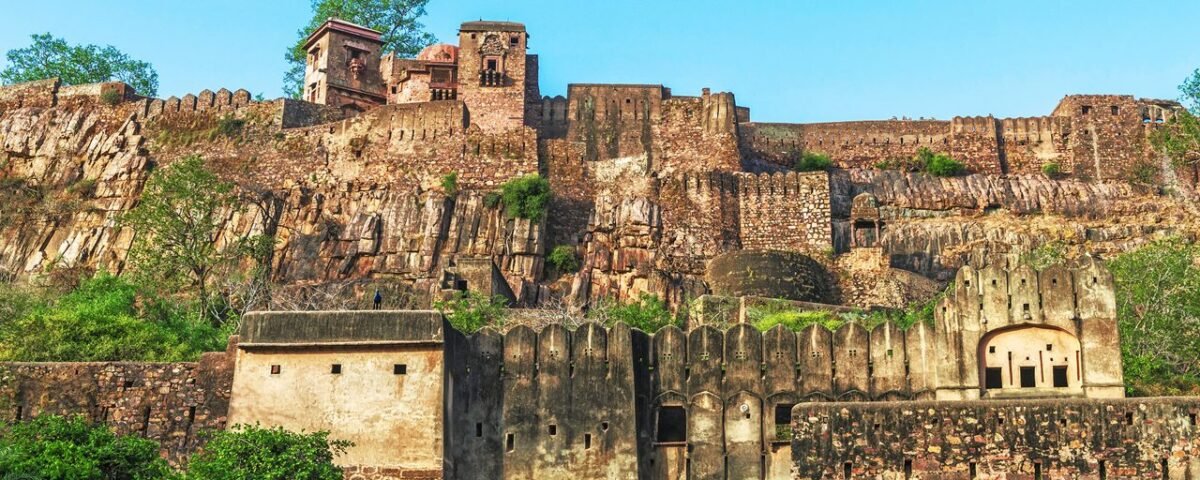
The Ranthambore Fort stands as a formidable sentinel within the heart of the national park, offering a profound glimpse into India’s rich history while serving as an iconic backdrop for travelers seeking the best resort in Ranthambore. This massive structure, perched atop a steep hill, is a testament to the ingenuity of medieval engineering and the strategic prowess of the Chauhan dynasty. As you plan your visit to this majestic landscape, choosing the right accommodation becomes essential, especially when considering a specialized Ranthambore 2N 3D Couple Package designed to offer both comfort and proximity to the wilderness.
Strategic Location and Historical Significance
Sprawled across a hilltop in Rajasthan, Ranthambore Fort is surrounded by the dense foliage of the Ranthambore National Park. Known historically as a pivotal stronghold in northern India, its location was chosen specifically for its defensive advantages. The fort provides an elevated vantage point that allowed ancient rulers to monitor the surrounding plains and forests with ease. Its resilience against multiple sieges throughout the centuries has earned it a place on the UNESCO World Heritage list. When you step inside these stone walls, you are not just walking through a building; you are tracing the footsteps of warriors, kings, and poets who once shaped the destiny of the region. The sheer scale of the fortification, coupled with the lush greenery of the valley below, creates an aesthetic contrast that fascinates historians and casual observers alike.
Architectural Ingenuity of the Chauhan Dynasty
The architecture of the fort is a classic example of medieval military fortification, characterized by massive stone walls, intricate gateways, and high battlements. One of the most striking features is the Toran Dwar, a beautiful entrance arch that showcases the ornate craftsmanship prevalent during that era. Within the complex, you will find several historic structures, including the Hammir Court, a pillared hall that speaks volumes about the opulent lifestyle of the ruling elites. The presence of temples dedicated to various deities highlights the religious importance the site held for its inhabitants. The use of locally sourced red sandstone, which blends seamlessly with the natural rock formations, demonstrates an early understanding of sustainable and site-responsive architecture. The ingenuity lies in how the walls were constructed to follow the natural contours of the hill, making the fort nearly impregnable in its prime.
The Spiritual Heart: Ganesh Temple
A significant aspect of the fort’s enduring legacy is the Trinetra Ganesh Temple, situated within the inner precincts. This temple attracts thousands of pilgrims throughout the year, adding a layer of spiritual depth to the site’s military history. Visitors often climb the rugged path to seek blessings before embarking on their jungle safaris. The blend of architectural grandeur and spiritual devotion makes the fort a multi-faceted destination. Walking through the pathways, one can hear the echoes of ancient chants mixed with the distant calls of the wildlife that inhabit the surrounding forest. This unique combination ensures that the fort remains a vital part of the local cultural identity, transcending its role as a mere historical monument.
Preserving the Legacy for Future Generations
Maintenance and conservation efforts at Ranthambore Fort are paramount to protecting its structural integrity against the elements. The Archaeological Survey of India has undertaken numerous initiatives to restore damaged sections of the ramparts and preserve the intricate carvings found throughout the complex. These efforts ensure that the legacy of the fort remains accessible to global tourists and history enthusiasts. By maintaining the pathways and providing clear information about the fort’s chronology, officials have successfully managed to balance tourism with preservation. It is this commitment to history that draws millions to witness the architectural marvels that define the Rajasthan landscape.
Experience the Wilderness Beyond the Walls
While the fort offers a deep dive into the past, the surrounding Ranthambore National Park offers an unparalleled immersion into nature. After exploring the ancient ruins, guests can retreat to their chosen lodge to relax and reflect on the day’s discoveries. The serene atmosphere of the park, combined with the historical gravity of the fort, creates a perfect balance for a memorable getaway. Whether you are interested in wildlife photography or architectural study, the area provides endless opportunities for exploration. Engaging with local guides who are experts in the regional history further enriches the experience, as they bring the cold stones of the fort to life with tales of bravery and sacrifice. This integration of history and natural beauty makes every visit unique, encouraging travelers to return to these rugged hills time and time again. By understanding the historical context and the architectural nuances of the fort, visitors gain a much greater appreciation for the heritage that sits right in the middle of a premier tiger habitat.