
The Architecture of Umaid Bhawan: Art Deco Meets Rajputs
The Magic Behind Jaisalmer’s Golden City Nickname
March 6, 2026
Luxury Weddings in the City of Lakes: Top Venues in Udaipur
March 7, 2026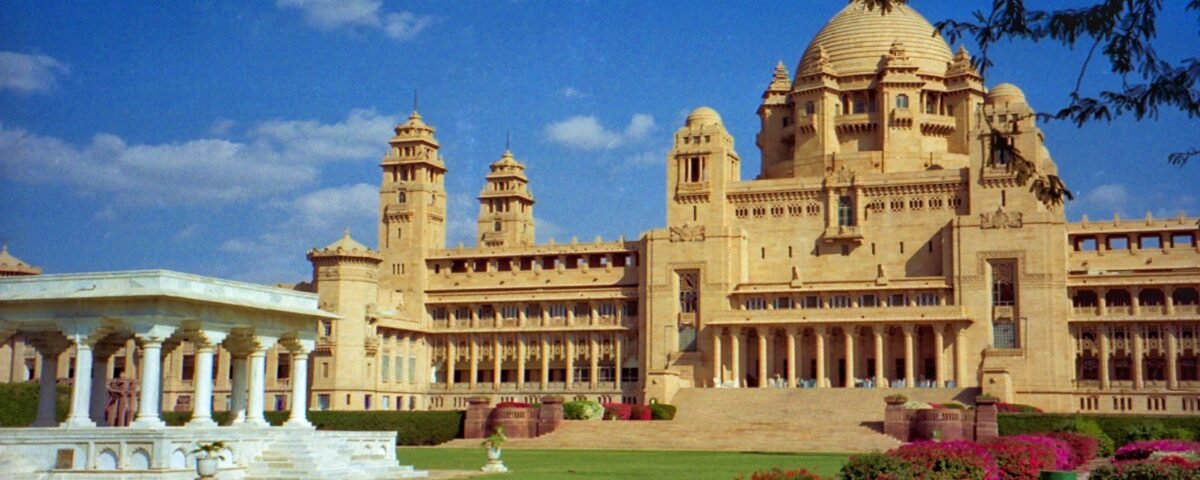
Stepping into the “Blue City” of Rajasthan feels like entering a living museum, where every sandstone carving whispers stories of valor and royalty. While the towering Mehrangarh Fort dominates the skyline with its rugged medieval strength, the Umaid Bhawan Palace offers a sophisticated, modern contrast. For travelers looking to explore this marvel with ease, a reliable Jodhpur taxi service provides the most comfortable way to navigate the city’s historic corridors and reach this hilltop architectural triumph. Built between 1928 and 1943, the palace is not just a residence; it is a monumental bridge between the heritage of the Rathore clan and the avant-garde aesthetics of the early 20th century.
A Vision of Resilience and Modernity
The story of Umaid Bhawan is rooted in more than just a desire for luxury. Maharaja Umaid Singh commissioned the project during a period of severe famine to provide employment for the local population. This noble intent resulted in the creation of one of the world’s largest private residences. Unlike the older palaces that focused purely on defensive Rajasthani architecture, Umaid Bhawan was designed by British architect Henry Vaughan Lanchester. Lanchester was a contemporary of Edwin Lutyens and was deeply influenced by the burgeoning Art Deco movement in Europe. Consequently, the palace became a unique fusion of Eastern grandiosity and Western symmetry.
The Structural Mastery of Chittar Sandstone
Locally known as “Chittar” palace because of the golden-yellow sandstone used in its construction, the building is a masterclass in masonry. One of the most fascinating aspects of its engineering is that the stones were joined using a sophisticated interlocking system, requiring no mortar. This precision ensures that the palace remains cool during the blistering desert summers. For families or large groups planning a Jodhpur sightseeing tour, the sheer scale of the palace is best appreciated when approaching from the winding uphill roads, where the golden stone seems to glow against the azure sky of the city.
Indo-Saracenic Foundations and Art Deco Interiors
The exterior of Umaid Bhawan pays homage to the classic Rajput style with its sprawling balconies, ornate cupolas, and majestic towers. However, as you step inside, the traditional aesthetic gives way to the sleek, streamlined world of Art Deco. This was a radical departure for Indian royalty at the time. The palace features a massive 105-foot high central dome, influenced by the Renaissance style, yet decorated with murals that reflect Indian sensibilities. The symmetrical geometry, exotic wood paneling, and the use of chrome and glass within the hallways are hallmarks of the Art Deco era, making it one of the finest examples of this style in the world.
Navigating the Grandeur
Given the palace’s location on Chittar Hill, logistics are an important consideration for any visitor. The palace is divided into three functional parts: the luxury Taj Hotel, the residence of the royal family, and a public museum. The museum houses a stellar collection of vintage clocks, porcelain, and the Maharaja’s classic car collection. Because the site is sprawling, many visitors find that booking a tempo traveller in jodhpur is the most efficient way for groups to travel together, ensuring that everyone arrives at the museum entrance comfortably without the hassle of multiple vehicles or parking delays.
The Cultural Impact of the Design
The architecture of Umaid Bhawan represents a moment in history where Jodhpur looked toward the future while keeping its roots firmly planted in the desert sand. The integration of modern amenities—such as an indoor subterranean swimming pool (the Zodiac pool) and Edwardian-style plumbing—within a structure that mirrors the majestic silhouettes of ancient forts was a feat of visionary planning. It stands as a symbol of “New Jodhpur,” reflecting a king who was a keen pilot, a polo player, and a man of international tastes.
Expert Travel Tips for Visitors
To truly appreciate the architectural nuances, it is recommended to visit during the “golden hour” just before sunset. The sandstone absorbs the fading light, turning a deep amber that is a photographer’s dream. Since the palace is a bit further from the old city markets, having a dedicated vehicle waiting for you is essential. A professional driver can often share local anecdotes about the royal family and the palace’s history that you won’t find in standard guidebooks. Exploring the lush gardens and the marble squash courts requires a bit of walking, so comfortable footwear is a must. Whether you are an architecture student, a history buff, or a casual traveler, Umaid Bhawan Palace stands as a testament to the fact that when two distinct cultures meet in the hands of masters, the result is nothing short of legendary.