

The Essential 5-Day Marwar Tour: Route, Sights & Top Tips

What to Expect from Desert Camping and Safari at Sam Sand Dunes
October 30, 2026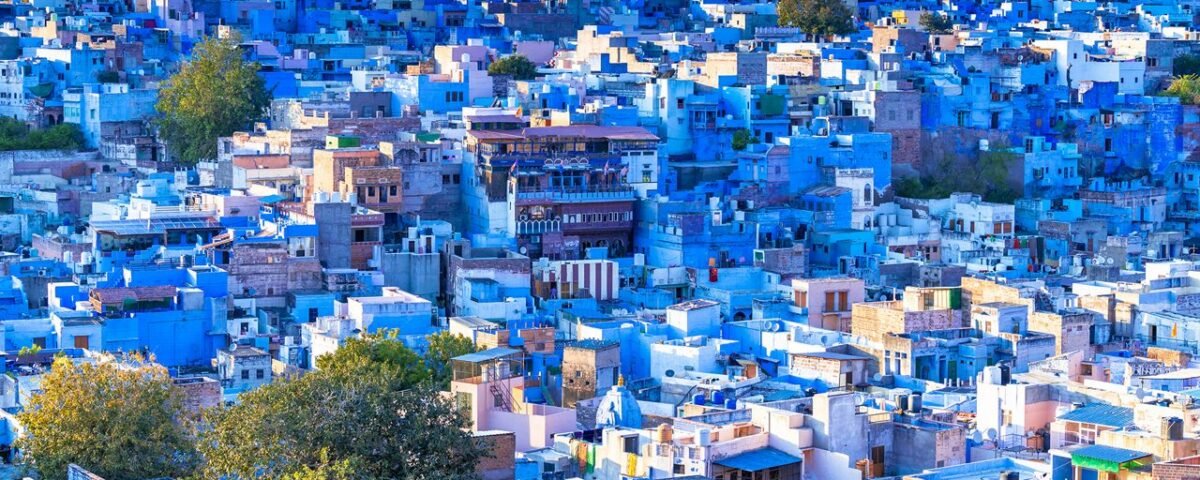
The historic Marwar region of southwestern Rajasthan represents one of the most culturally vibrant desert landscapes in South Asia. Characterized by arid terrain, monumental hill forts, intricately sculpted sandstone cenotaphs, and distinct culinary traditions, this territory offers travelers an intimate encounter with Rathore Rajput heritage. Planning a balanced itinerary through this terrain requires careful consideration of route geometry, transit durations, historical significance, and seasonal logistics. Partnering with a licensed travel agency in Rajasthan allows travelers to navigate these vast desert distances smoothly with experienced local drivers and government-certified regional guides. This comprehensive 5-day guide outlines an authentic route through Jodhpur, Osian, and Nagaur, providing practical field insights, cultural etiquette, and logistical recommendations for an enriching desert expedition.
Day 1: Arrival in Jodhpur and Historic Old City Exploration
The journey commences in Jodhpur, historically known as the capital of Marwar, founded by Rao Jodha in 1459. After arriving via Jodhpur Airport (JDH) or Jodhpur Junction railway station, begin your exploration in the vibrant core of the old walled settlement.
The heart of the old city revolves around Sardar Market and the imposing Ghanta Ghar (Clock Tower). Walking through the narrow alleyways of Navchokiya provides direct visual insight into why Jodhpur earned the moniker of the Blue City. The indigo-hued whitewash on the Brahmin houses historically served to deflect radiant desert heat while acting as an insect repellant.
Spend the late afternoon browsing the local markets for authentic Marwari handicrafts, including hand-dyed bandhani textiles, embroidered leather juttis, and brass utensils. Conclude the evening by sampling regional street delicacies such as mirchi bada and pyaaz kachori from heritage confectioners near the clock tower square.
Day 2: Architectural Grandeur of Mehrangarh Fort and Jaswant Thada
Dedicate the second day to exploring the architectural anchors of Jodhpur. Mehrangarh Fort stands perched perpendicular upon a 410-foot-high volcanic cliff, dominating the city skyline.
Ascend through the seven fortified gates, noting the historic cannonball marks on the second gate and the tragic handprints of royal satis at the iron gate (Loha Pol). Within the palace complex, explore the Sheesh Mahal (Palace of Mirrors), Phool Mahal (Flower Palace), and the extensive collection of elephant howdahs, royal palanquins, and miniature paintings housed inside the Mehrangarh Museum Trust galleries. Hiring a licensed museum audio guide or an official site guide provides valuable context regarding the military engineering and royal court diplomacy of the Rathore dynasty.
A short descent leads to Jaswant Thada, a cenotaph built in 1899 by Maharaja Sardar Singh to commemorate his father, Maharaja Jaswant Singh II. Constructed from intricately carved sheets of pure Makrana marble, the stone panels are polished thin enough to emit a golden glow when illuminated by the desert sun. The surrounding tiered gardens, lakeside pavilion, and carved gazebos offer an ideal vantage point for photographing the fort complex from afar.
For travelers looking to expand this regional circuit into neighboring princely states, selecting a structured majestic Rajasthan getaway tour offers an extended pathway through the lake palaces of Mewar and the golden sands of the Thar.
Day 3: Royal Residences and Journey to the Desert Oasis of Osian
Begin the third morning with a visit to the Umaid Bhawan Palace, completed in 1943 during the reign of Maharaja Umaid Singh. Built using chittar sandstone without mortar, this monument represents one of the world’s largest private residences, blending Art Deco geometry with classical Indian architectural motifs. The on-site museum displays royal vintage automobiles, antique clocks, armory, and ceremonial banquet china.
Following the palace visit, travel northwest along the state highway for approximately 65 kilometers toward Osian, an ancient trading hub situated on the old silk route. Osian is renowned for its remarkably preserved cluster of Hindu and Jain temples dating between the 8th and 11th centuries.
Key religious structures include the Sachiya Mata Temple, dedicated to the guardian deity of the Oswal community, and the multi-shrined Sun Temple. The temple plinths and pillars feature intricate carvings of celestial dancers, mythological deities, and daily trade scenes. Complete the afternoon with a low-impact camel trek across the nearby undulating sand dunes to observe the desert sunset.
Day 4: Heritage Route to Nagaur Fort and Ahhichatragarh
Depart Osian early for a 115-kilometer northeast drive toward the fortified city of Nagaur. This sector highlights the rural landscapes of central Marwar, where travelers frequently encounter herds of Chinkara gazelles and sacred groves preserved by the local Bishnoi community.
Upon arrival, explore Ahhichatragarh (Nagaur Fort), an exceptional example of Rajput-Mughal military and residential architecture recognized by UNESCO for its sensitive conservation. The fort complex features intricate water-cooling channels, fountains, hamams, and wall paintings preserved inside the Deepak Mahal and Hadi Rani Mahal. Walking along the massive double-walled ramparts reveals a defensive perimeter engineered to withstand sustained artillery bombardment during medieval border campaigns.
Travelers seeking a deeply immersive route that emphasizes Rathore statehood and regional fortress architecture often choose a specialized classic marwar tour to explore these lesser-traveled heritage corridors with focused historical narration.
Spend the evening experiencing Marwari hospitality within the heritage properties adjacent to the fortress, enjoying classical folk music played on the ravanahatha and kamaicha instruments.
Day 5: Traditional Culinary Immersion and Departure Logistics
On the final morning of the itinerary, return to Jodhpur (a direct drive of roughly 135 kilometers taking two and a half hours). Dedicate your remaining hours to an authentic Marwari culinary lunch.
A traditional thali presents a specialized desert diet shaped by historical resource constraints. Core staples include:
- Dal Baati Churma: Wheat rolls baked over cow dung cakes, dipped in clarified butter, served alongside spiced lentils and sweetened crumbled grain.
- Ker Sangri: A piquant preparation of wild desert capers and dried beans sourced from the native Khejri tree (Prosopis cineraria).
- Gatte ki Sabzi: Steamed gram flour dumplings simmered in a spiced curd gravy.
- Bajre ki Roti: Dense flatbreads made from pearl millet, served hot with freshly churned white butter (safed makkhan) and raw garlic chutney.
Following lunch, complete any final souvenir acquisitions in the station road bazaar before transferring directly to Jodhpur Airport or Railway Station for onward travel.
Practical Tips for Traveling in the Marwar Region
- Best Season to Visit: Plan your travel between late October and mid-March, when daytime temperatures hover comfortably between 20°C and 28°C. Desert nights can drop sharply below 10°C, requiring adequate layered outerwear.
- Appropriate Attire and Footwear: Wear loose, breathable cotton or linen clothing that covers shoulders and knees to honor cultural norms around temples and active shrines. Slip-on shoes are practical because temple entries require footwear removal.
- Hydration and Health: Maintain continuous hydration using bottled or purified water. Arid breezes accelerate fluid loss without obvious perspiration. Carry electrolyte packets and high-SPF sun protection.
- Photography Permits and Etiquette: Always request verbal permission before photographing local residents, pastoral communities, or ascetics. Fort museums typically charge separate commercial camera and tripod fees at ticket booths.


