
Top Tips to Explore Jawai and Book Best Leopard Safaris

Why Students Are Choosing Hotel Management Today
July 3, 2026
The Ultimate Guide to How Biostimulators Work
July 6, 2026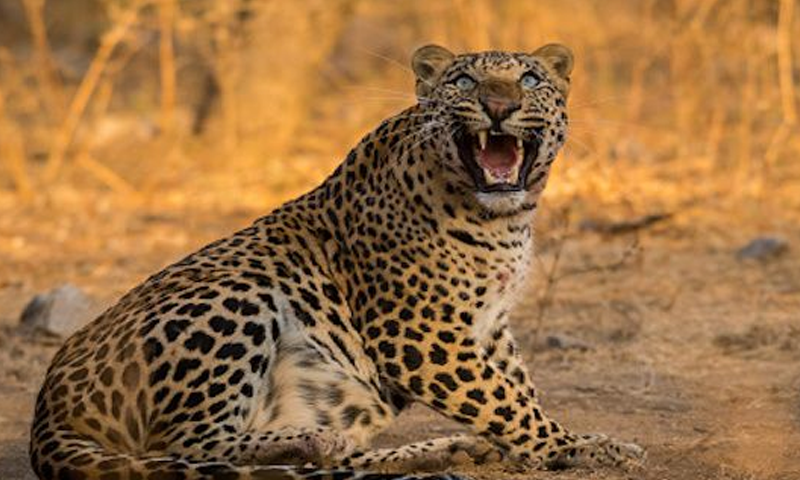
Tucked away amidst the rugged, wind-carved granite hills of western Rajasthan lies an extraordinary landscape where wilderness and human heritage thrive together in harmony. Jawai is famous globally for its unique ecosystem, where wild leopards roam freely among ancient monolithic rocks alongside the local Rabari herdsmen. For travelers seeking a raw, authentic escape from over-commercialized wildlife parks, planning a journey here requires local insight. Choosing the right lakeside retreat, such as a luxury resort in Jawai, ensures your wilderness expedition balances untamed adventure with premium hospitality.
Strategic Timing for Your Wilderness Expedition
Unlike traditional national parks in India that close completely during the monsoon months, Jawai remains open for exploration throughout the entire year. However, your viewing goals should dictate exactly when you finalize your travel dates.
The peak winter months running from October through March bring pleasant temperatures hovering around 15°C to 25°C, making it exceptionally comfortable for tracking wildlife across the open terrain. During this cool season, leopards frequently bask openly on the sun-warmed granite rocks during both early mornings and late afternoons. If you happen to travel during the dry summer months from April to June, the midday heat forces wildlife down toward the drying banks of the Jawai Dam reservoir, creating incredible opportunities to view apex predators and marsh crocodiles gathered near the remaining water pools.
Choosing Your Safari Slots Wisely
To maximize your photographic opportunities, choosing the correct timing for your drives is crucial. Jawai wildlife tracking operates primarily in two distinct intervals each day.
The morning tracking drive typically begins at first light, around 5:30 AM or 6:00 AM depending on the season. This early slot holds the statistically highest probability for tracking big cats, as leopards are highly active under the cover of night and tend to linger on the open hillsides before retiring deep into cave complexes to escape the rising sun. Conversely, the afternoon drive commences around 3:30 PM, offering the dramatic lighting of the Rajasthani golden hour. While afternoon drives provide spectacular backdrops for landscape photography, they also feature dense aggregations of migratory birds along the wetland borders.
Booking an Authentic Local Tracker
The secret behind Jawai’s legendary sighting rates does not rely on tracking collars or fenced enclosures; it relies entirely on the ancestral knowledge of the local trackers. When booking your custom leopard safari in jawai, it is essential to utilize open 4×4 safari jeeps accompanied by a certified regional guide.
Local trackers read the behavioral patterns of the wilderness, decoding warning calls from langurs and peacocks to pinpoint exact animal locations. Because these granite formations feature steep, off-road angles, specialized open vehicles driven by experienced operators are mandatory for safe navigation. Opting for private vehicular safaris rather than shared options allows you the freedom to linger at specific rock formations, giving you the patience required to observe natural predator interactions without a rushed schedule.
Navigating the Terrain with Proper Etiquette
Respecting the local environment is fundamental to upholding the safety standards of this fragile wildlife habitat. Because the leopards of this region have coexisted peacefully alongside the red-turbaned Rabari shepherds for centuries, they exhibit a calm demeanor around open vehicles, provided human visitors adhere to proper field protocols.
When packing your gear, select clothing featuring earthy, neutral tones such as olive green, khaki, brown, or stone gray. Bright primary colors disrupt the natural visual landscape and can cause wildlife to retreat into inaccessible caves. Inside the vehicle, maintaining absolute silence is non-negotiable. Sudden loud noises or sharp vocalizations can startle a hunting predator or ruin a sighting for nearby vehicles. Furthermore, ensure that camera flashes are turned completely off, as artificial light bursts cause immediate distress to nocturnal eyes.
Immerse Yourself in the Cultural and Avian Wonders
While the big cats dominate the headlines, the broader ecosystem of the area offers multi-layered dimensions that deserve a spot on your itinerary. Dedicating a portion of your stay to exploring the varied topography reveals a sanctuary teeming with biological diversity.
The vast backwaters of the local dam form a critical wetland corridor that hosts more than a hundred species of migratory birds during the winter season. Here, you can easily view large flocks of flamingos, sarus cranes, bar-headed geese, and painted storks feeding along the shallows. Just a short distance from the water’s edge, massive marsh crocodiles can be observed sunning themselves on the sandy banks. Complementing this natural display is the opportunity to experience a guided cultural walk through a traditional village, where you can learn firsthand how indigenous communities maintain their inspiring, conflict-free bond with local predators.
Elevating Your Stay with Exceptional Culinary Experiences
A day of tracking wildlife across rugged granite landscapes demands a restful evening centered around exceptional comfort and culinary care. Finding a property that features the Best Dining Restaurant in Jawai allows you to transition seamlessly from a thrilling dusty trail to a refined evening of fine dining.
Top-tier wilderness lodges elevate your stay by curating bespoke dining experiences that honor regional flavors while maintaining international standards. Imagine returning from a successful evening tracking drive to gather around a crackling bonfire, enjoying authentic wood-fired Rajasthani delicacies prepared with organic ingredients sourced directly from nearby village farms. From panoramic rooftop terraces overlooking the vast reservoir to private bush dinners served under a star-filled desert sky, pairing your wildlife adventures with curated gastronomic journeys transforms a standard vacation into a holistic sensory celebration of Rajasthan’s raw beauty.