
Why Jaipur Stands Out as India’s Top Sightseeing Destination

Key Factors for Selecting Your Kumbhalgarh Wedding Resort
August 5, 2026
Is a Resort Stay Near Ranthambore Best for Tiger Safaris?
August 5, 2026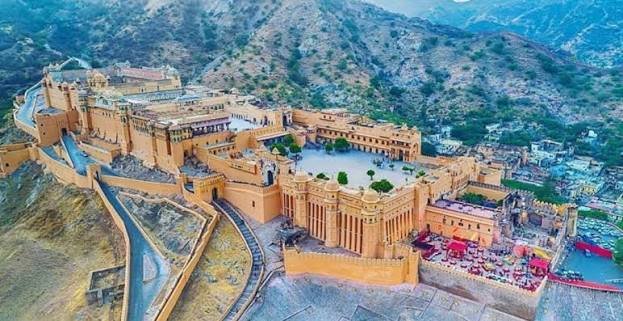
Jaipur, the vibrant capital of Rajasthan, occupies a unique place in global tourism. Founded in 1727 by Maharaja Sawai Jai Singh II, Jaipur was India’s first planned city, built on ancient Vastu Shastra principles and structured around a precise nine-grid system. Known universally as the “Pink City” after Maharaja Ram Singh painted its historic center terracotta pink in 1876 to welcome the Prince of Wales, Jaipur combines architectural splendor, living royal traditions, and rich artisan heritage. Unlike destinations where history resides solely in museums, Jaipur offers an immersive living heritage where centuries-old bazaars, royal descendants, and ancient culinary crafts thrive side by side.
1. World-Class Forts and Architectural Genius
The skyline of Jaipur is defined by dramatic hilltop fortifications and sprawling royal residences that capture the grandeur of Rajputana. Perched atop the Aravalli Hills, Amer Fort stands as a masterclass in Indo-Islamic architecture, featuring intricate red sandstone and white marble construction, lush courtyards, and the shimmering Sheesh Mahal (Mirror Palace). Further up the ridge, Jaigarh Fort houses the Jaivana cannon—once the world’s largest cannon on wheels—and offers formidable defense structures that were never breached in battle. Nearby, Nahargarh Fort provides breathtaking panoramic views over the sprawling city, making it a favorite vantage point for sunset enthusiasts. Below in the valley, the ethereal Jal Mahal appears to float serenely on the waters of Man Sagar Lake. Navigating these expansive sites with expert local guidance from a trustworthy tour operator in Rajasthan ensures visitors gain authentic historical context, bypass long entry queues, and discover lesser-known vantage points across the Aravalli ridge.
2. UNESCO World Heritage Heritage in the Urban Heart
At the center of the walled city lies the iconic City Palace, a complex that remains the residence of Jaipur’s royal family. Within its gates, visitors explore the Mubarak Mahal, the silver-vessel lined Diwan-i-Khas, and the legendary Pritam Niwas Chowk, famous for its four peacock gates representing the four seasons. Just outside the palace walls stands Hawa Mahal, or the “Palace of Winds”. Built in 1799 by Maharaja Sawai Pratap Singh, its honeycomb exterior features 953 delicate latticed jharokhas designed to allow royal women to observe street processions without being seen. Adjacent to Hawa Mahal is Jantar Mantar, an 18th-century astronomical observatory designated as a UNESCO World Heritage Site. Featuring nineteen architectural astronomical instruments, including the world’s largest stone sundial (Vrihat Samrat Yantra), Jantar Mantar demonstrates the remarkable scientific foresight of Jaipur’s founding monarch.
3. Vibrant Bazaars and Living Craft Traditions
Sightseeing in Jaipur extends far beyond monuments; it is an active engagement with centuries-old craft traditions. The pink-walled avenues of the old city are organized into specialized artisan markets. Johari Bazaar is renowned worldwide for precious gemstones, Kundan jewelry, and traditional Meenakari enamel artwork. Bapu Bazaar and Nehru Bazaar offer authentic Rajasthani textiles, block-printed fabrics, and handcrafted leather mojris (footwear). Visiting local workshops allows travelers to watch master artisans practice hand-block printing using natural vegetable dyes, an art form preserved for generations in nearby Sanganer and Bagru. Culinary exploration is equally vital to the Jaipur experience. Travelers can savor classic dishes such as Dal Baati Churma, spicy Laal Maas, crisp Pyaaz Kachori, and traditional seasonal sweets like Ghewar from heritage sweet shops.
4. Structuring the Perfect Jaipur Itinerary
To fully absorb the historical depth, architectural beauty, and vibrant culture of Jaipur, thoughtful travel planning is essential. A well-structured itinerary balances major monument visits with leisure time for market walks, cultural performances, and culinary experiences. First-time visitors generally benefit from a tailored Jaipur three days tour, which allows ample time to cover the core circuits:
- Day 1: Amber Fort, Jal Mahal, Jaigarh Fort, and evening sunset views at Nahargarh Fort.
- Day 2: City Palace, Jantar Mantar observatory, Hawa Mahal, and a guided heritage walk through Johari Bazaar.
- Day 3: Albert Hall Museum, Patrika Gate, Central Park, and hands-on block printing or pottery workshops.
5. Gateway to Royal Rajasthan Travel
Jaipur serves as the primary gateway to the desert state, forming an anchor leg of India’s celebrated Golden Triangle circuit alongside Delhi and Agra. Its modern international airport, extensive rail network, and high-speed expressways make it the seamless starting point for exploring the wider region. Whether travelers wish to extend their journey toward the blue city of Jodhpur, the romantic lakes of Udaipur, or the golden sand dunes of Jaisalmer, Jaipur provides the ultimate introduction to royal hospitality. Booking an all-inclusive Rajasthan holiday tour connects Jaipur’s urban heritage with heritage palace stays, desert safaris, and wilderness experiences across the state.
Through its grand architecture, living traditions, and warm hospitality, Jaipur consistently stands out as India’s premier sightseeing destination for global travelers seeking an authentic royal experience.