
How Prince Albert Inspired the Pink Color of Jaipur City

The Timeless Elegance of Marble: Is It Right for Your Home?
March 19, 2026
Exploring Ajmer and Pushkar: Top Attractions & Day Trips
March 19, 2026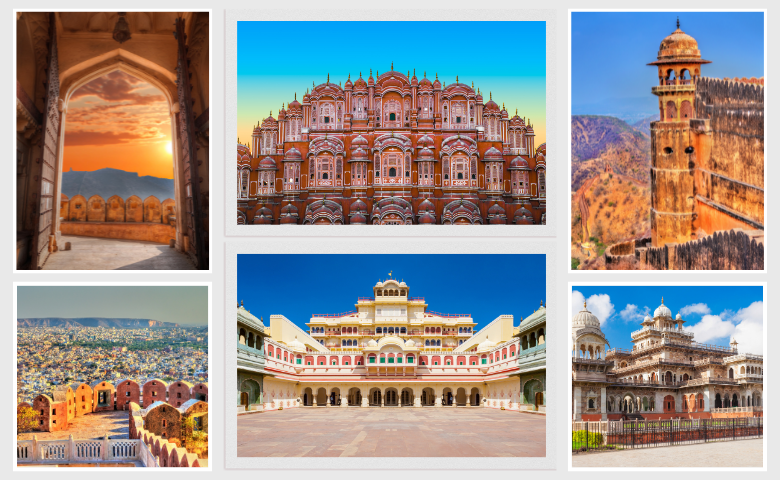
The history of Rajasthan is a vibrant tapestry woven with tales of chivalry, architectural brilliance, and grand diplomatic gestures. Among the most iconic visual identities in the world is the “Pink City” of Jaipur. While many travelers booking a taxi in jodhpur focus on the blue hues of the Marwar region, the transition to the terracotta-pink streets of Jaipur marks a significant chapter in Indo-British history. The transformation of Jaipur into its signature shade wasn’t a mere aesthetic whim; it was a strategic and welcoming gesture rooted in the royal visit of Prince Albert in 1876.
The Vision of Maharaja Sawai Ram Singh II
To understand why Jaipur turned pink, one must look at the ruler of the time, Maharaja Sawai Ram Singh II. He was known as an enlightened and progressive monarch who sought to modernize his state while maintaining its cultural prestige. In the mid-19th century, the British Empire’s influence was peaking, and royal visits were high-stakes diplomatic events. When it was announced that Prince Albert, the Prince of Wales (and later King Edward VII), would visit Jaipur during his grand tour of India, the Maharaja sought a way to leave an indelible impression.
The Symbolism of the Color Pink
In Indian culture, specifically within the Rajput tradition, the color pink—or more accurately, a warm, earthy terracotta tone—represents hospitality. Choosing this specific pigment was a calculated move to signal that the city was an open, welcoming host to the British royal. At the time, Jaipur was built primarily from pale yellow or grey sandstone. To create a uniform and striking appearance, the Maharaja ordered that every building in the city’s historical center be painted in this welcoming hue. The result was a stunning monochromatic landscape that captivated the visiting Prince and his entourage.
Prince Albert’s Lasting Impression
When Prince Albert arrived in 1876, he was reportedly mesmerized by the coordinated beauty of the city. It is often said that it was the Prince’s own admiration for the color that led to the “Pink City” moniker becoming a global brand. To further commemorate the royal visit and the Prince’s interest in the arts and sciences, the Maharaja commissioned the construction of the Albert Hall Museum. Today, many visitors opting for a Jaipur sightseeing taxi make this museum their first stop, as its Indo-Saracenic architecture serves as a permanent tribute to the friendship between the two royals.
Legislation for Preservation
The impact of Prince Albert’s visit was so profound that the Maharaja’s favorite queen reportedly loved the new look of the city so much that she convinced him to pass a law. In 1877, a decree was issued making it illegal for buildings in the old city to be painted any color other than the approved “Jaipur Pink.” This law remains influential today, ensuring that the historical integrity of the city is preserved for future generations. When you walk through the Johari Bazaar or stand before the Hawa Mahal, you are seeing a color scheme that has remained virtually unchanged for nearly 150 years.
Exploring the Pink City and Beyond
Travelers exploring Rajasthan often find that the best way to appreciate these historical nuances is through a well-planned itinerary that connects the various princely states. While Jaipur holds the title of the Pink City, the surrounding regions offer their own unique heritage. For larger groups or families traveling together, a jodhpur tempo traveller provides the space and comfort needed to traverse the desert landscape between Jodhpur’s Mehrangarh Fort and Jaipur’s City Palace. The journey between these cities is not just a change in geography, but a transition between different eras of Rajputana history.
The Architectural Legacy of the Visit
The “Pink City” is more than just a coat of paint; it is a testament to the urban planning of Sawai Jai Singh II, the city’s founder, enhanced by the diplomatic foresight of Ram Singh II. The wide avenues and gridded layout of Jaipur were revolutionary for the 18th century, and the pink pigment acted as a unifying layer that highlighted the intricate white lime-paints used for floral motifs on the facades. This combination of color and architecture is what makes Jaipur a UNESCO World Heritage site today.
The Modern Experience of History
Today, the legacy of Prince Albert’s visit continues to draw millions of tourists. The hospitality that the color pink originally symbolized is still felt in the bustling markets and the grand heritage hotels. Whether you are navigating the narrow lanes of the old city or taking in a sunset at Nahargarh Fort, the terracotta walls serve as a reminder of a time when a simple change in color could redefine a city’s identity forever. Understanding this history adds a layer of depth to every photograph and every step taken within the city walls.