
Exploring Sawai Madhopur: Best Spots for Your Next Trip

Shopping and Sightseeing in Jodhpur’s Famous Clock Tower Area
April 17, 2026
Beyond Mehrangarh: Unique Activities for Your Jodhpur Weekend Trip
April 18, 2026Exploring Sawai Madhopur: Best Spots for Your Next Trip
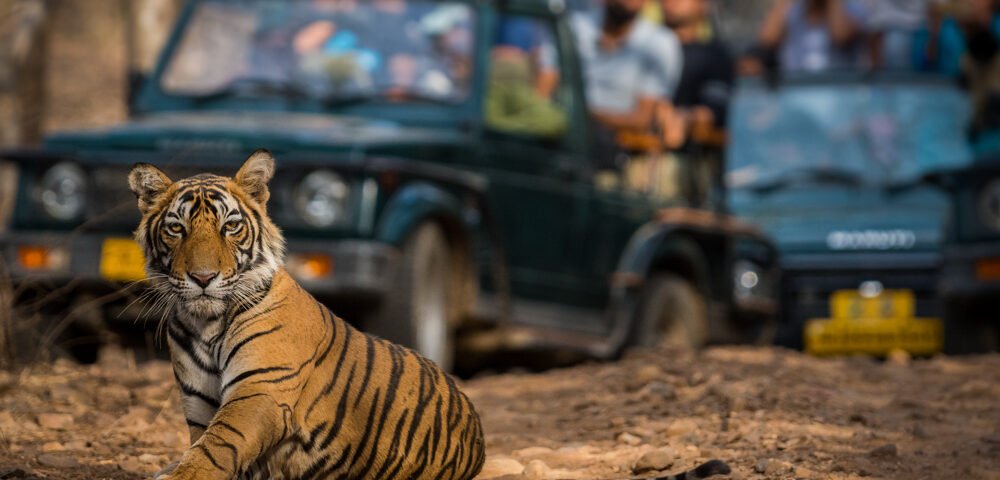
Showstopper A tiger cub at Ranthambore Tiger Reserve, India
Sawai Madhopur is much more than a gateway to a national park; it is a landscape where history and the wild coexist in a delicate, beautiful balance. For travelers seeking a blend of luxury and raw nature, staying at the best resort in Ranthambore provides a centered experience that allows for deep exploration of the Aravalli hills. The town serves as a vibrant cultural hub, offering a unique glimpse into the royal heritage of Rajasthan while maintaining an atmosphere of tranquility that is hard to find in more commercialized tourist destinations.
The Architectural Grandeur of Ranthambore Fort
Perched high above the plains, the Ranthambore Fort is a UNESCO World Heritage site that dates back to the 10th century. This massive fortification serves as a silent witness to the rise and fall of several dynasties. Walking through its grand gates, such as the Navlakha Pol and Hathi Pol, visitors can explore ancient temples, step wells, and palaces that are now reclaimed by the forest. The fort offers a stunning panoramic view of the three lakes—Padam Talao, Raj Talao, and Malik Talao—where wildlife often gathers, making it a prime spot for both history buffs and landscape photographers.
Witnessing the King of the Jungle
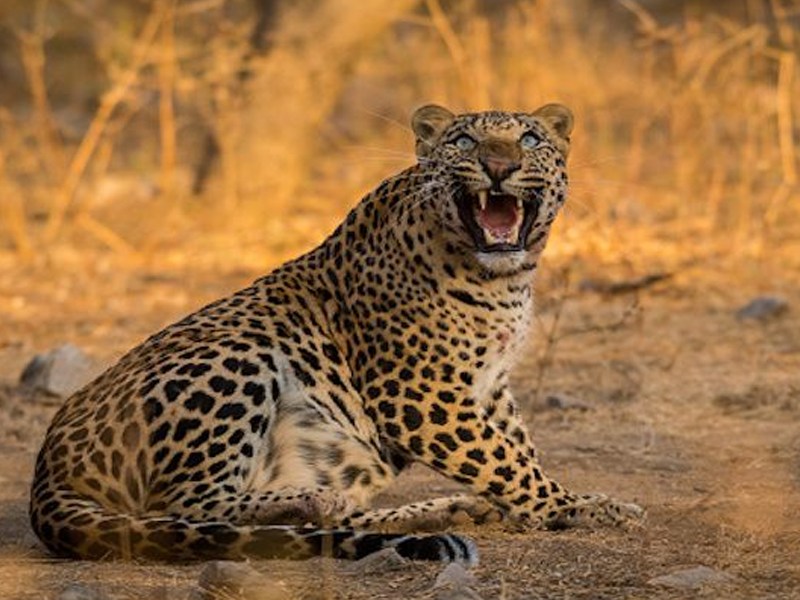
The primary draw for most visitors is the chance to see the Royal Bengal Tiger in its natural habitat. The national park’s unique topography of dry deciduous forests and open grassy meadows makes it one of the best places in the world for wildlife sightings. Embarking on a jeep safari in Ranthambore is the most effective way to navigate the rugged trails and increase your chances of a close encounter. Beyond tigers, the park is home to leopards, sloth bears, and over 300 species of birds, ensuring that every drive into the core area is filled with anticipation and discovery.
Spiritual Significance and Local Traditions
One of the most revered sites in the region is the Trinetra Ganesha Temple located within the fort ramparts. Unlike any other Ganesha temple, the deity here is depicted with three eyes, and it holds a special place in the hearts of locals and pilgrims across India. It is a common tradition for people to send wedding invitations and letters to “Lord Ganesha” here, which the priests read out daily. Experiencing the evening aarti (prayer) amidst the sound of bells and chanting offers a profound spiritual connection that complements the physical adventure of the jungle.
Diversifying Your Itinerary
While the tigers often take center stage, there are numerous other things to do Sawai Madhopur that enrich a traveler’s journey. A visit to the Rajiv Gandhi Regional Museum of Natural History provides excellent educational context regarding the region’s flora and fauna. For those interested in local crafts, the Dastkar Ranthambore project is a wonderful initiative that supports local village women. Here, you can find exquisite block-printed textiles, pottery, and leatherwork, providing a sustainable way to take a piece of Rajasthan’s artistic heritage home with you.
Exploring the Chambal River Sanctuary
Located a short drive from the main town, the National Chambal Gharial Sanctuary offers a starkly different ecosystem. A boat safari on the calm waters of the Chambal River allows you to see the critically endangered Gharial (long-snouted crocodile) and the rare Gangetic River Dolphin. The riverbanks are also a haven for migratory birds during the winter months. This serene excursion is the perfect counterpoint to the dusty, high-energy atmosphere of the forest safaris, offering peace and a different perspective on the region’s biodiversity.
Sustainable Tourism and Wildlife Conservation
Traveling to a sensitive ecological zone requires a commitment to responsible tourism. Ranthambore Tiger Resort emphasizes the importance of preserving the natural balance by educating guests on jungle etiquette. This includes maintaining silence during safaris, avoiding the use of plastics, and respecting the boundaries of the wildlife. By choosing eco-conscious stay options and participating in guided tours led by experienced naturalists, travelers contribute to the ongoing conservation efforts that keep the tiger population thriving in this historic landscape.
Planning Your Visit for Maximum Impact
To truly soak in the essence of Sawai Madhopur, timing is essential. The winter months from October to March offer the most pleasant weather for exploring the fort and the park. However, for those specifically interested in tiger sightings, the hotter months of April to June are often more productive as animals frequent the drying water holes. Regardless of when you visit, the combination of ancient stone ruins, golden grasslands, and the thrill of the wild ensures that a trip to this part of Rajasthan is an unforgettable chapter in any travel story.