
Monsoon Magic: Why Visit Udaipur Now?

Understanding Marble: Durability, Style, and Maintenance Tips
June 18, 2026
Discover Ranthambore: Top 5 Must-See Sightseeing Spots
June 19, 2026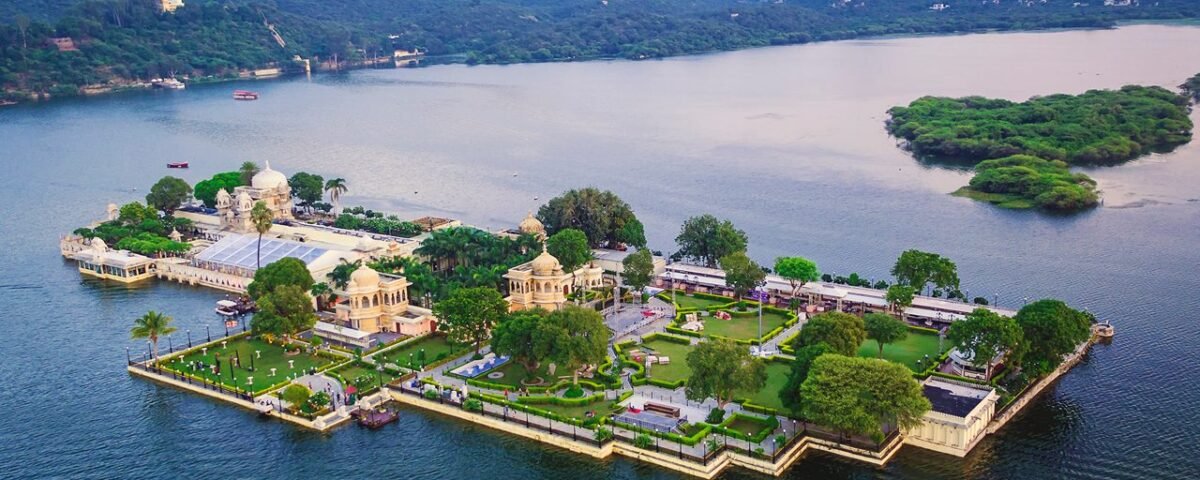
There is a unique charm to witnessing a desert state embrace the arrival of rain. While Rajasthan is globally celebrated for its sun-drenched palaces and vibrant dune culture, the historic city of Udaipur transforms into an entirely different world from July to September. Known as the City of Lakes, the arrival of the monsoon season breathes new life into its historic architecture and surrounding hills. Finding a reliable travel agency in udaipur during this period allows you to experience this transformation seamlessly, bypassing the logistical hurdles of rainy-day travel while discovering the city’s most scenic routes.
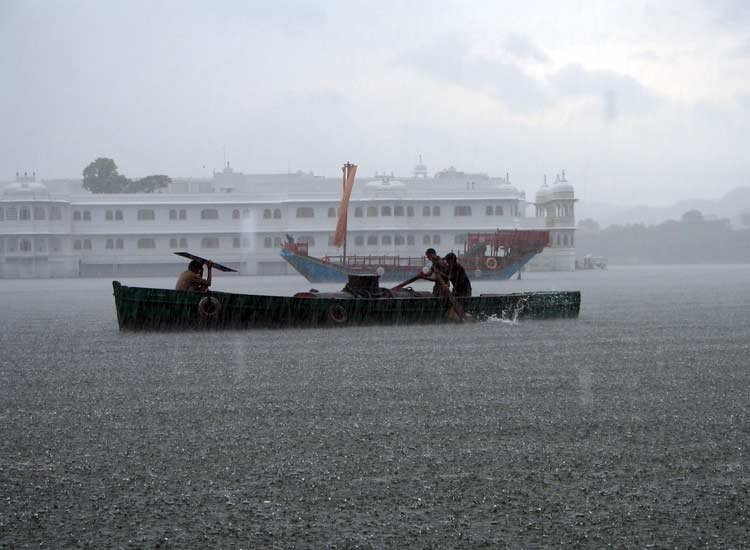
The landscape undergoes a sudden and dramatic shift. The Aravalli Range, which cradles the city, sheds its dry summer coat for a vibrant, velvet green. The air grows crisp, the relentless summer heat breaks, and a misty fog often rolls across the water, partially veiling the grand palaces. For travelers seeking a mix of cultural heritage and tranquil natural beauty, the monsoon months offer an unparalleled perspective on this iconic destination.
The Rebirth of the Lakes
Udaipur’s identity is permanently tied to its water bodies. During the scorching summer months, lake levels naturally recede, but the monsoon rains act as a massive reset button. Lake Pichola, Fateh Sagar Lake, and Badi Lake fill to the brim, creating a spectacular visual where massive stone palaces appear to float effortlessly on the water’s surface.
Watching the rain ripple across Lake Pichola while sitting in a lakeside cafe is an experience that definitions cannot quite capture. The historic ghats, usually bustling with daily activity, take on a contemplative atmosphere as the sky darkens with heavy clouds. Fateh Sagar Lake becomes a major hub for locals and visitors alike, who gather along the promenade to enjoy the cool breeze, hot local snacks, and the sight of the lake’s overflow gates opening if the rainfall is heavy enough.
The View from the Clouds: Monsoon Palace
No monsoon trip to the city is complete without a winding journey up to the Sajjangarh Palace, aptly nicknamed the Monsoon Palace. Perched high on a hill overlooking the entire valley, this 19th-century residential palace was specifically built by Maharana Sajjan Singh to watch the progress of the monsoon clouds across the region.
When you visit during a downpour, you are quite literally standing inside the clouds. The panoramic view from the palace terrace shows Udaipur’s white marble architecture contrasted against the deep green of the surrounding hills and the expansive, filled lakes. The drive up the winding hill through the surrounding wildlife sanctuary is equally captivating, offering glimpses of local flora and fauna revitalized by the rains. Booking a dependable taxi in udaipur ensures that navigating these slick, winding mountain roads remains safe, comfortable, and stress-free.
Exploring the City Safely and Comfortably
While the rain adds romance and beauty to the scenery, it also introduces practical challenges for travelers. Heritage cities feature narrow lanes, stone-paved roads that can become slippery, and sudden downpours that might catch you off guard while exploring open-air courtyards.
To truly appreciate the architecture without constantly worrying about weather disruptions, arranging a structured udaipur sightseeing tour is the most practical choice. Having a dedicated vehicle waiting for you means you can explore sprawling complexes like the City Palace or the intricately carved Jagdish Temple at your own pace, stepping back into a dry, climate-controlled environment the moment a heavy shower begins. It allows you to maintain your itinerary regardless of what the skies are doing.
Cultural Delights and Rainy Day Comforts
The local culture adapts beautifully to the changing weather, offering distinct experiences that you won’t find during the peak winter tourist season.
- Culinary Traditions: The rainy season in Rajasthan triggers a love for specific local delicacies. It is the perfect time to try hot, freshly fried Mirchi Badas (spiced potato-stuffed chili fritters) and Kachoris from local street vendors, accompanied by a steaming cup of masala chai.
- The Beauty of Saheliyon-ki-Bari: This historic courtyard, known as the Garden of the Maids of Honour, was designed specifically with water architecture in mind. It features numerous marble fountains, lotus pools, and stone elephants that operate entirely using natural water pressure from Fateh Sagar Lake. Experiencing this garden while actual rain mixes with the flowing fountains creates an enchanting, layered sensory experience.
- Fewer Crowds, Better Access: Because winter remains the conventional tourist window, visiting during the monsoon means you get to experience world-class heritage sites without the overwhelming crowds. You can quietly appreciate the detailed mirror work of the City Palace or take a peaceful boat ride without long queues.
Udaipur during the monsoon is a celebration of water, color, and renewed life. By planning your transport and local logistics ahead of time, you can focus entirely on the crisp air, the green hills, and the timeless beauty of a royal city experiencing its most magical season.