

Ranthambore vs Sariska: Which Rajasthan Safari Is Best?

How to Spend 3 Days in Gandhinagar: Best Places & Tips
July 30, 2026
Jaisalmer Weather Guide: Best Months for a Desert Safari
August 1, 2026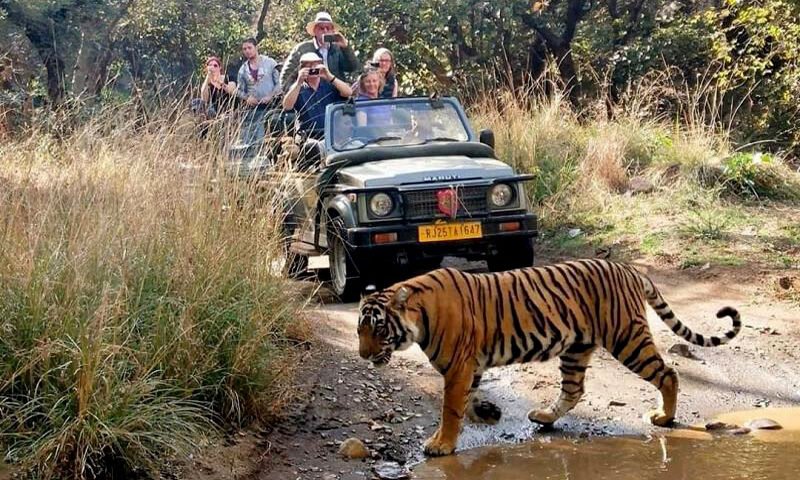
Choosing between Ranthambore National Park and Sariska Tiger Reserve is one of the most common dilemmas wildlife enthusiasts face when planning a trip to Rajasthan. Both sanctuaries sit along the rugged Aravalli range and play pivotal roles in India’s tiger conservation history, yet they offer fundamentally different safari experiences. Having spent years tracking wildlife, hosting travelers, and navigating these forest trails, we understand that picking the “best” reserve depends entirely on what you want out of your wilderness adventure. Here is a clear, expert breakdown comparing terrain, tiger sighting odds, safari dynamics, and overall travel experience.
Landscape and Forest Terrain
The geography of each park influences how you experience the wilderness and how easily wildlife can be spotted.
Ranthambore’s Dramatic Vistas
Ranthambore spans over 1,300 square kilometers, characterized by dry deciduous forests, wide open grasslands, deep gorges, and expansive lakes like Padam Talao. The iconic 10th-century Ranthambore Fort looms above the treeline, giving safari drives a grand, historic backdrop. Because of the open canopy and well-maintained lakes, animals frequently gather near water sources, offering exceptional visibility for photography.
Sariska’s Rugged Wilderness
Sariska covers roughly 881 square kilometers in Alwar district, featuring sharp limestone ridges, narrow valleys, and dense acacia forest. Ancient structures like Kankwari Fort and the Neelkanth temples are tucked deep within the jungle. Sariska feels raw and untamed, but its dense cover and hilly terrain make tracking animals slightly more challenging.
Tiger Population and Sighting Probability
For many travelers, seeing a Royal Bengal Tiger in the wild is the main objective.
- Ranthambore’s High Sightings: With a thriving tiger population exceeding 70 individuals, Ranthambore is globally recognized as one of the best locations to spot wild tigers. The big cats here are accustomed to safari vehicles and often walk along designated tracks.
- Sariska’s Elusive Encounters: Sariska is famous for its groundbreaking tiger reintroduction program after local extinction in 2005. Today, it hosts over 20 tigers. Sightings require patience, skilled tracking, and luck, making every encounter exceptionally rewarding.
If guaranteed higher sighting probabilities are your top priority, Ranthambore holds a distinct advantage.
The Safari Dynamics: Vehicle Choices and Crowd Levels
How you explore the park plays a major role in your comfort and viewing satisfaction.
Both reserves offer 6-seater open 4×4 vehicles and larger 20-seater open vehicles. Booking an open jeep safari in Ranthambore allows visitors to navigate narrow forest tracks across popular zones with skilled drivers and naturalists who can read alarm calls and animal tracks in real time.
Sariska generally experiences lower tourist traffic. You can often drive for long stretches without encountering another vehicle, creating a quiet, solitary wilderness feel. In contrast, Ranthambore’s popularity means higher vehicle density in prime zones during peak season. However, Ranthambore’s strict zone management ensures that vehicles are distributed evenly across the park to protect the ecosystem.
Logistics, Booking, and Safari Costs
Planning ahead is essential for both destinations, especially regarding permits and budget considerations.
- Permit Availability: Ranthambore safari permits are in high demand and often sell out months in advance, particularly for prime zones (Zones 1 through 5). Sariska permits are easier to secure, with walk-in bookings frequently available.
- Pricing Transparency: Safari fees vary based on vehicle type (Jeep vs. Canter), zone allocation, and whether you are an Indian national or foreign tourist. Reviewing the official Ranthambore safari tariff beforehand helps you plan your trip budget accurately without unexpected costs at the gate.
- Accessibility: Sariska is closer to Delhi (around 200 km), making it popular for quick weekend trips. Ranthambore is well-connected via Sawai Madhopur railway station and road links from Jaipur.
Accommodation and Hospitality
Your overall holiday experience is shaped significantly by where you stay after a long day on the dusty trails.
Because Ranthambore is an established international tourism hub, it boasts a diverse selection of luxury resorts, mid-range stays, and eco-lodges. Guests staying at Ranthambore Tiger Resort – Resort in Ranthambore enjoy modern amenities, comfortable rooms, local Rajasthani hospitality, and expert guidance on safari arrangements. Sariska offers fewer accommodation choices, primarily focused on quiet lodges and heritage properties around the buffer zones.
Final Verdict: Which Safari Should You Choose?
- Choose Ranthambore if: You are visiting a tiger reserve for the first time, prioritizing tiger visibility and photographic opportunities, traveling with family, or seeking a well-developed hospitality ecosystem.
- Choose Sariska if: You prefer quiet forest drives away from crowds, enjoy history merged with nature, or are taking a short weekend getaway from the Delhi-NCR region.
Both reserves highlight the rich biodiversity of Rajasthan. However, for high sighting probabilities, breathtaking historical scenery, and a complete safari experience, Ranthambore remains the premier wildlife destination in northern India.