
Jaisalmer Weather Guide: Best Months for a Desert Safari

Ranthambore vs Sariska: Which Rajasthan Safari Is Best?
August 1, 2026
Udaipur Wedding Venues: How to Choose on a Budget
August 1, 2026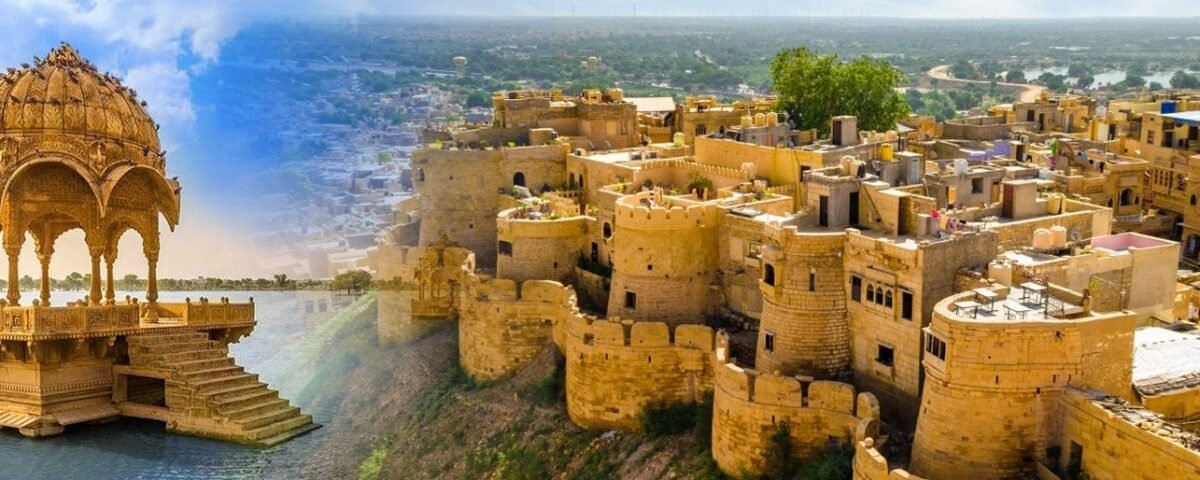
The Thar Desert possesses a hypnotic charm where golden sands stretch toward infinite horizons, ancient folk rhythms echo around evening campfires, and clear night skies offer stargazing experiences unlike anywhere else in India. However, because Jaisalmer is located in the heart of the Great Indian Desert, weather plays a critical role in shaping your travel experience. Temperature variations between day and night can be drastic, and desert winds shift with the seasons.
When planning your luxury stay with Rajwada Desert Camp – desert camp in Jaisalmer, timing your trip with the right weather makes all the difference. Whether you are looking for pleasant afternoon camel rides, high-energy dune bashing, or cozy cultural evenings under the stars, this comprehensive guide breaks down Jaisalmer’s seasonal climate so you can choose the best months for your desert safari adventure.
Navigating the Seasons in the Thar Desert
Understanding the desert climate requires looking beyond simple temperature averages. Sand absorbs heat rapidly during daylight hours and dissipates it just as quickly once the sun dips below the horizon. This microclimate creates distinct seasonal phases, each offering unique advantages and considerations for travelers.
Winter (October to March): The Golden Window
Winter is universally recognized as the best time to visit Jaisalmer. During these months, the intense desert heat vanishes, giving way to crisp mornings, comfortably warm afternoons, and pleasantly cold nights.
- October to November: This period marks the transition from autumn to winter. Daytime temperatures stay around 25°C to 30°C, while night temperatures drop to a comfortable 15°C. It is an ideal window for travelers who prefer moderate warmth during daytime sightseeing and mild desert breezes at night.
- December to January: Peak winter brings the most popular desert camping weather. Daytime highs hover around 20°C to 24°C, making outdoor activities extraordinarily pleasant. Nights can get quite cold, with temperatures occasionally dropping down to 5°C to 8°C in the open dunes. It is the perfect setting for sitting around a crackling bonfire, enjoying authentic Rajasthani folk performances, and indulging in hot culinary delicacies.
- February to March: As winter winds down, February brings vibrant cultural energy to the region. The world-famous Jaisalmer Desert Festival (Maru Mahotsav) takes place during this month, featuring camel races, cultural pageantry, and traditional art forms against the backdrop of Sam Sand Dunes. Temperatures in March begin to rise gradually, but evenings remain refreshingly cool.
Thrill-seekers taking a Jeep Safari in Jaisalmer across the high ripples of Sam Sand Dunes will find the winter morning air crisp and exhilarating, while evening safaris offer breathtaking sunset views over clear desert skies.
Summer (April to June): The Scorching Heat
Summer in the Thar Desert is harsh and unforgiving. Temperatures frequently surpass 40°C during the day and can peak near 45°C or higher in May and June. Hot desert winds known locally as Loo blow across the dunes, making daytime outdoor activities unsafe and uncomfortable.
While most luxury desert camps suspend or limit operations during these months due to extreme weather, budget travelers and solace-seekers sometimes visit early in the morning or late in the evening. However, for a complete desert safari experience with traditional hospitality, summer is generally not recommended.
Monsoon (July to September): An Offbeat Charm
Although Jaisalmer receives minimal rainfall compared to the rest of India, the monsoon season transforms the landscape in subtle ways. Daytime temperatures cool down slightly to around 32°C to 36°C, though humidity levels rise.
- Landscape Shifts: The rain-washed dunes take on a firmer texture, and small patches of green desert vegetation sprout across the terrain.
- Quiet Atmosphere: Tourist crowds are minimal, offering a peaceful environment for travelers who want quiet dunes and discounted seasonal rates.
- Dramatic Skies: Monsoons bring dramatic cloud formations and striking sunsets, which photographers particularly enjoy.
Summary of Seasonal Conditions
| Season | Months | Average Temp (Day / Night) | Safari Recommendation |
| Winter | October – March | 20°C – 28°C / 5°C – 15°C | Best Time (Ideal for camping, safaris & events) |
| Summer | April – June | 38°C – 45°C+ / 25°C – 30°C | Avoid (Extreme heat and hot winds) |
| Monsoon | July – September | 32°C – 36°C / 22°C – 26°C | Moderate (Quiet, offbeat experience) |
Essential Packing Tips for Your Desert Trip
Preparing for the desert’s temperature contrasts ensures a smooth and comfortable journey:
- Layered Clothing: In winter, wear light cottons or breathable fabrics during daytime safari rides, but carry heavy woolens, jackets, or thermal layers for late evenings and early mornings.
- Sun Protection: The desert sun remains strong year-round. Always pack high-SPF sunscreen, UV-protection sunglasses, and a wide-brimmed hat or scarf.
- Footwear: Closed-toe shoes or sturdy boots are recommended for walking on hot sand during safaris, while comfortable sandals work well inside camp premises.
- Hydration Essentials: Desert air rapidly dries out your skin and body. Carry reusable water bottles, lip balm, and skin moisturizer.
Planning Your Ultimate Desert Escape
To make the most of your trip to the Golden City, timing your itinerary is key. Combining historical city exploration with an overnight desert stay allows you to experience Jaisalmer Fort, ancient havelis, Gadisar Lake, and the wilderness of the sand dunes seamlessly. If you are short on time, pairing your safari with a well-crafted Jaisalmer 2 day itinerary ensures you experience both the historic living fort and the open dunes without feeling rushed.
By planning your visit between October and March, you will enjoy comfortable daytime temperatures, glowing golden sunsets, crisp desert nights, and unforgettable Rajasthani cultural hospitality amidst the majestic Thar Desert.