
Plan Your Kashmir Sightseeing Tour: Easy Day-by-Day Guide

Is a Tempo Traveller Ideal for Udaipur Tours?
October 5, 2026
Marble, Granite, or Tiles: A Practical Guide for Homeowners
October 6, 2026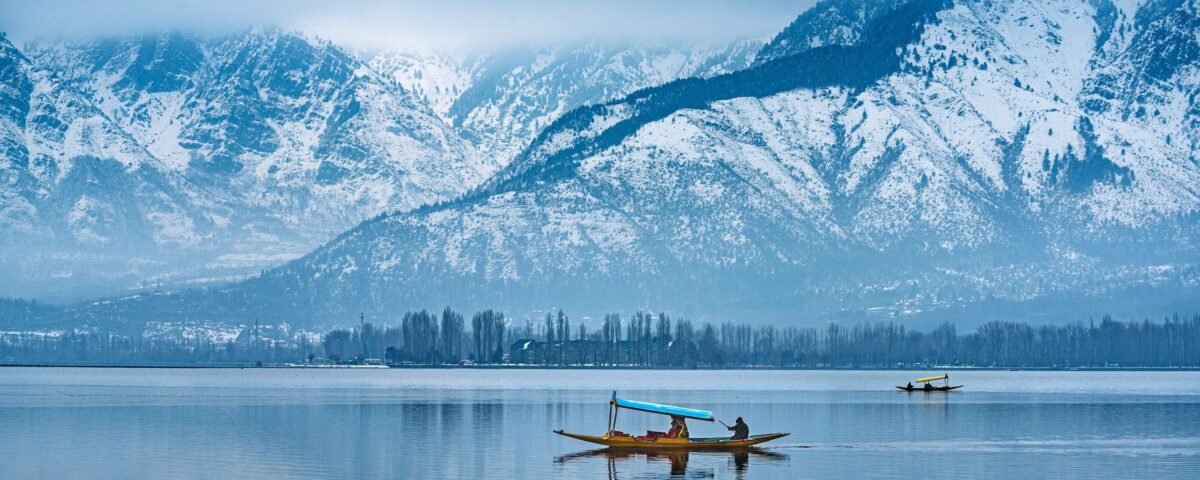
Planning a holiday to the paradise of India requires on-the-ground knowledge, realistic transit times, and a route that balances scenic exploration with relaxed leisure. Nestled in the Pir Panjal and Himalayan ranges, the Kashmir Valley presents stunning landscapes ranging from serene alpine lakes and saffron fields to snow-draped mountain passes. Whether you are traveling as a couple, with family, or with friends, an organized route ensures you experience the distinct character of each destination without spending your entire vacation stuck in mountain transit.
Why a Structured Sightseeing Plan Matters in Kashmir
Navigating mountain roads across Jammu and Kashmir involves checkpoint clearances, high-altitude weather shifts, and localized transit arrangements like pony stands or union-registered cabs. Having an organized schedule helps travelers avoid common pitfalls, such as arriving late for gondola boardings or getting caught in highway traffic near the Jawahar Tunnel or Qazigund corridor. When tourists choose to Book my Kashmir trip, having verified local drivers, pre-cleared houseboat accommodations, and realistic daily itineraries transforms a potentially hectic trip into a seamless holiday.
Day 1: Arrival in Srinagar and Dal Lake Exploration
Your journey begins at Sheikh ul-Alam International Airport in Srinagar. The city sits at an altitude of approximately 1,585 meters, making it an ideal acclimatization base.
- Transfer directly to your pre-booked traditional cedarwood houseboat on Dal Lake or Nigeen Lake.
- Take time to unpack, rest, and enjoy a warm cup of authentic Kashmiri Kahwa brewed with saffron and crushed green cardamom.
- In the late afternoon, step aboard a traditional wooden shikara for a two-hour sunset cruise along the lake waterways.
- Glide past the floating vegetable gardens, vibrant lotus clusters, and historic wooden bridges while observing everyday life on the water.
- Conclude your evening with an authentic wazwan dinner featuring dishes like rogan josh, nadru yakhni, and dum aloo before settling in for a quiet night on the calm water.
Day 2: Srinagar Heritage and Mughal Garden Tour
Dedicate your second day to exploring the horticultural artistry and architecture left behind by the Mughal emperors during the 16th and 17th centuries.
- Begin your morning at Shalimar Bagh, the largest of Srinagar’s royal gardens, commissioned by Emperor Jahangir for his wife Nur Jahan in 1619. Its stepped terraces, carved stone water channels, and ancient chinar trees offer a calm morning stroll.
- Proceed south along Boulevard Road to Nishat Bagh, known as the Garden of Gladness. Laid out against the backdrop of the Zabarwan Mountains, its elevated terraces offer uninterrupted panoramic views across the Dal Lake.
- Stop at Cheshma Shahi to drink from the fresh natural spring waters that have flowed continuously from the hillside for centuries.
- In the afternoon, ascend Koh-e-Maran hill to visit the ancient Shankaracharya Temple, dating back to the 9th century, which provides a 360-degree aerial vista of the entire Srinagar valley.
- Spend your remaining daylight hours browsing the historic Old City (Downtown Srinagar) for pure pashmina shawls, walnut wood carvings, and papier-mâché handicrafts.
Day 3: Excursion to the Meadows of Gulmarg
Located roughly 50 kilometers west of Srinagar, Gulmarg is Asia’s premier winter sports center and a lush highland valley during the summer months.
- Start early to bypass morning commuter traffic along the Narbal-Tangmarg highway route.
- Arrive at the Gulmarg bowl and proceed to the world-famous Gulmarg Gondola. Phase 1 transports passengers up to Kongdori Station at 3,050 meters, while Phase 2 ascends directly to the Apharwat Peak ridge at an altitude of nearly 4,000 meters.
- Take in the breathtaking views of the Pir Panjal range and, on clear days, the distant summit of Nanga Parbat.
- Walk along the historic 1902 St. Mary’s Church and the historic green-roofed Maharani Temple situated atop a central hillock.
- Return to Srinagar by evening, stopping in Tangmarg to sample warm local bakery items such as girda bread and sheer chai.
Day 4: Journey Along the Lidder River to Pahalgam
Travel southeast toward Pahalgam, the Valley of Shepherds, situated at the confluence of the Lidder River and the Sheshnag stream.
- The drive from Srinagar winds through Awantipora, where travelers can briefly view the 9th-century temple ruins dedicated to Lord Vishnu and Lord Shiva, constructed by King Avantivarman.
- Pass through the vast saffron plateaus of Pampore, where violet Crocus sativus blossoms carpet the earth during autumn harvest weeks.
- Upon arriving in Pahalgam, hire local union vehicles to explore the picturesque Aru Valley, a serene base village renowned for trekking paths leading toward Kolahoi Glacier.
- Continue to Betaab Valley, named after the Bollywood feature film shot here, famous for its emerald meadows surrounded by dense deodar and pine forests.
- Visit Chandanwari, the historical starting point for the annual Amarnath Yatra pilgrimage, where glacier snow often remains visible well into summer.
- Spend the evening walking along the riverside market in Pahalgam, taking in the clean mountain breeze and listening to the rushing mountain streams.
Day 5: Discovering Baisaran and the Pine Ridges
Pahalgam’s surrounding hills contain untouched alpine meadows accessible by foot or on horseback.
- Spend the morning ascending the pine-clad paths toward Baisaran Valley, commonly known as Mini Switzerland due to its rolling pastures framed by snow-covered peaks.
- Along the route, enjoy vantage points overlooking the entire Pahalgam town and the winding path of the Lidder River far below.
- Visit the nearby Dabyan and Kashmir Valley viewpoints to witness traditional Gujjar and Bakarwal mud huts and seasonal pastoral camps.
- The afternoon is best spent angling for brown and rainbow trout along designated beats of the Lidder River (subject to seasonal permits from the local fisheries department) or enjoying a calm picnic along the riverbank.
- Check into your valley hotel for a comfortable overnight stay under clear starry skies.
Day 6: Alpine Wonderland of Sonamarg
Depart Pahalgam early to travel toward Sonamarg, the Meadow of Gold, perched along the Srinagar-Leh highway.
- The drive leads you through the Sindh Valley, tracking the turquoise waters of the Sindh River past steep granite cliffs and walnut orchards.
- Sonamarg serves as the historic gateway to Ladakh and sits at an altitude of 2,800 meters, surrounded by towering alpine glaciers.
- Venture toward the Thajiwas Glacier, an iconic snowfield situated at the base of the Sonamarg peak where visitors can walk on packed snow surfaces or take sled rides even during the summer months.
- The surrounding alpine meadows showcase diverse wildflowers, clear glacial rivulets, and raw Himalayan terrain unlike any other valley in the region.
- Those booking comprehensive Kashmir sightseeing tour packages often cite Sonamarg as the most dramatic visual transition from pastoral meadows to rugged high-mountain wilderness.
- Return to Srinagar in the late afternoon for a relaxing final evening in the city.
Day 7: Local Souvenirs, Cultural Walks, and Departure
Use your final morning in the valley to absorb the gentle pace of Kashmiri life before heading to the airport.
- Take an early-morning shikara ride to the floating vegetable market on Dal Lake, where local farmers barter and trade fresh seasonal produce straight from boat to boat in a centuries-old tradition.
- Visit local artisan workshops to purchase authenticated saffron, dried morels (guchhi), mamra almonds, and hand-knotted silk carpets carrying the official GI (Geographical Indication) tag.
- Relish a light lunch featuring traditional seekh kebabs, kanti, and freshly baked flatbreads from an authentic neighborhood bakery.
- Ensure you arrive at Srinagar International Airport at least three hours before your scheduled departure flight to accommodate multi-tier security checks smoothly.
Practical Tips for Your Kashmir Journey
- Weather in Kashmir changes rapidly across mountain passes. Carry layered clothing, including thermal innerwear and waterproof windbreakers, regardless of the travel month.
- Prepaid mobile connections issued outside Jammu and Kashmir do not function within the Union Territory. Visitors should carry a valid postpaid SIM card or obtain a local tourist prepaid connection upon arrival.
- Always schedule day trips to Gulmarg and Sonamarg with early-morning departures to avoid heavy tourist queues at toll gates, pony hubs, and cable car ticket desks.
- Pre-booking all domestic transfers and lodging through verified Kashmir 6 Nights & 7 Days tour packages provides reliable vehicle availability, fair pricing, and dependable itinerary coordination across every valley.