

Best 2-Day Pushkar Tour Itinerary for First-Time Visitors

How to Spend 48 Hours in Gandhinagar: A 2-Day Tour Plan
October 20, 2026
Thrilling Leh Ladakh Road Trip & Pangong Lake Guide
October 21, 2026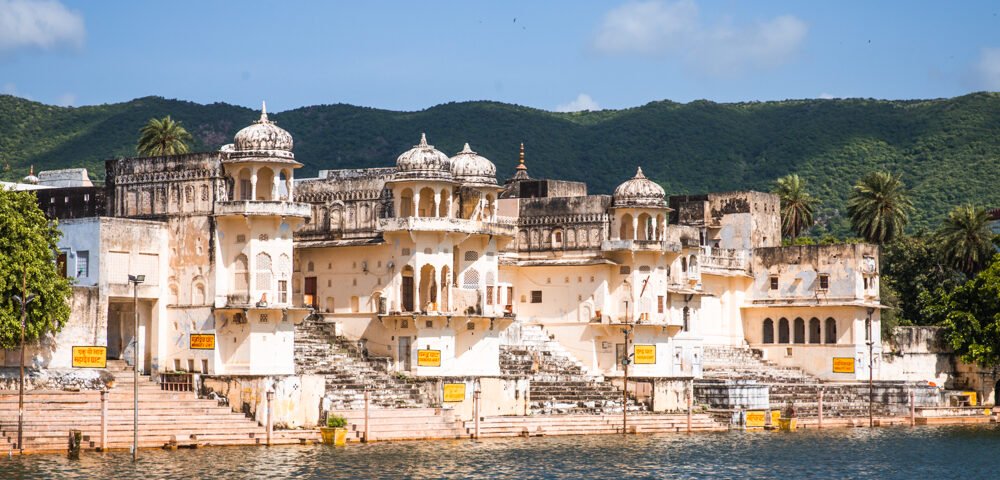
Nestled on the edge of the Thar Desert and surrounded by the rugged Aravalli hills, Pushkar is one of India’s most sacred and culturally rich towns. Known worldwide for its tranquil holy lake, vibrant bazaars, and rare spiritual shrines, this historic destination offers an unforgettable blend of devotion and desert charm. For travelers embarking on their first visit, planning a structured route is essential to experiencing the town’s spiritual solemnity, vibrant street life, and scenic desert sunsets without feeling rushed. As a dedicated Rajasthan travel agency, we have crafted this practical, field-tested 48-hour itinerary to help you navigate Pushkar seamlessly, whether you are seeking sacred heritage, cultural immersion, or peaceful desert vistas.
Day 1: Sacred Ghats, Divine Architecture, and Desert Sunsets
Morning: Arrival and the Holy Pushkar Lake
Begin your journey early in the morning by checking into your accommodation and stepping out toward Pushkar Lake. The lake is considered the spiritual core of the town, encircled by 52 distinct ghats where pilgrims have gathered for centuries. Varaha Ghat and Brahma Ghat are two of the best starting points for a quiet morning walk. You will witness devotees performing morning prayers, ringing brass bells, and taking sacred dips in the calm waters. Stroll along the paved perimeter, take off your footwear at designated entry points as a mark of respect, and absorb the gentle morning chants echoing across the water. Local priests often offer to conduct lakeside blessings; if you choose to participate, agree upon any customary donation beforehand to ensure a calm experience.
Late Morning: Visiting the Sacred Jagatpita Brahma Temple
After your lakeside walk, make your way to the nearby Jagatpita Brahma Temple. Pushkar is universally celebrated for housing one of the few surviving temples dedicated exclusively to Lord Brahma, the creator in Hindu tradition. Dating back to the 14th century with origins tracing even earlier, the structure features distinctive red spires, marble flooring inlaid with silver coins, and a stone image of the four-headed deity. Visitors are advised to store leather items, cameras, and large bags in the lockers available outside before entering the inner sanctum. Visiting before midday allows you to participate in the morning aarti while avoiding the heavier afternoon crowds.
Midday: Heritage Streets and Local Rajasthani Dining
By lunchtime, explore the narrow lanes branching out from the temple complex. Pushkar is renowned for its vegetarian culinary traditions, shaped by its strict holy town statutes. Head to a heritage cafe or traditional diner to enjoy local specialties like steaming dal baati churma, fresh gatte ki sabzi, and crisp malpuas soaked in fragrant saffron syrup. The bustling lanes feature a delightful mix of century-old havelis and colorful rooftop seating areas offering panoramic views over the town.
Afternoon: Desert Safari and Sunset at the Dunes
Around 4:00 PM, take a short drive or a traditional camel ride toward the sandy outskirts of town. Pushkar’s sand dunes provide an open, serene contrast to the compact bazaars of the town center. You can embark on a desert safari or enjoy a slow camel ride across the golden sands as the sun begins to lower over the horizon. The dunes glow in shades of amber and rose, providing outstanding photo opportunities and a tranquil space to unwind after a full day of walking.
Evening: The Grand Maha Aarti at Varaha Ghat
Return to the lakeside just before dusk to attend the evening Maha Aarti at Varaha Ghat. As the sun sets, priests dressed in traditional attire light large multi-tiered brass oil lamps, accompanied by rhythmic drumming, conch shells, and devotional hymns. The reflection of flickering flames across the dark waters creates an atmospheric and moving spiritual experience that defines Pushkar’s timeless charm.
Day 2: Hilltop Sunrise, Sacred Shrines, and Bustling Bazaars
Early Morning: Sunrise Trek to Savitri Devi Temple
Start your second day before dawn by ascending Ratnagiri Hill to visit the Savitri Devi Temple. Located southwest of the lake, this shrine offers the highest vantage point in the entire valley. You can reach the top by climbing approximately 970 stone steps or by taking the convenient ropeway cable car, which operates from early morning. Reaching the summit before sunrise rewards you with an uninterrupted 360-degree vista of Pushkar Lake, the town’s whitewashed buildings, and the vast desert plains bathed in morning light.
Mid-Morning: Architectural Splendor at Old Rangji Temple
Once you descend, delve into Pushkar’s diverse regional architecture by visiting the Old Rangji Temple. Dedicated to Lord Rangji, an incarnation of Lord Vishnu, this impressive 19th-century temple showcases an exquisite blend of South Indian Dravidian gopurams and classic Rajput design elements. The high outer gateway and intricately sculpted stone pillars make it an architectural standout. For culture enthusiasts planning an extensive Rajasthan heritage tour, this monument highlights how regional Indian traditions converged harmoniously within Rajasthan.
Afternoon: Spiritual Circuit and Temple Exploration
Spend your afternoon visiting notable shrines scattered around the town perimeter. Pushkar is home to hundreds of sanctuaries, including the Varaha Temple, which preserves ancient stone carvings dedicated to Lord Vishnu’s boar avatar, and the serene Pap Mochani Temple on the northern hills. If your travel plans focus on broader spiritual circuits across the state, such as an all-inclusive Rajasthan temples tour, understanding Pushkar’s temple history will serve as an ideal foundation for your journey.
Late Afternoon: Artisan Shopping in Pushkar Bazaar
Conclude your stay by wandering through the bustling Pushkar Bazaar. The main market street is a haven for traditional handicrafts, including embroidered textiles, handmade leather footwear, silver jewelry, block-printed fabrics, and rose water produced from locally grown Pushkar roses. Bargaining is standard practice and expected, so negotiate politely as you collect authentic souvenirs.
Practical Travel Tips for First-Time Visitors
- Dress modestly with shoulders and knees covered, especially when visiting ghats and temples.
- Remove your footwear before stepping onto the lake steps and temple precincts.
- Pushkar is entirely vegetarian and alcohol-free due to its religious importance; embrace the rich dairy and street food culture.
- Keep small cash denominations handy for market purchases, locker fees, and offerings.