
Thrilling Leh Ladakh Road Trip & Pangong Lake Guide

Best 2-Day Pushkar Tour Itinerary for First-Time Visitors
October 21, 2026
Why Choose Udaipur for a Dream Wedding
October 21, 2026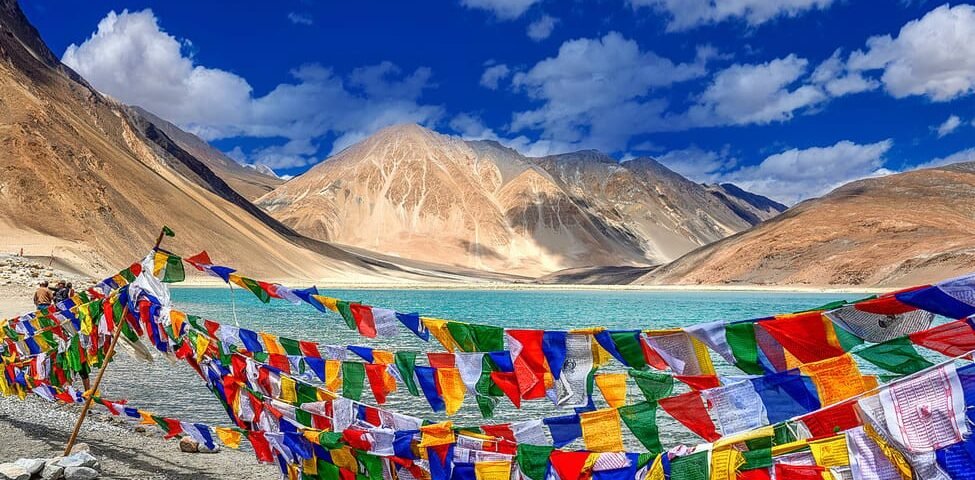
Embarking on an expedition across the high-altitude terrain of Ladakh stands as one of the ultimate journeys for mountain travellers. With its razor-sharp mountain passes, stark moonscapes, and high-altitude water bodies, the trans-Himalayan region demands meticulous planning, ground expertise, and sensible pacing. Navigating these mountain highways requires reliable planning backed by a verified tour operator in Kashmir to ensure safety, inner line permits, and certified transport across extreme altitudes.
Preparing for the Trans-Himalayan Circuit
A successful journey through Leh and the surrounding valleys begins well before you set foot on the mountain roads. Acclimatisation is not merely a recommendation; it is an absolute biological necessity when travelling above 10,000 feet.
Essential Acclimatisation Protocols
When arriving in Leh by air, schedule at least forty-eight hours of complete physical rest. The atmospheric pressure drops significantly at 11,500 feet, which reduces the amount of oxygen available per breath. Take slow walks, maintain adequate hydration with electrolyte-rich fluids, and avoid alcohol or strenuous climbs during the opening two days. Travellers opting for overland routes via Srinagar or Manali achieve gradual acclimatisation, though rest in Leh remains vital before crossing higher passes like Chang La or Khardung La.
Practical Gear and Documentation
The climate in Ladakh shifts abruptly from blazing daytime sunshine to sub-zero night temperatures. Pack windproof thermal layers, fleece jackets, sturdy walking boots with ankle support, UV-protective sunglasses, and high-SPF mineral sunscreen. Carry physical photocopies of your government identification documents and your Inner Line Permits (ILP), which are checked at multiple military checkpoints, including North Pullu, South Pullu, and Tsaga.
The Epic Drive to Nubra Valley via Khardung La
Leaving the historic town of Leh behind, the ascent toward the northern valleys takes you across Khardung La. The road climbs steeply through jagged switchbacks where barren cliffs give way to patches of permafrost.
Negotiating the High Passes
Khardung La sits at an elevation that leaves travellers breathless, both from the view and the thin air. The descent into the Shyok River basin leads into the wide expanse of Nubra Valley. Known for its contrast of cold desert sand dunes and snow-capped peaks, Nubra is home to the double-humped Bactrian camels of Hunder and the dramatic Diskit Monastery, which houses a monumental statue of Maitreya Buddha overlooking the floodplains.
Exploring Diskit and Hunder
Stay overnight in low-altitude settlements such as Diskit or Turtuk to give your body a break from the harsher passes. The peaceful apricot orchards of Turtuk, located close to the Line of Control, offer a glimpse into the Balti culture and lifestyle that diverges distinctly from central Ladakhi traditions.
The Scenic Route to Pangong Tso via Shyok Valley
Travelling directly from Nubra Valley to Pangong Tso via the Shyok riverbed route avoids backtracking to Leh, cutting down driving hours while delivering dramatic mountain vistas.
River Crossings and Terrain Dynamics
The road along the Shyok River is carved directly into raw rock faces. Seasonal snowmelt can cause streams like Pagal Nala to swell by mid-afternoon, making early morning departures imperative. Choosing comprehensive Leh-Ladakh destination Tour Packages ensures you travel with veteran mountain drivers who understand the daily water levels, road stability, and alternative passages along these challenging sectors.
The Splendour of Pangong Lake
Resting at an elevation of approximately 14,270 feet, Pangong Tso is an endorheic lake that spans over one hundred and thirty kilometres from India into Tibet. The lake is renowned for its shifting hues of cobalt, aquamarine, and deep indigo throughout the daylight hours.
Selecting the Right Lake Itinerary
A curated Leh Ladakh Tour with Pangong Lake provides an optimal balance between scenic exploration and bodily comfort, placing emphasis on daytime excursions and quality lakeside eco-cottages or permanent camps equipped with heating facilities.
Best Spots and Etiquette at Pangong
Lakeside villages such as Spangmik, Maan, and Merak provide vantage points far away from tourist congestion. When visiting the shoreline, maintain strict environmental responsibility. The trans-Himalayan ecosystem is fragile; avoid leaving any plastic waste behind, never drive vehicles onto the delicate lakeside marshes, and respect the local wildlife, including the Himalayan marmots and bar-headed geese that frequent the wetlands.
The Return Journey Across Chang La to Leh
The route returning from Pangong Lake climbs over Chang La, one of the highest motorable mountain passes in the world.
Safety Measures at High Elevations
Chang La is subject to sudden changes in weather, with ice patches and snowfall occurring even in the summer months. Limit your stop at the pass summit to no more than ten to fifteen minutes to avoid acute mountain sickness symptoms such as nausea or headaches. Descend steadily into the Indus Valley, stopping at the heritage-rich monasteries of Hemis, Thiksey, and Shey along the homeward stretch.
Responsible Road Travel in the Trans-Himalayas
Every traveller has a personal responsibility to safeguard Ladakh’s distinct cultural heritage and high-altitude biosphere. Support local homestays, consume regional Ladakhi dishes prepared from locally sourced barley and vegetables, and minimise the consumption of single-use bottled water by using refillable water stations throughout Leh and the surrounding valley villages.