

Discover Jawai: Why Tourists Love India’s Leopard Paradise

Ultimate One-Day Itinerary: Udaipur to Ranakpur Tour
July 30, 2026
How to Spend 3 Days in Gandhinagar: Best Places & Tips
July 30, 2026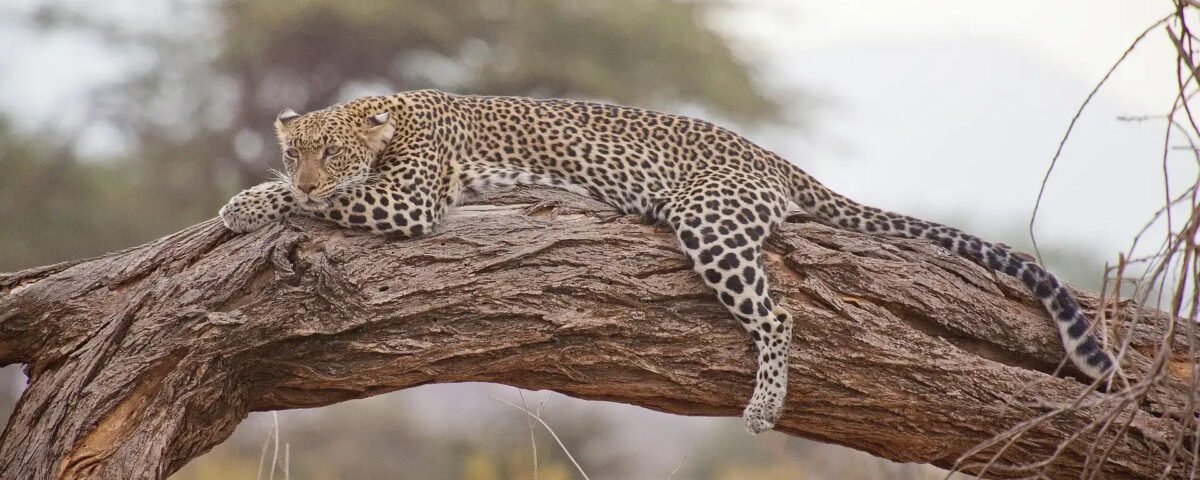
Nestled amidst the ancient granite formations of Pali district in Rajasthan, Jawai has emerged as one of the world’s most captivating wildlife destinations. Unlike traditional national parks bounded by rigid fences, this open ecosystem offers an extraordinary wilderness experience defined by dramatic landscapes, peaceful coexistence between humans and apex predators, and high sighting probabilities. Travelers seeking a blend of adventure, tranquility, and natural beauty find themselves drawn to this unique landscape.
High Leopard Density in an Unfenced Wilderness
The primary draw for visitors traveling to Jawai is its thriving leopard population. Over millions of years, natural wind and rain erosion created hundreds of granite caves across the region’s monolithic hills. These cave systems provide ideal shelters for wild leopards. Because the region is not enclosed within strict sanctuary walls, wild felines roam freely across the terrain alongside local livestock and human settlements.
Navigating through the granite terrain in open-top 4×4 safari vehicles allows visitors to spot big cats lounging on sun-warmed rock faces. Because the big cats here have coexisted alongside humans for generations without conflict, they exhibit calm, natural behaviors in the presence of guided vehicles.
Harmonious Coexistence: The Rabari Way of Life
Beyond the raw thrill of wildlife safaris, Jawai stands out globally for its inspiring story of human-wildlife harmony. The indigenous Rabari tribe—a semi-nomadic pastoralist community known for their iconic red turbans and traditional attire—has shared these hills with leopards for centuries. Driven by deep-rooted spiritual beliefs, the Rabari view the leopards as sacred guardians connected to local deities.
This cultural ethos eliminates poaching and fosters respect between villagers and wildlife. Travelers often highlight their interactions with local village communities as a highlight of their trip, gaining valuable insights into a peaceful way of living alongside nature that is rarely seen elsewhere in modern eco-tourism.
Jawai Dam and Migratory Bird Sanctuary
Another central attraction of the area is the imposing Jawai Dam, constructed across the Jawai River. As the largest dam in western Rajasthan, its reservoir creates a vast wetland habitat in the middle of a semi-arid landscape.
During the winter months between October and March, the dam’s backwaters attract hundreds of species of migratory birds. Wildlife enthusiasts can observe visually stunning flocks of flamingos, bar-headed geese, pelicans, cranes, and cormorants along the shoreline. The lake is also home to a large population of mugger crocodiles, which are frequently seen basking on sandy banks and granite outcrops near the water’s edge.
Curated Comfort and Hospitality
While the wilderness remains wild and rugged, visiting Jawai does not mean compromising on personal comfort. The region boasts top-tier hospitality options designed to complement the natural surroundings. Travelers can choose a premium resort in Jawai that provides tranquil spaces, local culinary dining, and quick access to major safari routes.
Modern accommodation options focus heavily on blending luxury with sustainability. Visitors can relax after morning tracks by accessing complete Resort Facilities in Jawai like panoramic roof terraces overlooking granite landscapes, infinity-edge swimming pools, and dedicated open-air dining platforms.
For travelers looking to stay right along the water’s edge, choosing a Luxury Stay Near Jawai Dam provides panoramic views over the reservoir backwaters, scenic sunset vistas over the granite hills, and peaceful starry nights far away from urban light pollution.
Versatile Eco-Tourism Experiences
A trip to Jawai extends well beyond standard morning and evening game drives. The region’s terrain supports a diverse range of outdoor activities tailored for different types of travelers:
- Granite Hill Trekking: Guided morning walks up prehistoric granite kopjes offer elevated vantage points across the wilderness landscape and dam backwaters.
- Birdwatching Safaris: Customized lake tours led by local naturalist guides focus on identifying migratory waterfowl along the reservoir.
- Cultural Village Trails: Immersion walks through rural Rabari settlements offer authentic glimpses into rural Rajasthani heritage, traditional farming practices, and local crafts.
- Bush Dining and Hilltop Meals: Unforgettable culinary experiences served atop private granite rocks or along the water’s edge under open night skies.
Year-Round Accessibility and Sighting Opportunities
Jawai benefits from excellent connectivity via road and rail. Positioned conveniently between major tourism hubs like Udaipur, Jodhpur, and Mount Abu, it serves as an ideal wilderness retreat. The nearest major railway station, Jawai Bandh, along with nearby air hubs in Udaipur and Jodhpur, make planning a trip straightforward for both domestic and international visitors.
With dry vegetation and open granite hills, wildlife sightings remain high throughout the year. Whether observing big cats perched on rocky outcrops, watching migratory birds along the dam, or experiencing local cultural traditions, Jawai delivers an unforgettable journey into India’s wild heart.