
Jaipur & Pushkar Sightseeing Itinerary: Essential Tips

Kumbhalgarh 48-Hour Guide: Sightseeing & Tips
September 24, 2026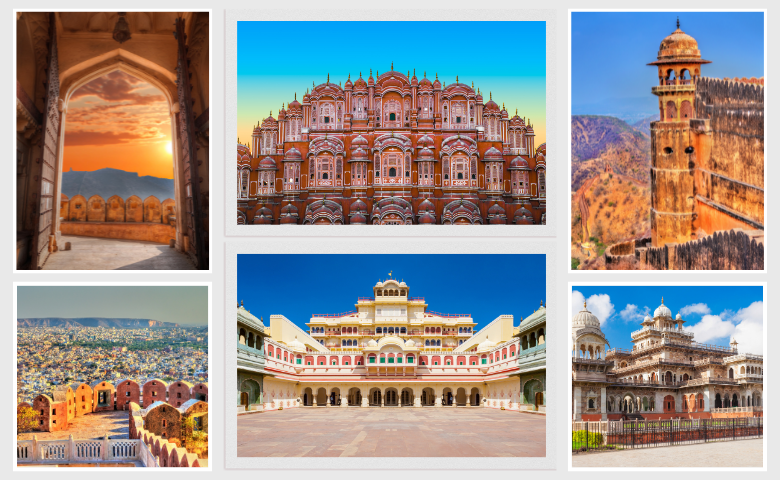
Planning a journey through Rajasthan requires balancing imperial heritage with spiritual calm. Jaipur and Pushkar present two very distinct facets of the desert state. While the capital city of Jaipur dazzles with its imposing sandstone bastions, royal courtyards, and astronomical observatories, Pushkar offers an introspective retreat wrapped around a serene lake and sacred ghats. Combining both destinations ensures a multifaceted travel experience that encapsulates the authentic character of northern India.
Navigating these historical hubs smoothly requires reliable local transport and realistic transit timing. Partnering with a dedicated travel agency in Rajasthan allows you to streamline monument logistics, bypass unnecessary transit delays, and secure experienced local escorts who understand the region’s cultural nuances.
Crafting the Ideal Sightseeing Route
A practical route starts in the Pink City to cover major historical monuments before heading west toward the holy lake of Pushkar. The distance between Jaipur and Pushkar is approximately 145 kilometers, typically covered in about three hours via National Highway 48.
Day 1: Exploring Royal Jaipur
The capital city demands an early start to beat monument crowds and intense afternoon heat. Begin your morning at the Amer Fort, situated atop the Cheel ka Teela hill. Walking through the grand courtyards and the mirror-inlaid Sheesh Mahal offers deep insight into Rajput defensive architecture and royal lifestyle. Descending into the town brings you past the Jal Mahal, floating elegantly in the middle of Man Sagar Lake.
In the afternoon, head inside the walled city perimeter. The City Palace complex remains an active royal residence while housing extensive collections of Rajput textiles, armor, and manuscripts. Directly adjacent sits Jantar Mantar, the UNESCO World Heritage astronomical site commissioned by Maharaja Sawai Jai Singh II, featuring the world’s largest stone sundial. Round out the day by admiring the intricate red-and-pink sandstone latticework of Hawa Mahal, designed to permit royal women to observe street processions unseen. If your schedule permits only one dedicated day in the Pink City, booking a structured Jaipur full day tour ensures you cover these expansive complexes without losing time to navigation or parking hassles.
Day 2: The Spiritual Haven of Pushkar
After breakfast, depart early on the highway toward Pushkar. Arriving before midday gives you ample time to check into your hotel and soak in the town’s distinct spiritual rhythm. Pushkar is wrapped around the holy Pushkar Lake, lined with 52 stone ghats where pilgrims gather for ritual cleansing.
The town’s primary focal point is the 14th-century Jagatpita Brahma Mandir, one of the extremely rare active temples in the world dedicated to the creator deity Lord Brahma. From the temple, wander through the pedestrian-only bazaar streets filled with silver jewelry, rose essence, and traditional textiles. As the afternoon cools, embark on a short trek up the Ratnagiri hill to the Savitri Devi Temple. The summit offers an expansive panoramic vista of Pushkar town, the surrounding Aravalli range, and the Thar Desert sands glowing under the evening sunset.
For travelers with constrained schedules who wish to experience this divine city without an overnight stay, selecting an organized Jaipur with Pushkar say tour provides the convenience of private air-conditioned transport, scheduled stops, and a seamless return journey to Jaipur within the same day.
Practical Travel Tips for Travelers
Making the most of this circuit involves mindful planning around local regulations, customs, and weather patterns.
Timing and Seasonality
The optimal window for visiting Jaipur and Pushkar spans from October through March. During these months, daytime temperatures remain moderate and comfortable for walking across open stone courtyards. If you plan to visit during the annual Pushkar Camel Fair in October or November, secure transport and hotel reservations several months in advance to avoid steep price spikes.
Monument Logistics and Ticketing
Jaipur’s heritage monuments use composite ticket systems that grant entry to Amer Fort, Hawa Mahal, Jantar Mantar, and Albert Hall Museum. Purchasing composite passes online through the state tourism portal saves substantial queueing time at individual gates.
Cultural Etiquette and Sanctity
Pushkar is a strictly sacred town where non-vegetarian food, alcohol, and open smoking are strictly prohibited by local civic ordinances. When visiting the ghats or temples, dress modestly with shoulders and knees covered. Remove all footwear before stepping onto the stone steps leading down to Pushkar Lake.
Road Transport Insights
Hiring a private vehicle with an experienced chauffeur provides the highest level of flexibility for navigating between monument sites, negotiating city traffic, and taking breaks at roadside dhabas during the highway transfer. Carry cash in small denominations for toll plazas, shoe-storage attendants at shrines, and traditional bazaar purchases where digital payment gateways occasionally face network drops.