
Kumbhalgarh 48-Hour Guide: Sightseeing & Tips

Why Choose Marble Floors for Modern Homes?
September 23, 2026
Jaipur & Pushkar Sightseeing Itinerary: Essential Tips
September 24, 2026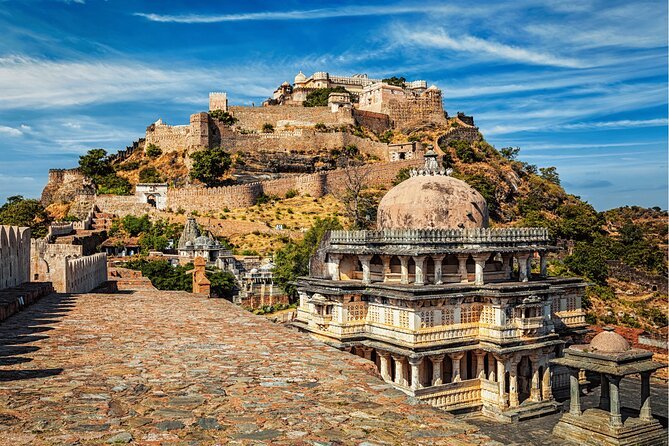
Perched high within the rugged folds of the Aravalli Range, Kumbhalgarh stands as an enduring emblem of Mewar’s valor, architectural brilliance, and untamed natural beauty. Located roughly two hours north of Udaipur, this historic fortress town provides a tranquil, royal escape away from conventional tourist circuits. Planning a two-day trip requires striking the right balance between exploring towering fortifications, discovering hidden spiritual landmarks, and taking in the tranquil wilderness.
Whether you seek authentic historical insight or refined relaxation amidst scenic landscapes, a thoughtfully curated weekend itinerary helps you unlock the very best of this hill citadel.
Day 1: The Grand Citadel and Royal Evenings
Morning: Conquering the Great Wall of India
Begin your journey early in the morning to beat both the afternoon sun and the midday crowds. Kumbhalgarh Fort, a UNESCO World Heritage site conceived by Rana Kumbha in the fifteenth century, boasts perimeter walls extending over 36 kilometers—frequently cited as the second-longest continuous wall in the world.
Enter through the imposing Aret Pol and Halla Pol, winding your way past historic bastions, watchtowers, and rainwater-harvesting stepwells. Take time to marvel at the sheer scale of the stone ramparts, which once protected over three hundred temples inside the citadel complex. Sturdy walking shoes are indispensable here, as the stone pathways feature steep inclines that demand steady footing.
Afternoon: Ascending to Badal Mahal
After stopping for a traditional Mewari lunch of dal baati churma and gatte ki sabzi at a local dining spot, head toward Badal Mahal, situated at the fort’s highest elevation. Known as the “Palace of Clouds,” this two-tiered structure is divided into the Zanana Mahal (women’s quarters) and the Mardana Mahal (men’s quarters).
Wander through rooms decorated with delicate pastel murals depicting royal hunts and court life. The terrace at Badal Mahal offers an unmatched panoramic view: on clear days, you can gaze past the rolling Aravalli peaks straight toward the Thar Desert plains. It is also a site of deep historical reverence, marking the birthplace of the legendary warrior king Maharana Pratap.
Evening: The Sound and Light Show
As dusk settles over the hills, make your way down to the fort’s central courtyard for the evening Sound and Light Show. The production illuminates the massive ramparts while narrating dramatic tales of Mewari chivalry, strategic diplomacy, and the defensive genius that made this bastion virtually impregnable.
After witnessing this historical retelling, retreat to one of the premier luxury hotels in Rajasthan to unwind. Properties managed by Namoka, such as Namoka The Fort Resort and Mount Valley Resort, offer tranquil private suites, scenic verandas, and multi-cuisine restaurants that allow you to recharge in complete comfort.
Day 2: Spiritual Trails, Wildlife, and Local Flavors
Morning: Devotion at Parshuram Mahadev Temple
Start your second morning with a scenic drive toward the Parshuram Mahadev Temple, located nestled in a secluded valley along the border of the Rajsamand and Pali districts. Dedicated to Lord Shiva, this sacred cave shrine sits where sage Parshuram is said to have meditated.
Reaching the inner sanctum requires descending approximately five hundred stone steps down the mountain gorge. The cool mountain air, the sound of temple bells, and views of pristine forest canopy make the climb back up thoroughly rewarding. For those who enjoy early-morning nature walks, the surrounding valley pathways offer excellent birdwatching opportunities, with gray francolins, paradise flycatchers, and Indian peafowls frequently spotted.
Afternoon: Kumbhalgarh Wildlife Sanctuary Safari
In the afternoon, trade stone monuments for raw wilderness by booking an open-jeep safari into the Kumbhalgarh Wildlife Sanctuary. Encompassing more than six hundred square kilometers across the Aravallis, this sanctuary is one of the few reserves in western India home to the Indian wolf.
During the dry winter and post-monsoon months, your safari tracker will guide you along dirt trails shaded by dhok and sal trees. Keep an eye out for leopards sunning on granite boulders, sambar deer, four-horned antelopes (chousingha), sloth bears, and striped hyenas. The varied elevation creates a dramatic landscape that looks distinctly different from the flat desert expanses of western Rajasthan.
Evening: Unwinding with Premium Regional Hospitality
Conclude your weekend by soaking in the serene evening atmosphere of the Kumbhalgarh hills. Booking dedicated hospitality services in Kumbhalgarh ensures your trip ends seamlessly, whether you desire an intimate poolside dinner under the stars, an Ayurvedic wellness session, or personalized travel arrangements back toward Udaipur or Jodhpur.
Essential Travel Tips for Kumbhalgarh
To ensure a smooth and memorable stay, keep these practical pointers in mind:
- Ideal Visiting Window: The cooler months from October to March offer pleasant daytime temperatures and cool nights, making long walking tours around the fort comfortable.
- Footwear and Sun Protection: The fort requires extensive uphill walking over centuries-old stones. Wear well-cushioned shoes, carry a reusable water bottle, and pack sunscreen or a wide-brimmed hat.
- Local Commute: While the town is compact, sights like Parshuram Mahadev Temple and sanctuary gates are spaced several kilometers apart. Hiring a dedicated private taxi for your full 48 hours is the most dependable option.
- Safari Bookings: Jeep safaris have limited slots per day; book through forest department-registered portals or coordinate with your resort desk well in advance.
- Cultural Etiquette: When entering religious shrines like Parshuram Mahadev and Neelkanth Mahadev inside the fort, wear modest attire covering shoulders and knees, and remove footwear at designated entry gates.