

Why Choose Marble Floors for Modern Homes?

The Complete Beginner Guide to Design
September 23, 2026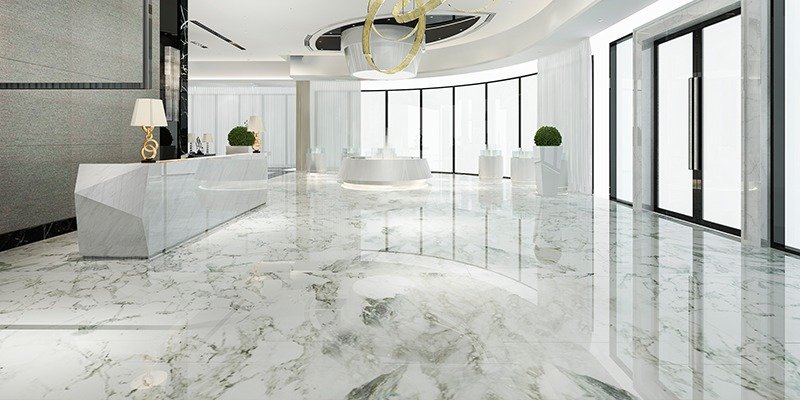
Modern architectural design emphasizes clean lines, abundant natural light, open floor plans, and materials that offer longevity. While flooring trends shift rapidly from engineered hardwoods to micro-cement and polished porcelain tiles, natural stone continues to stand apart as an enduring standard. Among natural materials, marble remains an unmatched surface solution for contemporary interiors. Deciding on the primary flooring for a residence requires balancing visual appeal, structural resilience, daily maintenance practicalities, and long-term property valuation. Understanding the geological properties and spatial benefits of natural stone reveals why discerning homeowners, architects, and interior designers consistently specify it for high-end residential builds.
Visual Fluidity and Architectural Elegance
A hallmark of contemporary home design is spatial openness, where living areas, dining spaces, and kitchens flow into one another without restrictive partitions. Achieving cohesive continuity across these wide footprints requires a flooring medium that feels expansive rather than fragmented. Natural marble provides this advantage effortlessly. Because marble forms over millennia through intense heat and pressure recrystallizing limestone, each slab displays an organic geological pattern that manufactured tiles cannot genuinely replicate.
The soft veining and broad tonal ranges found in premium natural stone create fluid transitions from room to room. When expertly bookmatched or laid in continuous open layouts, marble reflects light gently across its polished or honed surface. This subtle luminescence brightens interior corridors, amplifies exterior light through floor-to-ceiling windows, and produces an immediate sense of scale. Whether your palette revolves around stark monochromes, warm earthen tones, or Scandinavian minimalism, a curated natural stone foundation complements minimalist fixtures, glass partitions, and raw steel elements seamlessly.
Durability and Structural Longevity
Flooring is an investment expected to last decades rather than years. Synthetic laminate and engineered boards are susceptible to moisture swelling, surface peeling, and sun fading. In contrast, natural metamorphic stone offers exceptional structural density. Marble floors handle daily foot traffic, moving furniture, and atmospheric humidity with remarkable stability when correctly laid and sealed.
A critical structural property of natural stone is its refinishability. Unlike ceramic surfaces where a chip exposes the base clay or wooden veneers that can only endure limited sanding, marble is solid stone all the way through. If high-traffic wear, light scratching, or surface dullness emerges over years of active family use, the floor does not require removal or replacement. Specialized stone technicians can restore the surface to its factory luster through localized polishing and re-crystallization. Sourcing materials from an established marble exporter in india ensures access to uniform, quarry-graded slabs that adhere to strict structural density standards necessary for lasting residential installation.
Natural Thermal Comfort in Modern Living
Contemporary home layouts frequently prioritize indoor air quality, passive heating, and cooling efficiency. Stone flooring directly contributes to these environmental controls due to its high thermal mass and conductibility.
In warmer regions, marble remains naturally cool beneath the feet, lowering reliance on mechanical air conditioning by helping regulate interior ambient temperature. Conversely, in colder seasons, stone conducts thermal energy more efficiently than carpet or wood, making it an ideal medium to pair with underfloor radiant heating networks. Heat distributes evenly through the stone slab without warping, cracking, or releasing volatile organic compounds (VOCs). Because natural stone is completely hypoallergenic and free of the adhesive emissions common in synthetic flooring options, it prevents the retention of pet dander, microscopic allergens, and dust particles, maintaining exceptional indoor environmental health.
Complementary Stone Pairings for Integrated Spaces
Holistic architectural planning often bridges indoor living quarters with exterior verandas, pool surrounds, and landscaped courtyards. Achieving an uninterrupted visual transition from inside to outside requires selecting materials that complement the indoor stone while offering high slip resistance outdoors. Partnering with a reliable sandstone supplier in India allows designers to transition from polished indoor marble corridors out toward tactile, weather-resistant natural stone terraces. This harmonized selection keeps the architectural narrative cohesive, tying interior sophistication directly to the natural texture of the outdoor patio.
Ease of Routine Care and Lasting Asset Value
A common misconception among homeowners is that maintaining natural stone flooring requires exhaustive labor. In truth, everyday upkeep for a sealed stone floor is straightforward. Daily sweeping with a soft microfiber mop prevents loose grit from acting as an abrasive underfoot. For damp cleaning, mopping with water and a neutral stone cleaner maintains the stone surface without damaging its natural sealant. Modern penetrating sealers protect the stone deep beneath the surface, guarding against accidental spills and biological moisture.
Beyond functional simplicity, natural stone holds undisputed authority in the real estate market. Discerning buyers perceive genuine stone surfaces as a permanent architectural fixture rather than a cosmetic, temporary finish. Installing authentic stone elevates the overall appraisal value of a modern home, ensuring that the initial investment yields tangible equity rewards alongside decades of uncompromising visual beauty.