

Jawai Cultural Tour: Ancient Temples & Rabari Tribe Heritage

Laser Skin Solutions: What Really Clears Scars and Dark Spots?
September 25, 2026
Essential Gir National Park Sightseeing & Safari Itinerary
September 25, 2026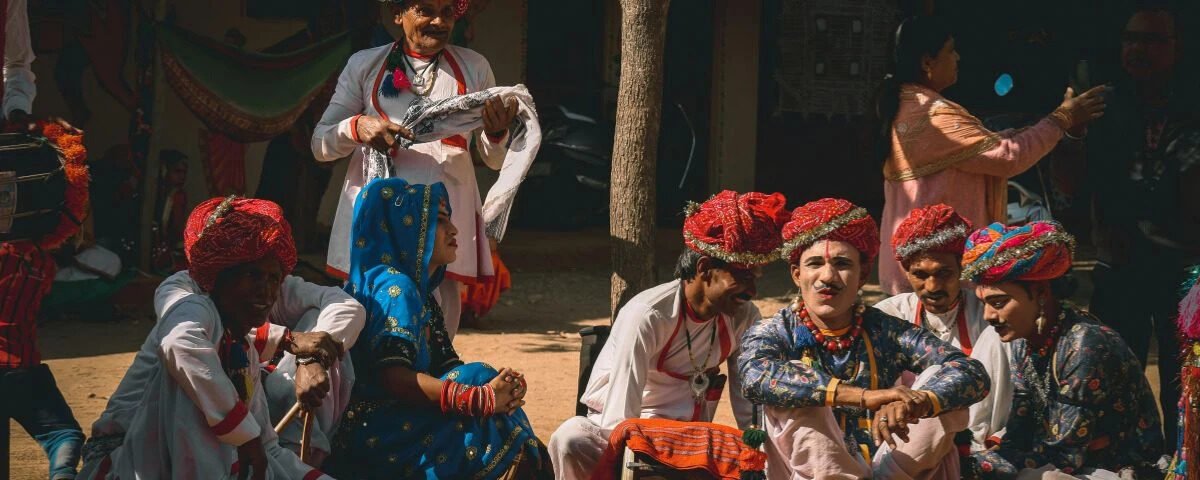
Jawai is universally recognized for its billion-year-old granite formations and thriving wildlife, yet the heart of this landscape lies in its human and spiritual history. Behind the rugged cliffs lies a living narrative shaped by nomadic pastoralists, rock-cut shrines, and an ancient covenant between humankind and nature. Staying at a luxury resort in Jawai offers travelers an intimate window into this cultural terrain, where modern comfort seamlessly connects with timeless desert traditions.
The Sacred Granites: Cave Temples and Folk Traditions
Granite boulders that define the topography of Jawai are not merely geological marvels; they serve as centuries-old spiritual sanctuaries. Carved deep into the natural caves and crevices are temples dedicated to local deities, the most prominent being the Devgiri Temple perched high on a monolith.
Devgiri Temple is venerated by locals as the protective seat of the goddess Ashapura Mata. Pilgrims and forest dwellers climb the steep stone steps daily to seek blessings. Remarkably, this holy site is shared directly with wild apex predators. Leopards frequently rest near the temple entrance or sleep within the hollows beneath the sanctum during the warmer parts of the day. Local priests and leopards have crossed paths on the same stone staircases at dusk for decades without incident.
Further across the valley, small wayside shrines dedicated to Chamunda Devi and Shiva mark ancient trade pathways. These sacred spaces feature stone idols smeared with vermilion and wrapped in marigold offerings. Visiting these monolithic shrines provides profound insight into how faith acts as an emotional buffer and a practical framework for ecological tolerance.
The Rabari Tribe: Guardians of the Wilderness
The true custodians of Jawai’s culture are the Rabari (also known as Raika), an indigenous semi-nomadic pastoral community believed to have migrated to Rajasthan centuries ago. Legend holds that Lord Shiva created the Rabari to tend to the camels of Goddess Parvati, establishing their sacred duty as keepers of livestock.
Rabari men are instantly identifiable by their brilliant scarlet turbans (pagri), pleated white cotton robes, and silver ear ornaments called murki. The women wear intricate black or maroon skirts decorated with mirror work, heavy silver collars, and geometric tattoos that serve as ancestral markers across generations.
Every morning, pastoralists lead large herds of Marwari sheep and goats across rocky valleys and thorny babool scrubs. The relationship between the Rabari and the wilderness is unique: when a leopard occasionally takes livestock, the herders view it not as a cause for retaliation, but as an offering paid to nature. This cultural outlook has prevented poaching and created a wildlife sanctuary without fences or artificial boundaries.
Curated Field Expeditions and Heritage Walks
Experiencing this cultural heritage requires ethical, guided immersion that respects local privacy and traditions. Visitors can take leisurely walks through traditional mud-and-thatch homesteads (dhanis) to observe daily pastoral life.
- Pastoralism and Shepherding: Accompany a village elder during dawn herding to learn how ancestral whistles and call-and-response sounds guide hundreds of animals through predator territory.
- Textiles and Craftsmanship: Witness village artisans practicing hand embroidery, spinning sheep wool, and crafting brass accessories using generations-old metalwork techniques.
- Culinary Demonstrations: Enjoy Bajra roti (pearl millet bread) baked on an earthen stove, served with spicy garlic chutney, fresh white butter, and piping hot chai brewed with goat milk.
- Folk Music Sessions: Listen to traditional devotional songs and desert folklore performed using the ravanahatha and dholak beneath starlit night skies.
Balancing Safari Adventures with Immersive Hospitality
A cultural visit to the region pairs naturally with exploring the rocky habitats of the big cats. Arranging a leopard safari booking in Jawai allows guests to track predators with expert local naturalists, many of whom belong to surrounding communities and possess intimate, generational knowledge of leopard territories.
After exploring sunlit temples, pastoral settlements, and rugged trails, returning to dedicated resort facilities in Jawai ensures a peaceful, restorative retreat. Modern conveniences, relaxing outdoor pools, and tranquil viewpoints facing the Jawai Dam allow travelers to unwind while reflecting on the vibrant traditions that make this part of Rajasthan extraordinary. Jawai remains one of the world’s most evocative examples of peaceful coexistence, where ancient faith, nomadic heritage, and raw nature thrive in complete equilibrium.