
Laser Skin Solutions: What Really Clears Scars and Dark Spots?

Jaipur & Pushkar Sightseeing Itinerary: Essential Tips
September 24, 2026
Jawai Cultural Tour: Ancient Temples & Rabari Tribe Heritage
September 25, 2026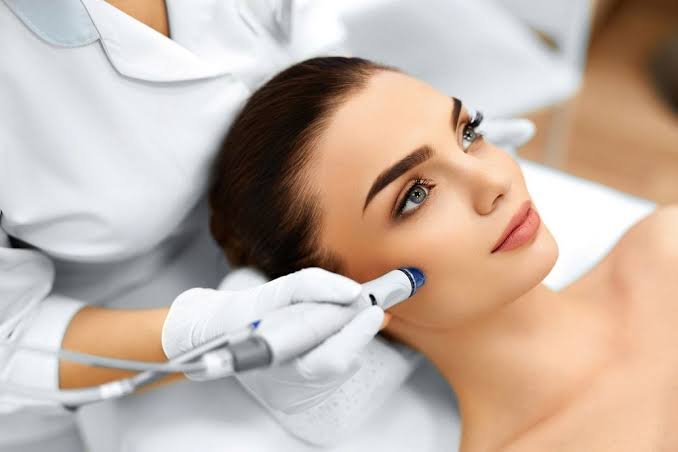
Acne scars and persistent hyperpigmentation rank among the most frustrating dermatological concerns to manage at home. While topical serums, chemical exfoliants, and brightening creams can provide subtle surface improvements, they often reach an anatomical ceiling. True textural scarring and deep dermal pigmentation stem from structural changes in the lower layers of the skin, where conventional creams simply cannot penetrate effectively. Achieving lasting dermal clarity requires clinical energy devices capable of triggering targeted cellular remodeling.
Understanding the Difference: Surface Pigment vs. Deep Structural Scars
Before selecting an appropriate clinical protocol, a clear clinical distinction between textural scarring and post-inflammatory pigmentation must be established.
Dark spots generally fall into two categories: post-inflammatory hyperpigmentation (PIH), which develops after an inflammatory event such as an acne cyst or injury, and melasma, a hormonal condition exacerbated by UV exposure and systemic heat. These pigmentary concerns reside primarily in the epidermis and upper dermis as localized clusters of excess melanin.
Textural scars, such as icepick, boxcar, and rolling atrophic scars, represent permanent architectural deficits. During an inflammatory breakout, localized collagen and elastin fibers are degraded. As the wound resolves, the body fails to rebuild an even foundation, resulting in visible depressions and fibrotic tethering that cannot be ironed out with surface hydration alone.
How Laser Energy Targets Unwanted Pigment and Fibrotic Tissue
Modern clinical lasers harness the principles of selective photothermolysis—delivering targeted wavelengths of light energy that are absorbed specifically by designated chromophores (water, hemoglobin, or melanin) without damaging surrounding tissue.
When addressing stubborn discoloration, light-based modalities like advanced photofacial technology emit targeted energy pulses that heat and shatter clustered pigment particles. The body’s immune system then naturally processes and eliminates these microscopic melanin fragments over several days.
For textural depression and rough skin quality, non-ablative and hybrid fractional wavelengths target water within the skin cells. By creating microscopic thermal zones deep within the dermis, the laser stimulates fibroblasts to initiate a rapid neocollagenesis cascade. Over subsequent weeks, newly formed collagen fibers gradually lift depressed scar tissue and restore smooth contours from the inside out.
Why a Physician-Led Approach Matters for Complex Skin Conditions
Energy-based aesthetic devices are highly sophisticated tools that require extensive clinical knowledge to calibrate safely. Treating discoloration on diverse skin tones, particularly Fitzpatrick skin types III through VI, carries a heightened risk of inducing rebound hyperpigmentation or thermal injury if laser fluences, pulse durations, and wavelengths are miscalculated.
At Rania Aesthetic Studio, clinical care is built entirely around direct physician evaluation and personalized treatment protocols. Founded by board-certified physician Dr. Rema Malik, MD, the boutique practice eliminates the impersonal assembly-line model often found in high-volume medspas. Rather than delegating complex laser operations to non-physician staff, Dr. Malik personally conducts comprehensive consultations, performs every laser pass, and monitors every stage of the healing process to maintain an exceptional standard of safety and efficacy.
Patients seeking advanced laser treatment in Sugarland receive custom-tailored care utilizing medical-grade platforms like the Sciton JOULE™ suite, which includes HALO® hybrid fractional resurfacing, BBL® HEROic, and MOXI™ epidermal renewal. By combining precise hybrid wavelengths, these cutting-edge modalities allow for deep dermal structural remodeling alongside targeted epidermal pigment clearance, reducing thermal recovery time while maximizing clinical transformation.
What to Expect During the Healing and Remodeling Journey
A realistic approach to scar and pigment correction prioritizes progressive restoration over single-session quick fixes. True skin remodeling is an active biological process that unfolds across distinct phases:
- Initial clearance occurs over the first three to seven days, during which treated micro-crusts and pigment flakes naturally slough off, unveiling brighter and more uniform epidermal tone.
- Structural collagen synthesis begins around week three and continues to strengthen across three to six months, gradually smoothing atrophic indentations and refining skin density.
- Long-term cellular stability relies on diligent photoprotection and medical-grade barrier maintenance to prevent UV radiation from activating dormant melanocytes.
Consulting directly with a qualified aesthetic physician ensures that your unique dermal architecture, pigment profile, and healing history are thoroughly analyzed before initiating energy-based therapy. With an accurate diagnosis and calibrated technology, achieving a clear, smooth, and evenly balanced complexion is entirely within clinical reach.