

Jawai Wildlife Safari Guide: Top Dos and Don’ts to Know

How to Choose the Best Jaisalmer Overnight Camel Tour
July 28, 2026
Ultimate One-Day Itinerary: Udaipur to Ranakpur Tour
July 30, 2026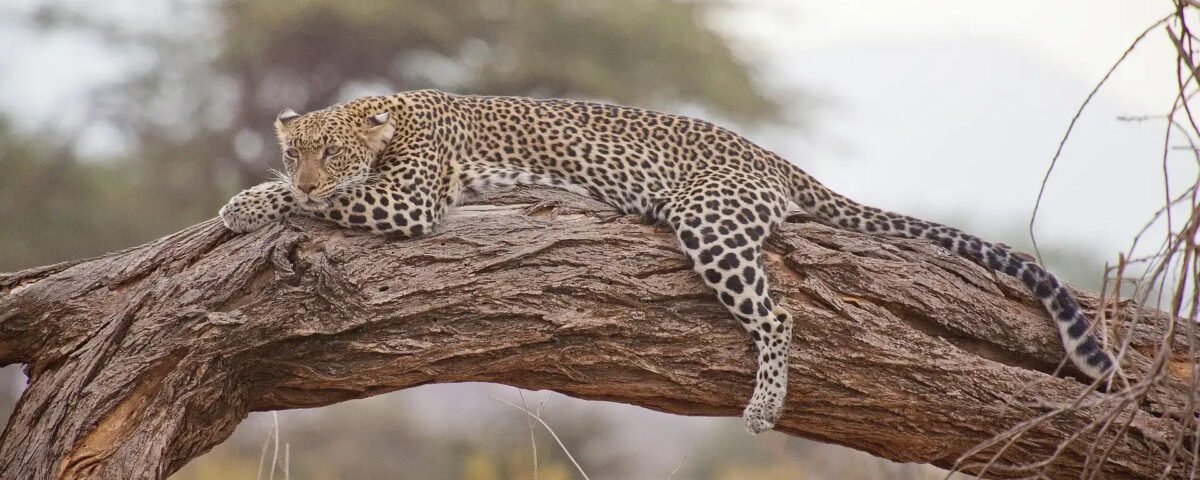
Nestled amidst ancient granite rock formations and the serene backwaters of the Jawai Dam in Rajasthan, Jawai presents one of the most remarkable wildlife landscapes in the world. Unlike traditional national parks or fenced reserves, Jawai is an open, human-wildlife co-existence zone where wild leopards roam freely alongside the local Rabari pastoral community. This delicate harmony between humans and apex predators has existed for generations, offering travelers an extraordinary opportunity to witness wildlife in its rawest, most natural state.
To ensure your venture into this granite wilderness remains safe, respectful, and rewarding, adhering to proper wildlife etiquette is essential. Drawing from local naturalists, local trackers, and safari experts, this comprehensive guide outlines the top dos and don’ts to keep in mind when exploring Jawai.
Understanding the Unique Ecosystem of Jawai
Before stepping into an open 4×4 safari vehicle, it helps to understand why Jawai is unlike any other wildlife destination in India. There are no dense forests here; instead, massive granite hills (known locally as magras) dominate the terrain. Leopards take shelter inside the natural caves of these rocks during the daytime heat and emerge onto the open rocky faces during the early morning and evening hours.
Because the landscape is open and shared with local villages, visiting requires a high level of responsibility. Practicing mindful safari etiquette protects not only your safety but also preserves the tranquility of the animals and the dignity of the local indigenous community.
Key Dos for an Unforgettable Jawai Wildlife Experience
Dress in Muted, Earthy Tones
When preparing for a safari, choose clothes in natural, earthy colors such as khaki, olive green, beige, brown, or grey. Bright colors like yellow, red, or neon shades stand out sharply against the granite rocks and dry scrubland, which can startle animals or draw unnecessary attention.
Pack Warm Layers and Dust Protection
Jawai’s terrain experiences significant temperature swings. Early morning safaris before sunrise can be surprisingly cold, while afternoons become warm and sunny. Layering your clothing with a jacket, windcheater, or scarf ensures comfort throughout the ride. Additionally, open-top safari vehicles kick up fine granite dust along the dirt tracks, so carrying a dust cover or zip-lock bag for camera gear and wearing sunglasses is highly recommended.
Listen to Your Tracker and Naturalist
Local trackers and naturalists possess an intimate understanding of leopard behavior, territorial movements, and call signals from alarm species like langurs or peafowl. Always follow your guide’s instructions regarding where to sit, when to remain quiet, and how to position yourself for photographs.
Maintain Absolute Silence During Sightings
Silence is one of the most critical elements of a successful wildlife sighting. Whispering or maintaining quiet allows leopards to remain relaxed on their granite perches. Loud chatter or sudden noise can cause animals to retreat into inaccessible caves, ending the sighting for everyone.
Respect the Local Rabari Herdsmen
The distinctive red-turbaned Rabari herdsmen are the guardians of this land. Their reverence for nature and leopards is the reason wildlife thrives here. If you encounter local villagers or herdsmen during your drive, greet them with warmth and always ask for permission before photographing them or their livestock.
Essential Don’ts to Keep in Mind
Never Dismount from the Safari Vehicle
Staying inside your 4×4 vehicle is a strict safety rule. Wild animals, including leopards, sloth bears, and hyenas, view the vehicle as a single, non-threatening object. The moment a passenger steps out, that visual contour breaks, which can trigger defensive or aggressive reactions from wildlife. Always remain seated inside the vehicle unless your naturalist directs you to a designated, safe viewpoint.
Do Not Use Flash Photography or Spotlights
Artificial flashes or bright spotlights directed at animals can temporarily blind them, disorient nocturnal hunters, or cause significant distress. Ensure your camera’s flash is turned off completely before the safari begins. Rely on natural ambient light and proper camera settings for low-light photography.
Avoid Using Horns or Playing Music
Jawai is a tranquil environment. Never play music, make loud phone calls, or allow vehicle horns to blow during a track. Disrupted natural sounds make it difficult for guides to listen for animal calls and disrupt the natural rhythms of the wild.
Do Not Leave Any Litter Behind
Carry back everything you bring into the safari area. Single-use plastic bottles, snack wrappers, and paper tissues pose severe health hazards to livestock and wild animals if ingested. Keep all trash securely inside your bag or vehicle until you return to your resort.
Never Attempt to Feed or Bait Wildlife
Wild animals must rely on their natural hunting instincts. Attempting to attract leopards or other wildlife with food destroys their natural boundaries and creates dangerous dependencies. Respect their wild nature by observing from a safe, non-intrusive distance.
Planning Your Journey and Staying Safely in Jawai
Achieving an immersive, responsible, and memorable wilderness journey depends heavily on where you stay and how your excursions are organized. A well-managed luxury resort in jawai provides ethical tracking practices, knowledgeable naturalists, and seamless access to the surrounding hills and backwaters.
When booking your Jawai leopard safari, coordinate with experienced local teams who prioritize wildlife conservation, community respect, and guest safety. Experiencing the sight of a leopard resting gracefully against an ancient rock during sunset is an unmatched sensation—one that is elevated when approached with care, patience, and environmental respect.
At The Jawai Sagar, guests enjoy front-row access to this magical landscape paired with thoughtful hospitality, ensuring that every drive into the granite hills leaves a positive impact on both the traveler and the ecosystem. By following these top dos and don’ts, your journey through Jawai will stand as a benchmark for authentic, ethical, and inspiring wildlife travel.