
Jodhpur Travel Guide: History of the Blue Architecture

Udaipur in a Day: Best Attractions, Food, and Hidden Spots
March 30, 2026
Feel Confident Again: How Vaginal Rejuvenation Can Help
March 30, 2026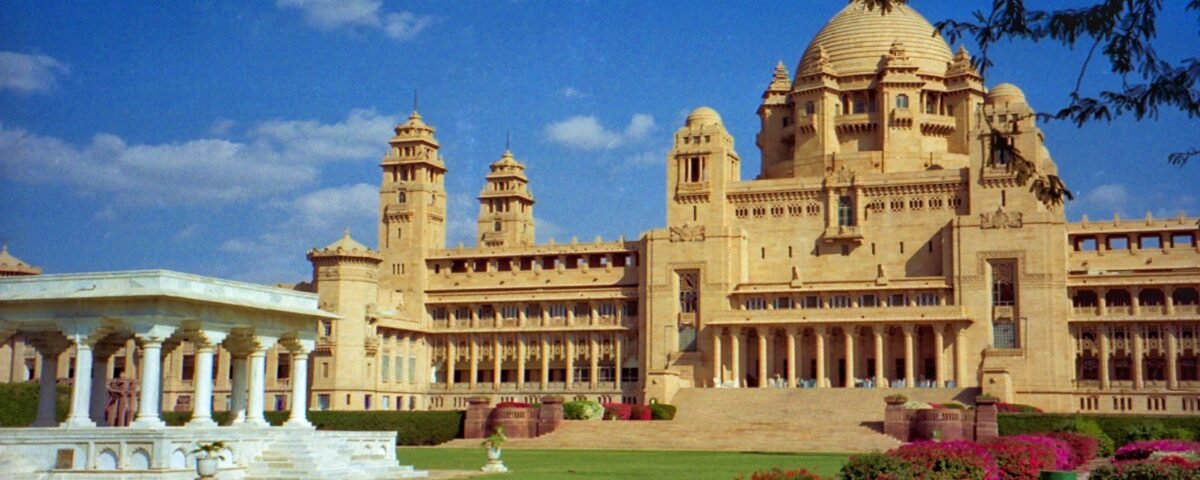
Stepping into the heart of Rajasthan feels like walking through a living museum, but no city captures the imagination quite like Jodhpur. Known globally as the “Blue City,” its sapphire-tinted streets offer a visual narrative of history, caste, and climate adaptation. To truly navigate this labyrinth of azure alleys and grand forts, many travelers rely on a professional taxi service in jodhpur to bridge the gap between the bustling modern markets and the serene, historic quarters. The architecture here isn’t just a design choice; it is a legacy etched into the very stones of the Thar Desert.
The Origins of the Azure Hue
The history of Jodhpur’s blue architecture is deeply rooted in the social fabric of the 15th century. Originally, the color was a marker of social status. Brahmins, the priestly caste of India, began painting their homes indigo to distinguish themselves from the rest of the population. This practice earned the area around the Mehrangarh Fort the nickname “Brahmapuri.” Over time, the distinction blurred, and the aesthetic was adopted by the wider community. While the caste-based origins are the most cited historical reason, the evolution of the city’s palette was equally influenced by the harsh environment of the Rajasthan desert.
Practicality Behind the Paint
Beyond the cultural symbolism, there are fascinating scientific and practical reasons for the blue walls. The specific shade of blue was traditionally created by mixing copper sulphate with lime wash. This concoction served two vital purposes. First, the chemical properties of copper sulphate acted as a natural repellent against termites and other insects that frequently plagued the old lime-plastered buildings. Second, the light blue color helps reflect heat. In a region where summer temperatures regularly soar above 40°C, the blue exterior keeps the interiors of these thick-walled houses significantly cooler than the scorching streets outside.
Architectural Marvels Beyond the Blue
While the residential streets provide the charm, the grand structures of Jodhpur provide the soul. The Mehrangarh Fort, which looms 400 feet above the city, is a masterpiece of Rajput architecture. Its burnished red sandstone provides a stark, stunning contrast to the sea of blue houses below. Exploring the city’s heritage often requires a structured itinerary, and booking a jodhpur sightseeing tour allows visitors to transition from the heights of the fort to the intricate carvings of Jaswant Thada with ease. The “Taj Mahal of Marwar,” as Jaswant Thada is known, features translucent marble sheets that glow when hit by the desert sun, showcasing a different side of Jodhpur’s architectural brilliance.
Exploring the Rural Heritage
To understand the full scope of Jodhpur’s history, one must look beyond the city walls to the surrounding villages. The architecture in rural Marwar is simpler but carries immense historical weight. A visit to Khejarli Village Jodhpur offers a profound look into the region’s environmental history. This village is the site of the legendary 1730 sacrifice where 363 Bishnoi people gave their lives to protect the sacred Khejri trees from being felled for a royal palace. The humble dwellings here reflect a philosophy of coexistence with nature, standing in quiet contrast to the opulent blue mansions of the city center. This rural connection is essential for travelers who want to see the “Experience” side of E-E-A-T guidelines, moving past the surface-level tourism into the heart of Rajasthani bravery.
The Modern Evolution of the Blue City
Today, maintaining the blue architecture is a matter of civic pride and tourism survival. As modern construction materials like concrete replace traditional lime and stone, the authentic indigo hue is sometimes replaced by brighter, synthetic paints. However, local heritage conservationists and the royal family continue to encourage the use of traditional washes to preserve the city’s identity. Navigating the narrow, winding lanes of the old city can be a challenge for the uninitiated, as many of the best “blue” views are hidden behind unassuming doorways or up steep staircases that lead to rooftop cafes.
Tips for Travelers and Photographers
For those looking to capture the perfect shot of the blue architecture, the best time is during the “golden hour”—just after sunrise or before sunset. The soft light avoids the harsh shadows of the desert sun and makes the blue walls pop against the golden sandstone of the fort. It is also important to remember that these are active residential neighborhoods. While the locals are famously hospitable, always ask for permission before photographing a private home. Engaging with a local driver or guide is often the best way to find the most authentic, less-crowded spots that haven’t yet been overrun by social media trends.
Why Jodhpur Stands Out
Jodhpur remains a cornerstone of Indian travel because it offers a sensory experience that is both ancient and accessible. The blue architecture is more than just a backdrop for photographs; it is a living testament to how humans adapt to their environment through color and chemistry. From the monumental gates of the fort to the quiet sacrifice of the Bishnoi people in the outskirts, every corner of this region tells a story of resilience. Whether you are wandering through the Sardar Market or exploring the desert landscape, the blue city leaves an indelible mark on the soul of every traveler.