

Ranthambore Guide: Fort Tours & Safari Zones

My Jawai Resort Experience: Safaris and Solitude
October 6, 2026
Rajwada Desert Camp Review: The Best Safari Trip in Jaisalmer?
October 7, 2026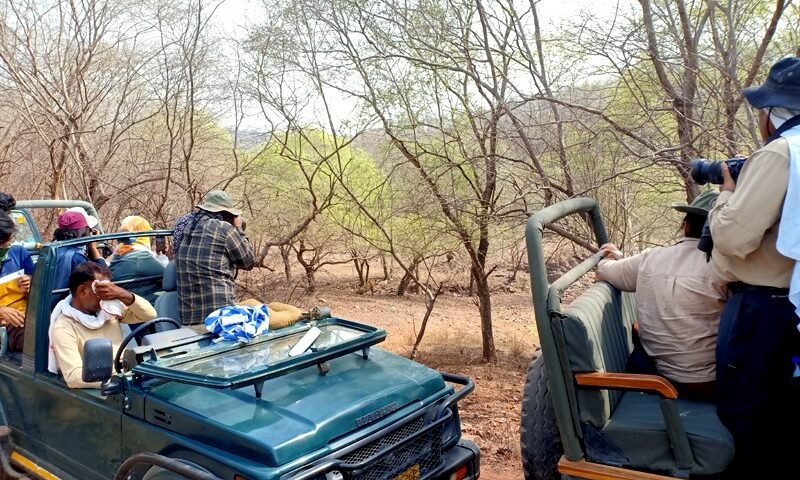
Ranthambore National Park in Rajasthan presents one of the most remarkable wildlife landscapes in the world, where royal heritage meets raw nature. Dense deciduous forests, shimmering water bodies, and rocky hills form an ecosystem that shelters the Royal Bengal Tiger alongside diverse flora and fauna. A seamless wilderness journey requires a blend of comfortable accommodation, historical exploration, and well-planned game drives. Reserving a stay at a luxury resort in Ranthambore places travelers within minutes of the forest gates, ensuring restful nights and timely departures for dawn safaris.
The Majestic Ranthambore Fort Tour
Ranthambore Fort stands atop a 700-foot-high hill inside the park, recognized globally as a UNESCO World Heritage site under the Hill Forts of Rajasthan. Built during the 10th century by the Chauhan dynasty, this sprawling fortress covers massive stone battlements, ancient stepwells, ornate cenotaphs, and historical temples.
The Trinetra Ganesh Temple located within the fort remains an active pilgrimage site where devotees send wedding invitations and prayer letters from all over India. Ascending the fort allows visitors to gaze directly across the core reserve, offering sweeping aerial panoramas over Padam Talao, Raj Bagh Lake, and the undulating Aravalli and Vindhya ranges. Opting for comprehensive Ranthambore sightseeing tour packages allows visitors to explore the fortress accompanied by knowledgeable local guides who share tales of historic battles and architectural ingenuity.
Understanding the Safari Zones
Ranthambore National Park is divided into 10 regulated ecotourism zones to protect wildlife corridors and distribute safari vehicles evenly. Every sector features unique terrain, water reservoirs, and animal tracking possibilities.
- Core Zones 1 to 5: These classic zones contain legendary lake systems, heritage ruins, and high tiger density. Zone 1 introduces travelers through Singh Dwar, Zone 2 features perennial watering holes around Jogi Mahal, Zone 3 centers around Padam Talao and ancient stone pavilions, Zone 4 boasts Malik Talao, and Zone 5 covers the forested ridges of Kachida Valley.
- Outer Zones 6 to 10: Added to expand the protected range, these zones showcase rocky plateaus, steep ravines, and open scrublands. Zone 6 (Kundal) offers dramatic cliff faces and grassland birds, while Zones 7 and 8 (Chidikho and Balas) provide tranquil woodland tracks with minimal visitor traffic. Zones 9 and 10 extend into rugged riverine habitats where caracals, sloth bears, and migratory birds thrive.
Choosing Between Gypsy and Canter Safaris
Forest department regulations permit two vehicle formats inside each zone: the 6-seater open-top Maruti Gypsy and the 20-seater Canter. Gypsies deliver an intimate, low-profile ride with swift mobility on tight forest bends, making them the preferred choice for wildlife photographers. Canters provide elevated vantage points that allow passengers to look clearly over tall grasslands and dense undergrowth.
Both vehicle categories are accompanied by certified naturalists and licensed drivers who follow strict wilderness protocols. Visitors should check the current Ranthambore safari tariff well in advance of their journey, as seasonal operational rates, vehicle permit quotas, and guide charges vary between Indian nationals and international visitors.
Best Season and Safari Etiquette
The reserve welcomes visitors from October through June, while core zones remain closed during the monsoon months from July to September. The winter months from November to February deliver pleasant daytime temperatures and excellent conditions for birdwatching. The hotter months from March to June thin out the foliage and draw predators toward remaining waterholes, resulting in frequent wildlife sightings.
Maximizing your safari experience depends on disciplined wildlife observation. Wear muted clothing in shades of khaki, olive, or beige to blend into the forest backdrop. Maintain silence throughout the drive to avoid disturbing wildlife, and always adhere to instructions issued by your park naturalist. Proper advance planning guarantees a rewarding balance of heritage discovery, conservation insights, and memorable tiger encounters.