

Ranthambore Monsoon Safaris: What’s Open & Best?

Is 2 Days Enough in Ahmedabad? The Best Short Trip Itinerary
July 25, 2026
Top Tips for Finding a Royal Palace Wedding Venue in Rajasthan
July 27, 2026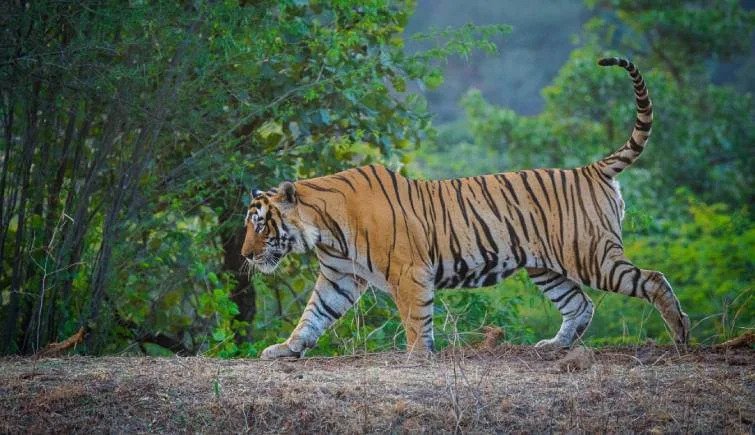
When the first monsoonal showers arrive across the rugged Aravalli and Vindhya ranges between July and September, a common myth circulates among travelers: that Ranthambore National Park completely shuts its gates to visitors. In reality, while core zones 1 through 5 close to facilitate breeding and allow dirt tracks to recover from heavy downpours, the park remains vibrant and partially accessible. Zones 6 through 10 stay open throughout the rainy months, transforming the usually dry, deciduous terrain into a lush, emerald-green jungle dotted with roaring waterfalls, overflowing streams, and active wildlife.
Navigating a monsoon safari requires a clear understanding of which zones are accessible, how wildlife patterns shift in the rain, and how to plan your stay for the best wilderness experience. Here is an authentic insider breakdown of what to expect during the monsoon season at Ranthambore National Park.
Understanding Ranthambore Monsoon Safari Zones (Zones 6 to 10)
The Forest Department keeps buffer zones 6, 7, 8, 9, and 10 operational throughout the monsoon season. These outer zones offer distinct topographies and unique advantages for naturalists and wildlife enthusiasts.
Zone 6 (Kundal)
Zone 6 shares a contiguous boundary with core Zone 1, featuring dramatic hilly backdrops and open grasslands. Because of its terrain and multiple perennial water sources, big cat territories frequently overlap here. During the rainy months, tigers like T-39 (Noor) and her lineage are often tracked along the upper ridges and Kala Pani area. It is also one of the finest zones for birdwatching, where endangered Red-headed Vultures and Indian Gazelles thrive in the greenery.
Zones 7 (Charanpura) & 8 (Balas)
Zones 7 and 8 boast high hilltops, rocky outcrops, and steep ravine systems. Tigers naturally prefer these elevated areas during heavy downpours to avoid muddy lowlands and floodwaters. These zones offer incredible panoramic views of the mist-wrapped forest canopy, along with regular sightings of caracals, leopards, and sloth bears foraging near fruiting trees.
Zone 9 (Quawalji) & Zone 10 (Antri)
Zone 9 is located along the banks of the Chakal River, roughly 45 minutes from the main gate. Rain turns this zone into a wild, riverine wonderland where tigers are occasionally spotted cooling off along stream beds. Zone 10 features quiet, secluded tracks surrounded by hilly terrain and dense Dhonk forest. It provides a tranquil forest atmosphere free from seasonal tourist crowds, making it ideal for birdwatchers and nature photographers.
Why Visit Ranthambore During the Monsoon?
While high summer remains popular for tracking tigers at dried waterholes, the monsoon offers distinct advantages that appeal to seasoned naturalists and relaxed vacationers alike.
- Lush, Photogenic Landscapes: Dhonk trees sprout vibrant green leaves within days of the first rain shower, replacing dusty brown trails with dramatic foliage.
- Thriving Wildlife and Avian Life: Waterholes overflow, drawing herds of spotted deer (chital), sambar deer, wild boars, and migratory bird species out into open clearings.
- Fewer Tourist Crowds: Monsoon months see significantly lower vehicle traffic on safari tracks, allowing for intimate, unhurried wildlife observations.
- Off-Season Value: Premium accommodation providers drop room rates during monsoon months, making it the ideal season to stay at a luxury resort in Ranthambore at competitive rates.
What to Expect on a Monsoon Safari Drive
A monsoon jungle safari in Ranthambore is conducted twice daily in open-top 6-seater Gypsies and 20-seater Canters, adhering to strict seasonal timings managed by the forest authorities. Morning safaris generally start around 06:00 AM, while afternoon drives depart near 03:00 PM, depending on daylight and rain conditions.
Because sudden downpours can turn forest tracks slippery, experienced drivers navigate carefully along designated gravel trails. Watching a majestic Royal Bengal Tiger tread quietly through misty, rain-soaked grass or resting near an ancient stone ruin is an unforgettable sight unique to this time of year.
Practical Tips for Your Monsoon Safari Trip
Planning ahead ensures your rainy-season wildlife expedition remains safe, comfortable, and memorable.
- Pack Rain Protection: Bring lightweight quick-dry clothing, water-resistant footwear, ponchos, and waterproof dry bags to safeguard camera gear and optics from sudden downpours.
- Book Vehicles Early: Gypsies offer better maneuverability on muddy tracks than larger vehicles during the rainy season, so reserve your safari slot early.
- Explore Cultural Heritage: Combine your game drives with visits to the 10th-century Ranthambore Fort, Amreshwar Mahadev Temple, or seasonal monsoon waterfalls surrounding Sawai Madhopur.
- Choose All-Inclusive Packages: Booking an end-to-end Ranthambore tour package ensures seamless vehicle pickups, forest permits, guided jungle safaris, and comfortable resort stays without last-minute hassle.
Ranthambore during the monsoon proves that the wilderness never truly closes. For travelers seeking peaceful landscapes, dramatic weather, rich birdlife, and thrilling predator tracks across green forest trails, a monsoon expedition to Zones 6 through 10 is one of Rajasthan’s finest kept secrets.