
Top 5 Must-Visit Attractions in Abu Road Today

How to Find the Best Kumbhalgarh Destination Wedding Spot
September 28, 2026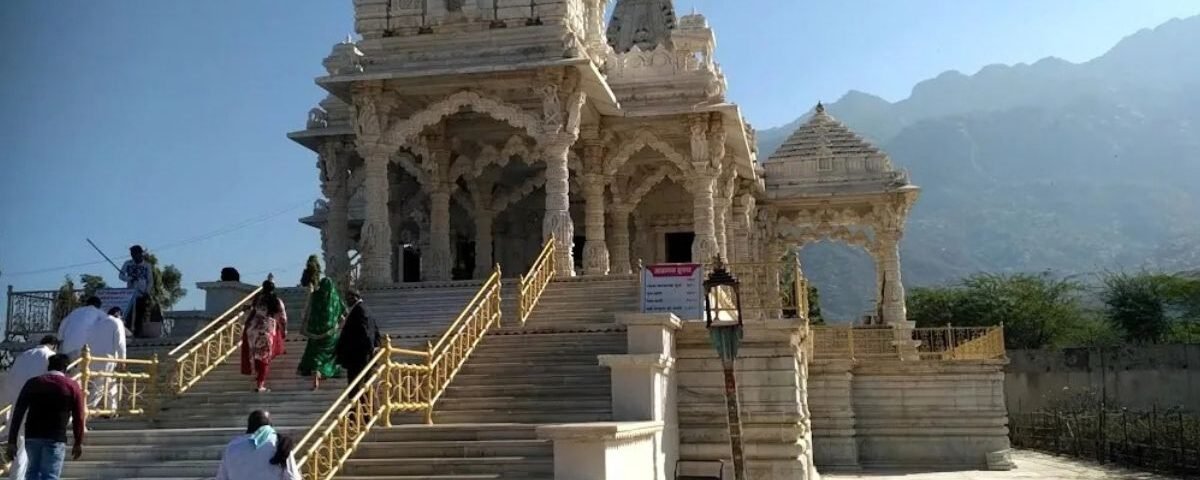
Nestled at the base of the ancient Aravalli range in southern Rajasthan, Abu Road serves as far more than just a transit junction for travelers heading upward. The region boasts rich spiritual heritage, archaeological intrigue, and dramatic mountain landscapes that reward anyone who takes the time to explore the valley floor and foothills. Finding comfortable accommodation in this green corridor transforms a simple commute into a restorative getaway. For travelers seeking serenity combined with thoughtful hospitality, settling into a luxury resort in Abu Road sets the stage for discovering the area at an unhurried, authentic pace.
Whether you are arriving by train or taking the highway route along NH 27, here are the top five must-visit attractions in and around Abu Road today.
1. Chandravati Archaeological Site
Situated just south of the main township on the banks of the Banas River, Chandravati presents a fascinating journey into the medieval history of western India. Once the flourishing capital of the Parmaras of Abu between the 10th and 13th centuries, this extensive excavation ground reveals fortified citadel foundations, stone water tanks, and ruined temple plinths.
Archaeological excavations conducted by state institutes have brought to light intricately sculpted pillars, terracotta artifacts, and centuries-old architectural fragments that demonstrate the town’s prominence along historic trade routes. Walking through the remains in the early morning offers a quiet perspective on the passage of time without the tourist crowds typical of hill station sights. A visit here is best combined with a quick stop at the local interpretation exhibits to appreciate how royal artisans chiseled narratives into native stone long before the region’s current landmarks took shape.
2. Bhadrakali Temple
Regarded as one of the most revered local shrines in the taluk, the Bhadrakali Temple is steeped in regional folklore and devotion. Tucked along a peaceful stretch near the outskirts of town, the complex attracts pilgrims seeking blessings for strength and protection.
The temple atmosphere features traditional Rajasthani stone architecture surrounded by mature neem and banyan trees. Mornings here begin with resonant bells and rhythmic devotional chants that echo against the nearby granite hills. Visiting during early hours allows you to experience customary rural pujas, observe local worship traditions, and enjoy meditative stillness away from transit traffic. The temple also serves as an important cultural meeting point during Navratri celebrations, when vibrant community fairs fill the courtyards with traditional attire and folk hymns.
3. Rishikesh Temple and River Valley
Located in a scenic ravine near the village of Umarni, the ancient Rishikesh Temple honors Lord Vishnu and dates back several centuries. The sanctuary is reached by passing through quiet agrarian hamlets where mustard fields and mango orchards carpet the riverbed.
What makes Rishikesh Temple distinctly appealing is its natural environment. Shielded by sheer granite formations and cooled by seasonal mountain springs, the site retains a cool microclimate even during warmer afternoons. The stone complex features traditional domes, pillared sabhamandapas, and step-wells that served wandering ascetics for generations. Naturalists and birdwatchers frequently spot kingfishers, grey hornbills, and peacocks flitting among the hillside foliage. It represents the quiet side of south Rajasthan, making it an ideal choice for reflective afternoon walks.
4. Ambaji Temple & Gabbar Hill
While the border between Rajasthan and Gujarat lies just minutes away, no visit to the Abu Road valley is complete without a pilgrimage to Ambaji. Situated roughly twenty kilometers from town, this holy site is recognized as one of the major Shakti Peethas, honoring the goddess Amba.
The main temple complex, constructed from pristine white marble with a gilded pinnacle, does not house a traditional stone idol. Instead, devotees worship the sacred Viso Yantra, an ancient geometric brass plate consecrated with Vedic rites. A short drive further brings you to Gabbar Hill, where myth marks the original seat of the deity. Visitors can climb the stone stairway or take the modern ropeway to reach the summit, which yields sweeping vistas of the rugged dry-deciduous forests and boulder fields that define the lower ranges.
5. Balaram Ambaji Wildlife Sanctuary Foothills
Stretching along the border zone near Abu Road, the Balaram Ambaji Wildlife Sanctuary spans a rugged ecological transition between the arid plains and forested hill slopes. While core trails require careful planning, the periphery near Abu Road offers accessible access points for nature lovers.
The sanctuary forms a vital bio-corridor for leopards, sloth bears, striped hyenas, and four-horned antelopes. Taking an early drive along the outer rural roads reveals thickets of dhak, salai, and bamboo that burst with seasonal wildflowers after monsoon showers. Local guides can steer visitors toward quiet watering points and designated watch areas where migratory birds congregate during winter months. It provides an uncommercialized wildlife experience that complements the cultural shrines of the valley.
Plan Your Itinerary with Achal Bagh
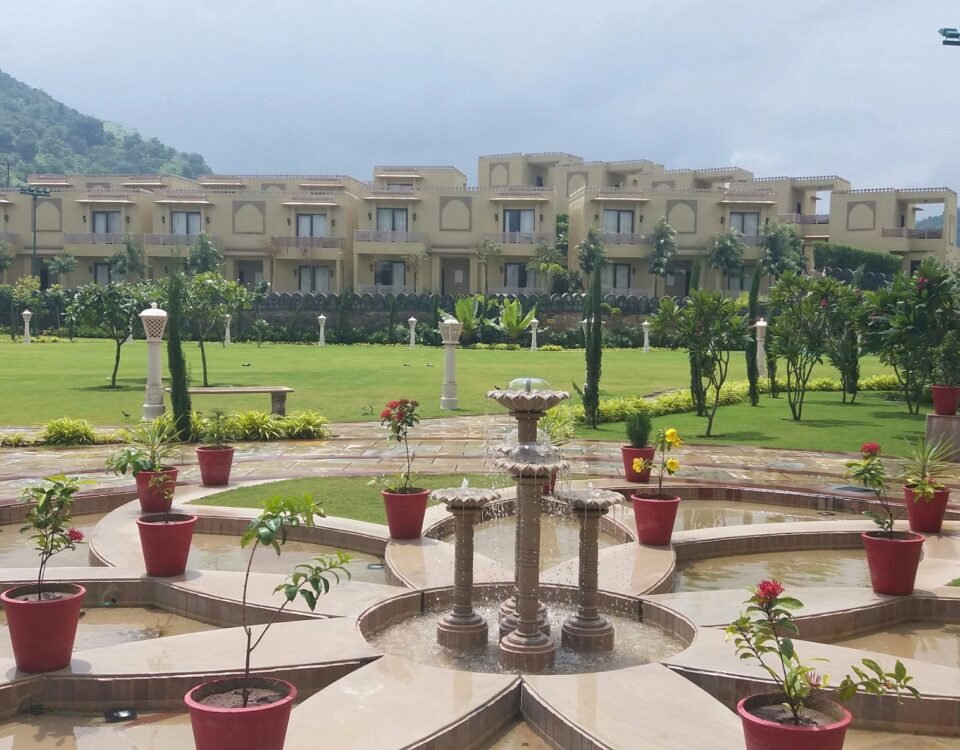
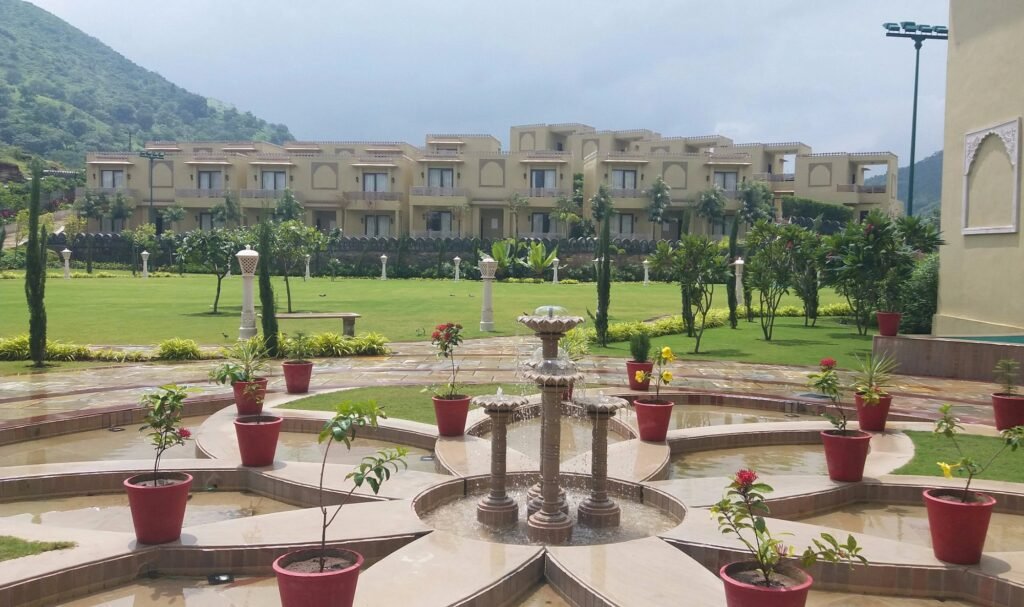
Exploring these diverse sights requires a peaceful base where you can recharge after days spent under the desert sun. Achal Bagh offers travelers an intimate garden retreat situated conveniently along the highway, pairing manicured outdoor lawns with modern in-room comforts. Opting for a boutique stay in Abu Road ensures you remain seamlessly connected to local heritage trails, sacred temples, and highland routes while enjoying genuine Rajasthani hospitality.