

Why Wildlife Lovers Flock to Ranthambore Every Year

From Victim to Survivor: The Rahab Center Mission
May 14, 2026
Summer in Udaipur: An Exact 2-Day Travel Plan Layout
May 16, 2026Why Wildlife Lovers Flock to Ranthambore Every Year
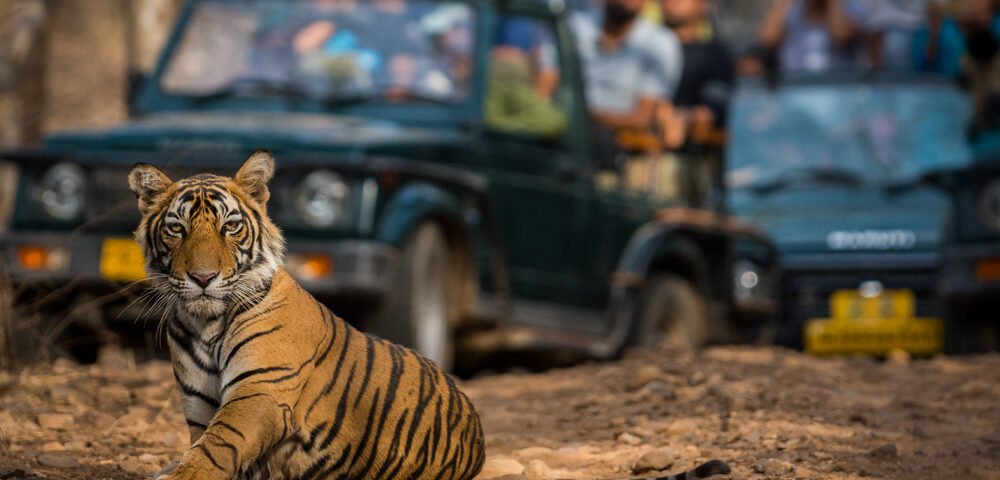
Showstopper A tiger cub at Ranthambore Tiger Reserve, India
The call of the wild is often a low, guttural growl that echoes through the dry deciduous forests of Rajasthan. For those who seek the thrill of the jungle, finding the perfect resort in ranthambore is the first step toward an unforgettable adventure. Ranthambore National Park isn’t just a wildlife sanctuary; it is a historic landscape where ancient ruins meet the raw power of nature. Every year, thousands of photographers, conservationists, and families travel to this iconic destination to catch a glimpse of the majestic Royal Bengal Tiger in its natural habitat. The allure lies in the park’s unique topography, where the Aravali and Vindhya mountain ranges meet, creating a dramatic backdrop for some of the world’s best wildlife sightings.
The Majestic Royal Bengal Tiger
The primary reason for the influx of visitors is, without a doubt, the tiger. Unlike many other dense jungles in India, Ranthambore’s dry forest floor and open grassy meadows make it significantly easier to spot these elusive predators. The tigers here are legendary, often having names and documented lineages that trackers and guides know by heart. Observing a tiger lounging near a watering hole or patrolling its territory provides an adrenaline rush that few other experiences can match. The conservation efforts in the region have ensured a healthy population, making it a global hotspot for tiger sightings.
Navigating the Ranthambore Safari Zone
To truly understand the park’s diversity, one must explore the specific Ranthambore safari zone allocated for their visit. The park is divided into several zones to manage tourist flow and protect the ecosystem. Each zone offers a distinct landscape, from the steep hills and deep gorges of the core areas to the sprawling lakesides where crocodiles bask in the sun. Some zones are famous for their water bodies like Padam Talao and Raj Bagh, which attract a variety of prey, thereby increasing the chances of a predator sighting. Navigating these zones with an experienced naturalist allows visitors to appreciate the intricate balance of the jungle, from the alarm calls of the langur to the strategic movements of the leopards that also call this park home.
A Confluence of History and Nature
What sets this destination apart from other wildlife reserves is the presence of the Ranthambore Fort. A UNESCO World Heritage site, the fort stands tall atop a hill, overlooking the entire park. Seeing a tiger roam past a 10th-century temple or a crumbling stone gateway adds a layer of mysticism to the safari. The history of the Chauhan dynasty and the subsequent Mughal influences are etched into the stone walls that have now been reclaimed by the forest. For many, the sight of a tigress and her cubs playing in the shadow of a centuries-old structure is the ultimate embodiment of “wild India.”
Convenience for Travelers from the Pink City
The accessibility of the park adds to its popularity, especially for those looking to combine heritage with wildlife. Many travelers opt for a jaipur to ranthambore tour to experience the best of Rajasthan in a single trip. The journey from Jaipur is relatively short and scenic, making it a favorite weekend getaway for locals and a convenient extension for international tourists. This ease of access ensures that even those with a tight schedule can immerse themselves in the wilderness without the stress of extensive travel logistics.
Biodiversity Beyond the Big Cats
While the tiger is the undisputed star, the park is a treasure trove for birdwatchers and nature enthusiasts. Over 300 species of birds, including the Crested Serpent Eagle, Painted Stork, and various kingfishers, inhabit the trees and wetlands. The park is also home to sloth bears, striped hyenas, sambar deer, and chital. The flora is equally fascinating, dominated by the Dhok tree (Anogeissus pendula), which changes color with the seasons—turning from a lush green in the monsoon to a copper-red in the winter and a ghostly grey in the peak of summer.
The Experience of the Jungle
Staying at a dedicated wildlife resort enhances the overall experience by providing an atmosphere that mirrors the serenity of the woods. The sound of the night jar at dusk, the smell of the parched earth after the first rain, and the camaraderie around a campfire after a successful safari are what create lasting memories. Wildlife lovers flock here not just to “see” animals, but to disconnect from the digital world and reconnect with the primal rhythms of the earth. The expertise of local guides, many of whom have lived near the forest for generations, adds a layer of depth to every safari, as they share stories of the jungle that you won’t find in any textbook.
Best Time to Visit and Sustainability
The park follows a seasonal cycle, opening in October and closing in June. The winter months offer pleasant weather and beautiful light for photography, while the hotter months of April to June are considered the best for tiger sightings as animals frequently visit the remaining water holes. Choosing a resort that prioritizes eco-friendly practices and supports local communities is vital for the long-term preservation of Ranthambore. Sustainable tourism ensures that future generations can continue to witness the raw beauty of the Rajasthan wilderness. This commitment to conservation, combined with the sheer thrill of the hunt (with a camera lens), is why Ranthambore remains a top-tier destination for every nature lover’s bucket list.