
Guide to the Best Tourist Spots in Jodhpur, India

Corporate Events Made Easy: Choosing the Ideal Venue
April 17, 2026
Experience the Timeless Charm of Rajasthan’s Desert Trails
April 17, 2026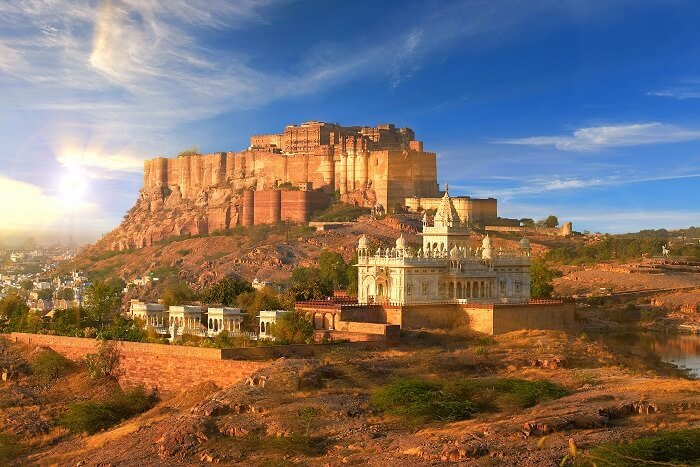
Jodhpur, the legendary “Blue City” of India, stands as a testament to the architectural brilliance and cultural richness of the Thar Desert. Planning a journey through these sun-drenched streets requires the insight of a seasoned tour operator in rajasthan to truly capture the essence of Marwar. From the towering heights of Mehrangarh Fort to the tranquil depths of Toorji Ka Jhalra, Jodhpur offers a sensory experience that blends historical grandeur with modern Rajasthani hospitality. Whether you are navigating the bustling spice markets or seeking the quietude of royal cenotaphs, the city reveals its secrets to those who look beyond the sapphire-painted walls.
The Architectural Marvel of Mehrangarh Fort
No exploration of Jodhpur is complete without ascending the rugged cliffside to reach Mehrangarh Fort. One of the largest and best-preserved fortifications in India, it provides a panoramic view of the city’s iconic blue houses. Inside, the intricate carvings of Moti Mahal, Phool Mahal, and Sheesh Mahal showcase the artistic mastery of the Rathore dynasty. The fort’s museum houses an impressive collection of palanquins, royal cradles, and armor, offering a deep dive into the martial history of the region. Walking through the seven massive gates, each bearing the marks of historic battles, allows visitors to feel the tangible weight of centuries past.
Exploring the Grandeur of Umaid Bhawan Palace
While the forts represent the city’s ancient roots, Umaid Bhawan Palace signifies its modern royal heritage. Completed in 1943, it is one of the world’s last great palaces and currently serves as a luxury hotel, a museum, and the residence of the former royal family. The golden-hued Chittar sandstone structure is a masterpiece of Art Deco and Indo-Saracenic styles. For those who wish to experience the city with a touch of opulence, embarking on a Rajasthan Luxury Rajasthan Tour is the definitive way to appreciate such monuments. The museum section features vintage clocks, royal portraits, and a stunning collection of classic cars parked in the palace gardens.
Tranquility at Jaswant Thada
Located a short walk from the fort, Jaswant Thada is often referred to as the “Taj Mahal of Marwar.” This milky-white marble cenotaph was built in memory of Maharaja Jaswant Singh II. The stone is so finely carved and polished that it glows when sunlight hits its surface. Surrounded by tiered gardens and a small lake, it offers a peaceful respite from the city’s lively energy. The site is an ideal spot for photography, as the white marble creates a sharp, beautiful contrast against the deep blue sky and the rugged brown terrain of the surrounding hills.
The Vibrancy of Clock Tower and Sardar Market
To witness the pulse of Jodhpur, one must head to the Ghanta Ghar, or Clock Tower. This central landmark is surrounded by the Sardar Market, a labyrinth of narrow lanes filled with local crafts, textiles, and spices. Here, the air is thick with the scent of dried chilies and handmade incense. Local artisans sell everything from hand-stitched leather mojris to vibrant bandhani fabrics. It is a place where traditional commerce thrives, and negotiating with friendly local vendors becomes part of the travel experience. Sampling the famous Mirchi Bada or Mawa Kachori from nearby street stalls is an essential culinary rite of passage for any visitor.
A Journey Through Mandore Gardens
Before Jodhpur became the capital of Marwar, Mandore served as the seat of power. Today, the Mandore Gardens house the “Dewals” or cenotaphs of Jodhpur’s former rulers. Unlike the usual umbrella-shaped chhatris, these are built like traditional Hindu temples with intricate spires and detailed stone carvings. The lush greenery and the presence of playful langurs make it a unique spot for a leisurely afternoon. The Hall of Heroes, featuring sixteen colossal figures carved out of a single rock, provides a mythological and historical backdrop to the site’s natural beauty.
The Stepwell Sophistication of Toorji Ka Jhalra
In a desert city, water management was both a necessity and an art form. Toorji Ka Jhalra, an 18th-century stepwell, was recently restored to its former glory. The geometric precision of the stairs descending into the cool water is a marvel of ancient engineering. Located in the heart of the old city, it has become a popular gathering spot for both locals and travelers. The surrounding area has transformed into a trendy district featuring chic cafes and boutiques that respect the heritage of the sandstone architecture while providing contemporary comforts.
Efficient City Exploration
Jodhpur’s geography can be complex, with its winding alleys and steep inclines. To see the major highlights without the stress of navigation, many travelers opt for a structured jodhpur full day tour. This ensures that you cover the historical landmarks, the cultural hubs, and the hidden corners of the old city within a single, well-paced day. Beyond the standard tourist trail, these excursions often include visits to the Rao Jodha Desert Rock Park, an ecologically restored area that showcases the volcanic rock formations and native flora of the Thar Desert.
The Cultural Soul of the Blue City
The blue color of the houses, originally intended to denote the residences of Brahmins and to keep the interiors cool, has become the city’s global identity. Walking through the Brahmapuri area provides an intimate look at local life, where children play in the narrow lanes and elders sit on sandstone porches sharing stories. This living heritage is what makes Jodhpur more than just a collection of monuments; it is a community that has preserved its traditions for generations. The folk music of the Langa and Manganiyar communities often echoes through the fort walls during festivals, adding a melodic layer to the city’s rugged charm.
Planning Your Visit
The best time to explore Jodhpur is between October and March when the weather is pleasant for outdoor sightseeing. Rajasthan Yatra specializes in crafting itineraries that respect the local culture while ensuring maximum comfort. When visiting religious sites or royal monuments, it is important to dress modestly and follow local customs. By engaging with local guides and choosing sustainable travel options, you contribute to the preservation of Jodhpur’s unique legacy. Whether you are a history buff, a culinary enthusiast, or a photography lover, the Blue City promises an unforgettable journey into the heart of Rajasthan’s royal heritage.